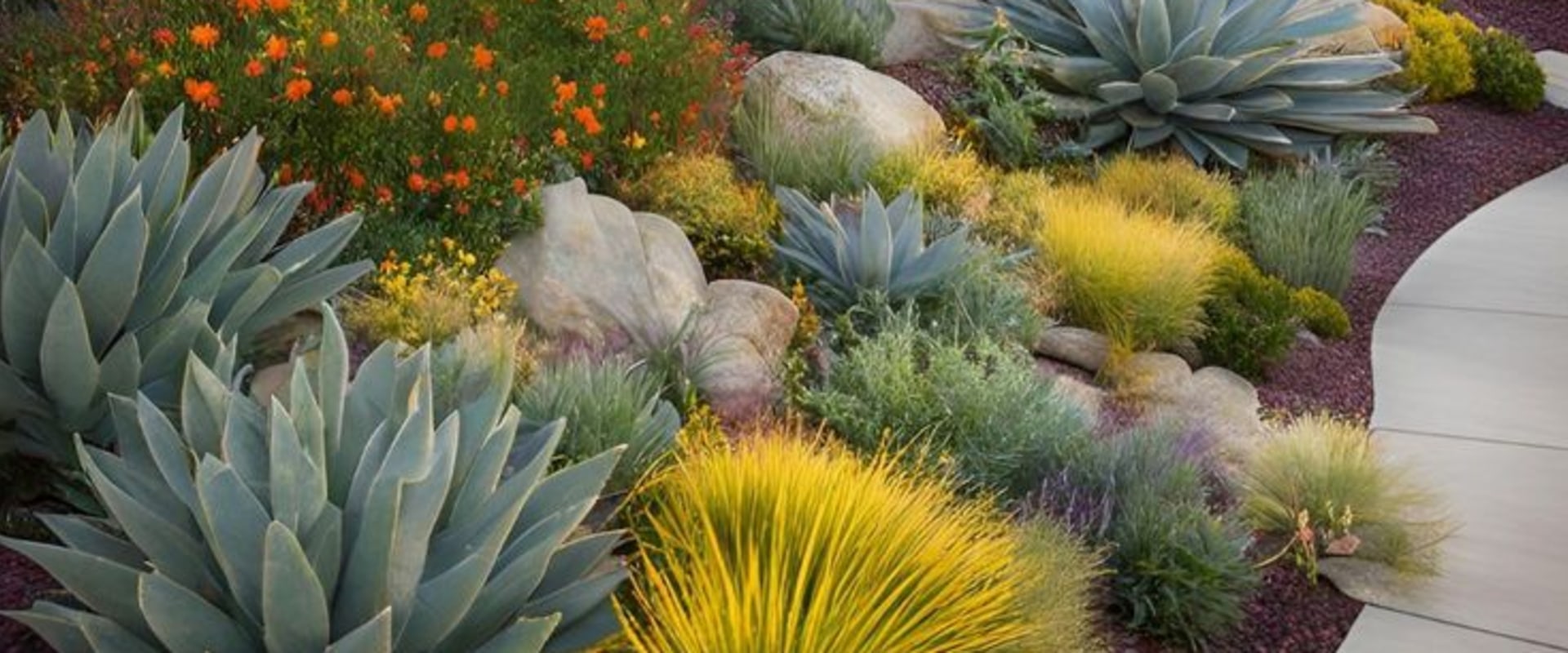
As climate change continues to impact our environment, the need for drought-resistant gardening has never been more critical. This innovative approach to garden and landscaping not only conserves water but also promotes sustainable practices that can help mitigate the effects of prolonged dry spells. By understanding the principles of drought-resistant gardening, you can create a vibrant outdoor space that thrives even in challenging conditions. Drought-resistant gardening focuses on selecting plants that require minimal water while still providing beauty and functionality to your landscape. This method encourages the use of native species, which are naturally adapted to local climates and soil conditions, making them more resilient to drought.
Additionally, incorporating techniques such as mulching, efficient irrigation systems, and soil improvement can significantly enhance your garden's ability to retain moisture. Moreover, embracing sustainable landscaping practices not only benefits your garden but also contributes positively to the ecosystem. By designing a garden that prioritises water conservation, you are taking an active role in protecting our precious natural resources. In the following sections, we will explore practical tips and strategies for creating a drought-resistant garden that is both beautiful and environmentally friendly.
Assessing Your Garden's Conditions
Creating a drought-resistant garden begins with a thorough understanding of your garden's specific conditions. This assessment is crucial for selecting the right plants and landscaping techniques that will thrive in your environment.Evaluating Soil Type
The first step in assessing your garden's conditions is to evaluate the soil type.Different soil types have varying capacities for retaining moisture, which directly impacts plant health. Here are some common soil types:
- Sandy Soil: Drains quickly but does not retain moisture well. Ideal for drought-tolerant plants that prefer drier conditions.
- Clay Soil: Retains moisture but can become compacted, making it difficult for roots to grow. Consider amending with organic matter to improve drainage.
- Silty Soil: Holds moisture better than sandy soil and is often fertile, making it suitable for a variety of plants.
- Loamy Soil: A balanced mix of sand, silt, and clay, loamy soil retains moisture while providing good drainage, making it ideal for most garden plants.
Understanding Climate Considerations
Your local climate plays a significant role in determining which plants will thrive in your garden.Factors such as temperature, rainfall patterns, and sunlight exposure should be taken into account:
- Temperature: Know your hardiness zone to select plants that can withstand local temperature extremes.
- Rainfall Patterns: Observe seasonal rainfall trends. If you live in an area with long dry spells, choose plants that are adapted to low water availability.
- Sunlight Exposure: Assess how much sunlight different areas of your garden receive throughout the day. Some drought-resistant plants prefer full sun, while others thrive in partial shade.
Choosing the Right Plants for Drought Resistance
Creating a drought-resistant garden begins with choosing the right plants. Selecting species that thrive in low-water conditions not only conserves water but also promotes a sustainable ecosystem.Here are some key considerations when selecting plants for your garden:
- Drought-Resistant Plants: These plants have adapted to survive with minimal water. Examples include lavender, sedum, and agave. Their unique adaptations, such as thick leaves or deep root systems, allow them to store moisture effectively.
- Xeriscaping: This landscaping method focuses on using drought-tolerant plants and efficient irrigation techniques. Incorporating xeriscaping principles can significantly reduce water usage while maintaining a vibrant garden.
Consider using gravel or mulch to retain soil moisture and reduce evaporation.
- Native Plants: Opting for native species is one of the best strategies for a drought-resistant garden. Native plants are already adapted to the local climate and soil conditions, making them more resilient to dry spells. For instance, in the UK, plants like heather, foxglove, and wild thyme are excellent choices.
This practice not only optimises watering efficiency but also enhances the overall aesthetic of your garden. Remember, a well-planned drought-resistant garden can be both stunning and sustainable.
Soil Preparation and Water Management Techniques
Creating a drought-resistant garden begins with proper soil preparation. Healthy soil is crucial for retaining moisture and providing nutrients to plants. Start by testing your soil to determine its pH and nutrient levels.This will help you understand what amendments are necessary. Incorporate organic matter, such as well-rotted compost or aged manure, to improve soil structure and enhance its ability to hold water.Next, consider the texture of your soil. Sandy soils drain quickly but do not retain moisture well, while clay soils can become compacted and waterlogged. To improve sandy soils, add organic matter and mulch to increase moisture retention.
For clay soils, incorporate gypsum to break up compacted areas and improve drainage.
Water Management Techniques
Effective water management is essential for a drought-resistant garden. One of the most efficient methods is drip irrigation, which delivers water directly to the plant roots, minimising evaporation and runoff. This system can be easily set up with a timer to ensure consistent watering without over-saturating the soil.Mulching
is another vital technique for conserving moisture. A layer of organic mulch, such as wood chips or straw, helps to insulate the soil, reducing evaporation rates and suppressing weed growth.Aim for a mulch layer of about 5-10 cm around your plants, ensuring it does not touch the stems to prevent rot.Additionally, consider implementing rainwater harvesting systems to collect and store rainwater for irrigation purposes. This not only conserves water but also reduces reliance on municipal supplies.By focusing on soil preparation and employing effective water management techniques, you can create a thriving garden that withstands dry conditions while promoting sustainability.
Designing Your Drought-Resistant Garden Layout
Creating a drought-resistant garden begins with a thoughtful garden layout that prioritises water efficiency and plant health. The key to successful landscaping design lies in understanding the specific needs of your plants and how they interact with their environment.1.Zoning Your Garden
- Divide your garden into zones based on sunlight exposure, soil type, and moisture levels. This allows you to group plants with similar needs together, maximising their health and minimising water waste.
- Consider placing drought-tolerant plants in the sunniest areas, while reserving shadier spots for those that require more moisture.
2.Plant Placement
- Utilise companion planting techniques by placing plants that benefit each other in close proximity.
For example, pairing deep-rooted plants with shallow-rooted ones can help improve soil moisture retention.
- Incorporate perennials and native species that are naturally adapted to your local climate. These plants typically require less water and maintenance, making them ideal for a drought-resistant garden.
3.Incorporating Hardscaping
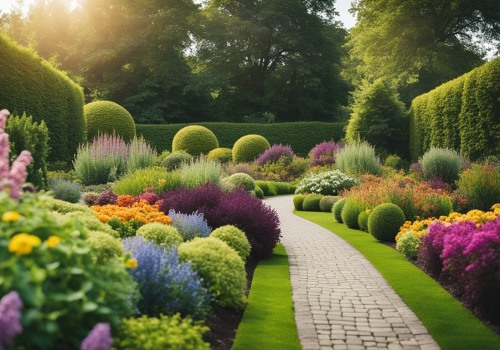
- Integrate hardscaping elements such as gravel paths, stone walls, or patios to reduce the area of grass and high-water-use plants. This not only conserves water but also adds visual interest to your landscape.
- Use permeable materials for walkways to allow rainwater to seep into the ground, replenishing the soil moisture.
4.Mulching and Soil Management
- Apply a thick layer of organic mulch around your plants to retain soil moisture and suppress weeds. This is particularly effective in reducing evaporation during hot weather.
- Improve soil structure by incorporating compost or organic matter, which enhances its ability to retain moisture.
Remember, the goal is not just to survive droughts but to create a vibrant ecosystem that supports diverse plant life while conserving precious water resources.
Maintenance Tips for a Drought-Resistant Garden
Maintaining a drought-resistant garden requires a thoughtful approach to ensure that your plants thrive even in the driest conditions. Here are some essential maintenance tips to keep your garden healthy throughout the seasons.Regular Monitoring
Keep a close eye on your plants, especially during dry spells. Look for signs of stress such as wilting or discolouration. Early detection allows for timely intervention, whether it’s adjusting watering schedules or providing shade.Watering Wisely
Even drought-resistant plants need water, particularly when establishing their roots.Water deeply but infrequently to encourage deep root growth. Aim to water early in the morning or late in the evening to minimise evaporation.
Mulching
Applying a layer of organic mulch around your plants can significantly reduce moisture loss from the soil. Mulch also suppresses weeds, which compete for water and nutrients. Use materials like wood chips, straw, or shredded leaves to create an effective barrier.Seasonal Adjustments
- Spring: As temperatures rise, check for any winter damage and prune dead or damaged branches.
This is also a good time to refresh your mulch layer.
- Summer: Monitor soil moisture levels closely. Consider using drip irrigation systems to deliver water directly to the roots without waste.
- Autumn: Prepare your garden for winter by cutting back perennials and adding compost to enrich the soil for the next growing season.
- Winter: Protect sensitive plants from frost by covering them with burlap or frost cloth. Ensure that any evergreen plants are adequately watered before the ground freezes.
Common Challenges and Solutions in Drought-Resistant Gardening
Creating a drought-resistant garden can present several challenges, but understanding these issues and implementing effective solutions can lead to a thriving landscape.Below are some common challenges faced by gardeners and practical solutions to overcome them.
Drought Gardening Challenges
- Water Management: One of the primary challenges is managing water efficiently. During dry spells, plants may not receive adequate moisture, leading to stress and poor growth.
- Pest Control: Drought conditions can alter pest behaviour, making some insects more prevalent while others may become less of a problem. This shift can catch gardeners off guard.
- Plant Diseases: Stress from lack of water can make plants more susceptible to diseases, particularly fungal infections that thrive in dry conditions.
Solutions to Overcome Challenges
- Implement Efficient Watering Techniques: Use drip irrigation systems or soaker hoses to deliver water directly to the roots, minimising evaporation and ensuring that plants receive moisture where they need it most.
- Choose Native and Drought-Resistant Plants: Selecting plants that are naturally adapted to your local climate can significantly reduce water needs. Native species often require less maintenance and are more resilient against local pests and diseases.
- Mulching: Apply a thick layer of organic mulch around plants to retain soil moisture, suppress weeds, and regulate soil temperature.
This practice can help mitigate the effects of drought.
- Pest Monitoring: Regularly inspect your garden for signs of pest infestations. Early detection allows for timely intervention using organic pest control methods, such as introducing beneficial insects or using insecticidal soaps.
- Disease Prevention: To combat plant diseases, ensure proper spacing between plants for good air circulation and avoid overhead watering. Additionally, consider rotating crops annually to prevent soil-borne diseases.
Conclusion: Embracing Sustainable Gardening Practices
In conclusion, creating a drought-resistant garden is not just a trend but a necessity in the face of changing climate conditions. By adopting sustainable gardening practices, you can significantly enhance the resilience of your garden while contributing positively to the environment. Throughout this article, we have explored various strategies that can be implemented to achieve a thriving garden with minimal water usage.These include:
- Choosing native plants that are well-adapted to local conditions and require less water.
- Implementing efficient irrigation systems, such as drip irrigation, to target water directly to the roots.
- Utilising mulching techniques to retain soil moisture and suppress weeds.
- Incorporating permaculture principles to create a self-sustaining ecosystem within your garden.