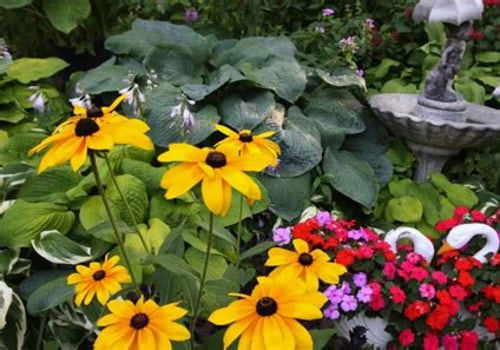
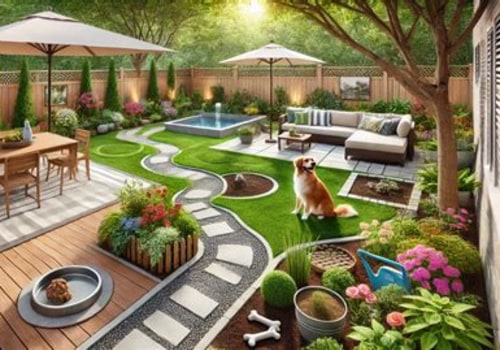
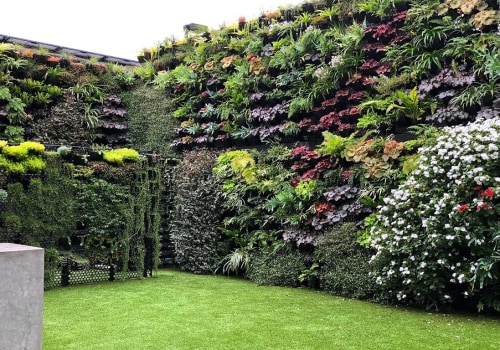
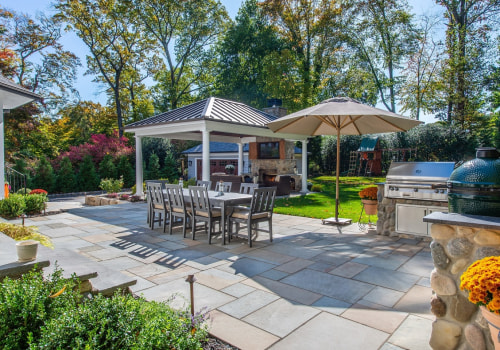
When it comes to garden and landscaping, the concept of texture plays a pivotal role in transforming a flat, uninspiring space into a vibrant and engaging environment. Texture refers to the surface quality of materials and plants, which can be perceived visually and through touch. By incorporating various textures, you can create layers of interest that draw the eye and invite exploration. This is particularly important in garden design, where the interplay of different elements can evoke emotions and set the mood of the space. In landscape design, texture can be achieved through a combination of hardscape materials, such as stone, wood, and metal, alongside softscape elements like plants and flowers.
For instance, the roughness of a stone pathway can contrast beautifully with the delicate leaves of ornamental grasses or the smooth surfaces of polished pebbles. This contrast not only enhances visual appeal but also adds depth to the overall design, making it more dynamic and inviting. Understanding the importance of texture in gardens is essential for any designer or homeowner looking to create a captivating outdoor space. Textured elements can guide movement through a garden, highlight focal points, and even influence how light interacts with different surfaces throughout the day. By thoughtfully selecting and combining various textures, you can craft a landscape that is not only aesthetically pleasing but also rich in sensory experiences, encouraging visitors to engage with the space on multiple levels.
Incorporating Different Plant Textures
When designing a garden or landscape, incorporating different plant textures can significantly enhance the visual appeal and create a more dynamic environment.By selecting plants with varying foliage types, you can achieve a rich tapestry of colours and forms that engage the senses.
Understanding Plant Textures
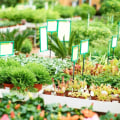
Plant textures can be broadly categorised into four main types:- Smooth: Plants like hostas and ferns offer a sleek, polished look that can soften hard edges in your garden.
- Rough: Textured plants such as lavender and ornamental grasses provide a tactile contrast that adds depth to your landscape.
- Spiky: Incorporating spiky plants like agave or thistles can create striking focal points and add an element of drama.
- Soft: Plants with soft foliage, such as willow or soft succulents, can evoke a sense of calm and tranquility.
Creating Contrast with Plant Combinations
A successful garden design often relies on the contrast between different plant textures. For instance, pairing the smooth leaves of a Japanese maple with the rough, feathery fronds of Pampas grass can create an eye-catching juxtaposition. Similarly, combining spiky plants with soft foliage can lead to a balanced yet intriguing composition.When selecting plants, consider their growth habits and how they will interact with one another over time. Grouping plants with similar textures can create cohesive areas within your garden, while mixing textures can lead to exciting visual surprises.Remember to also take into account seasonal changes; some plants may offer vibrant colours in spring while others provide structure in winter.Ultimately, by thoughtfully incorporating various plant textures into your garden or landscape design, you can create a space that is not only beautiful but also rich in sensory experiences.
Utilising Hardscape Elements for Texture
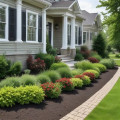
Incorporating hardscape elements into your garden or landscape design is an effective way to introduce texture and depth. These materials, which include stone, wood, and metal, not only serve functional purposes but also enhance the aesthetic appeal of your outdoor space.Stone paths
are a classic choice for adding texture. They can be laid in various patterns, from random flagstones to more structured designs, creating visual interest as well as guiding visitors through the garden. The natural variations in stone colour and texture can complement the surrounding plant life, providing a beautiful contrast to soft foliage.Another way to utilise hardscape is through garden walls.Constructed from materials such as brick, stone, or timber, these walls can serve multiple functions: they can act as privacy screens, retain soil on sloped landscapes, or simply provide a backdrop for planting. The roughness of stone or the smoothness of wood can add a tactile element that invites touch and interaction.Additionally, incorporating metal features, such as trellises or sculptures, can introduce a modern twist to traditional landscaping. The sleek lines of metal contrast beautifully with organic forms found in plants and flowers. Weathered metals can also add a rustic charm that enhances the overall texture of the garden.To maximise the impact of hardscape elements, consider layering different materials.
For instance, combining a stone path with wooden benches or metal planters creates a dynamic interplay of textures that draws the eye and encourages exploration. This thoughtful integration not only enriches the visual experience but also fosters a harmonious relationship between hardscape and softscape.In summary, utilising hardscape elements effectively can significantly enhance the texture of your garden or landscape design. By thoughtfully selecting and combining materials like stone paths, garden walls, and metal features, you can create an inviting outdoor space that is both functional and visually captivating.
Layering Textures with Garden Accessories
Incorporating garden accessories into your landscape design is an effective way to introduce a variety of textures that can elevate the overall aesthetic. These elements not only serve functional purposes but also act as focal points that draw the eye and create interest.Sculptures
are a fantastic way to add a three-dimensional aspect to your garden.Whether you opt for contemporary metal pieces or classic stone figures, sculptures can provide a striking contrast against the natural greenery. Consider placing them in strategic locations where they can be appreciated from different angles, allowing their textures to interact with the surrounding plants.
Decorative pots
are another excellent accessory for texture layering. Choose pots made from various materials such as terracotta, ceramic, or even recycled metal. Each material offers a unique feel; for instance, terracotta provides a rustic charm while glossy ceramic adds a modern touch.Grouping pots of different sizes and shapes can create visual interest and enhance the textural diversity of your garden.
Garden furniture
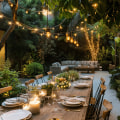
, such as benches or tables, can also contribute significantly to the texture of your outdoor space. Opt for pieces made from natural materials like wood or wicker, which can blend seamlessly with the landscape. Alternatively, metal furniture can introduce a sleek, industrial feel that contrasts beautifully with soft plant textures.To further enhance the textural experience, consider adding soft furnishings like cushions or throws in vibrant colours and varied fabrics. These elements not only provide comfort but also introduce layers of texture that invite relaxation and enjoyment in your garden.In summary, by thoughtfully selecting and arranging decorative elements such as sculptures, pots, and furniture, you can create a rich tapestry of textures that enhances your garden's design.This layering not only adds depth but also encourages exploration and engagement with the space.
Creating Contrast with Colour and Texture
In the realm of garden and landscaping, the interplay between colour and texture is crucial for creating a visually stimulating environment. By thoughtfully combining contrasting elements, you can enhance the overall aesthetic appeal of your outdoor space.Understanding Colour Contrast
Colour contrast in gardens can be achieved through the selection of plants, flowers, and hardscaping materials. For instance, pairing vibrant blooms with lush green foliage not only highlights the flowers but also adds depth to the landscape. Consider using complementary colours, such as purple and yellow or red and green, to create striking visual interest.
Textured Colour Schemes
A textured colour scheme involves layering different textures alongside contrasting colours.
This can be accomplished by mixing smooth-leaved plants with those that have rough or fuzzy leaves. For example, the soft texture of lamb's ear (Stachys byzantina) juxtaposed with the sleek leaves of a hosta can create a dynamic visual experience. Additionally, incorporating various materials like stone, wood, and metal can further enhance this effect.
- Use of Foliage: Incorporate plants with varying leaf shapes and sizes to add dimension.
- Hardscaping Elements: Integrate textured paving stones or wooden decking to contrast with softer plant textures.
- Seasonal Changes: Plan for seasonal colour shifts; for example, autumn foliage can provide a rich tapestry of colours that contrasts beautifully with evergreen plants.
Seasonal Changes and Texture Variation
Incorporating seasonal changes into your garden design is essential for creating a dynamic landscape that offers visual interest throughout the year.Each season brings its own unique textures, colours, and forms, allowing you to craft a garden that evolves with time.
Spring
is often heralded by the vibrant blooms of early flowering plants such as daffodils and crocuses, which add a soft, delicate texture to the landscape. As these flowers fade, consider introducing perennials like hostas and ferns, which provide lush foliage and a contrasting texture that can last through summer.During summer , the garden can be filled with a riot of colours and textures. Plants such as lavender and ornamental grasses not only add height but also create movement in the garden as they sway in the breeze. Incorporating succulents or cacti can introduce a unique, sculptural element that stands out against softer foliage.
Autumn
brings a transformation as leaves change colour and many plants begin to die back.
This is an excellent time to focus on evergreens, which maintain structure and texture even as other plants lose their leaves. Consider adding ornamental cabbages or kale, which provide rich colours and interesting shapes during this transitional period.
Winter
, often seen as a barren time for gardens, can still offer texture through the use of bark, evergreen shrubs, and winter-flowering plants. Plants like witch hazel or sarcococca can provide subtle fragrance and colour, while the stark silhouettes of deciduous trees can create striking visual interest against a winter sky.
Planning for year-round interest
involves selecting plants that not only thrive in their respective seasons but also complement each other in terms of texture and form. By carefully choosing a mix of seasonal plants, you can ensure that your garden remains vibrant and engaging throughout the year.This thoughtful approach to seasonal planting will not only enhance the aesthetic appeal of your garden but also create a rich tapestry of textures that invite exploration and appreciation in every season.
FAQs About Adding Texture to Gardens
When considering how to add texture to your garden or landscape design, several common questions arise.Here are some frequently asked questions that can help guide your decisions:
What are the best plants for adding texture?
To create a textured garden, consider incorporating a variety of plants with different leaf shapes, sizes, and colours.Foliage plants
such as hostas, ferns, and ornamental grasses can provide a lush backdrop. Additionally, flowering plants like lavender and echinacea not only add colour but also contribute to the overall texture.How can hardscaping enhance garden texture?
Hardscaping elements such as stone pathways, wooden decks, and decorative walls can significantly enhance the texture of your landscape. Using materials with varied finishes—like rough stone versus smooth wood—creates visual interest.Consider incorporating features like raised beds or trellises to add vertical texture.
What role does mulch play in garden texture?
Mulch is an excellent way to introduce texture while also benefiting your plants. Organic mulches, such as bark chips or straw, provide a natural look and help retain moisture in the soil. The varying sizes and colours of mulch can create a layered effect that enhances the overall aesthetic of your garden.Can I use garden ornaments for texture?
Absolutely! Garden ornaments, such as sculptures, birdbaths, or decorative pots, can add unique textures and focal points to your landscape. Choose materials that contrast with your plantings—like metal or ceramic—to create a striking visual effect.How do seasonal changes affect garden texture?
The texture of your garden will naturally evolve with the seasons.For instance, winter can bring stark contrasts with bare branches and evergreen foliage, while spring introduces fresh blooms and new growth. Planning for seasonal changes can enhance the textural experience throughout the year.By addressing these common questions, you can better understand how to effectively incorporate texture into your garden and landscaping design, creating a more dynamic and visually appealing outdoor space.
Conclusion: The Importance of Texture in Garden Design
In conclusion, the incorporation of texture in garden and landscape design is not merely an aesthetic choice; it is a fundamental aspect that enhances the overall experience of a space. By thoughtfully integrating various elements such as plants, materials, and structures, one can create a dynamic environment that engages the senses and invites exploration.Throughout this article, we have explored several effective methods to add texture to your garden. From the use of contrasting foliage and varied plant heights to the strategic placement of hardscape materials like stone and wood, each element plays a crucial role in crafting a visually appealing landscape.Additionally, incorporating features such as water elements or decorative stones can further enrich the sensory experience.Moreover, it is essential to consider the seasonal changes that affect texture. Plants that offer different textures throughout the year can provide ongoing interest and beauty. For instance, evergreen shrubs can maintain structure in winter, while flowering perennials add softness in spring and summer.Ultimately, a well-textured garden not only enhances visual appeal but also contributes to the ecological health of the environment. By selecting plants that support local wildlife and promote biodiversity, you create a sustainable landscape that thrives over time.In summary, embracing texture in your garden design is vital for creating a rich, inviting space that resonates with both nature and human interaction.
As you embark on your landscaping journey, remember that every choice you make contributes to the overall harmony and vitality of your outdoor sanctuary.