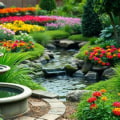
Incorporating fragrant plants into your garden design can transform an ordinary outdoor space into a sensory haven. The allure of scent is often overlooked in traditional landscaping, yet it plays a pivotal role in creating an inviting atmosphere. Imagine stepping into your garden and being greeted by the sweet aroma of lavender or the refreshing scent of mint; these experiences not only enhance the aesthetic appeal but also evoke emotions and memories, making your garden a personal sanctuary.The benefits of fragrant plants extend beyond mere aesthetics. They can attract beneficial insects, such as pollinators, which are essential for a thriving ecosystem.
Additionally, certain scents can deter pests, reducing the need for chemical interventions. By carefully selecting and placing fragrant plants within your garden design, you can create a harmonious balance that promotes both beauty and biodiversity.Moreover, the strategic use of scent can guide visitors through your garden. By positioning stronger fragrances near pathways or seating areas, you can create focal points that draw attention and encourage exploration. This thoughtful approach to garden design not only enhances the visual experience but also engages the senses in a way that leaves a lasting impression.
As we delve deeper into the various ways to incorporate these aromatic wonders into your landscape, you'll discover how to elevate your outdoor space into a fragrant retreat that delights all who enter.
Choosing the Right Fragrant Plants for Your Garden
When it comes to choosing fragrant plants for your garden, it's essential to consider both the aesthetic appeal and the sensory experience they provide. Different plants emit varying scents, and selecting the right ones can enhance your garden's atmosphere significantly.Best Fragrant Plants for Various Garden Styles
- Roses: Known for their classic beauty and rich fragrance, roses are perfect for traditional gardens. Varieties like 'Gertrude Jekyll' and 'David Austin' roses offer stunning blooms and delightful scents.
- Lavender: Ideal for Mediterranean or cottage gardens, lavender not only provides a calming aroma but also attracts pollinators. Its drought-resistant nature makes it suitable for various climates.
- Jasmine: With its sweet, intoxicating scent, jasmine is perfect for trellises or as ground cover in warmer climates.
It thrives in sunny spots and can create a romantic atmosphere.
- Mint: This versatile herb can be used in both culinary and ornamental gardens. Its fresh scent is invigorating, and it can be grown in containers to prevent it from spreading uncontrollably.
- Gardenia: Known for their creamy white flowers and strong fragrance, gardenias are excellent for tropical or subtropical gardens. They require well-drained soil and plenty of sunlight.
Considerations for Climate and Location
When selecting fragrant plants, it's crucial to consider your local climate. Some plants thrive in specific conditions, while others may struggle.For instance, if you live in a cooler region, opt for hardy varieties like heather or sweet woodruff, which can withstand lower temperatures while still providing fragrance.Additionally, think about the location within your garden. Placing fragrant plants near seating areas or pathways allows you to enjoy their scents more fully. Consider using them in borders or as part of a sensory garden where visitors can engage with the aromas directly.Ultimately, the key to a successful fragrant garden lies in selecting plants that not only suit your style but also thrive in your specific environment. By carefully considering these factors, you can create a harmonious space that delights the senses.
Designing with Fragrance in Mind
Incorporating fragrant plants into your garden design can transform your outdoor space into a sensory delight.Here are some practical tips to help you create a fragrant haven.
Strategic Placement
When designing your garden, consider placing fragrant plants near areas where you spend the most time, such as patios, seating areas, or pathways. This allows you to enjoy their scents while relaxing or entertaining. For instance, lavender and jasmine can be planted along walkways to greet visitors with their delightful aromas.Layering for Maximum Impact
Utilising a layered approach in your garden layout can enhance the fragrance experience. Taller plants like rose bushes can be positioned at the back of borders, while shorter plants such as thyme or scented geraniums can fill in the front.This not only creates visual interest but also allows scents to mingle and rise, creating a more immersive experience.
Companion Planting
Combining fragrant plants with other species can amplify their scents and create a harmonious garden environment. For example, pairing mint with roses not only enhances the fragrance but also helps deter pests. Additionally, consider planting aromatic herbs like basil, oregano, and sage alongside flowers to create a multi-sensory experience.Seasonal Considerations
Selecting a variety of fragrant plants that bloom at different times throughout the year ensures that your garden remains aromatic across seasons. Early bloomers like daphne can provide scent in spring, while summer favourites such as honeysuckle and autumn stalwarts like scented violets keep the fragrance alive.Caring for Your Fragrant Plants
To maintain the health and scent of your fragrant plants, ensure they receive adequate sunlight and water.Regular pruning can also encourage new growth and enhance their aromatic qualities. Remember that healthy plants will produce more vibrant scents, so invest time in their care. By thoughtfully incorporating these elements into your garden design, you can create an enchanting space that delights the senses and invites relaxation.
Creating Scent Zones in Your Garden
Creating scent zones in your garden can transform it into a multi-sensory experience, enhancing not only the visual appeal but also the aromatic atmosphere. By strategically placing fragrant plants throughout different areas, you can design spaces that evoke specific moods and memories.To begin, consider the layout of your garden. Identify areas where you spend the most time, such as patios, seating areas, or pathways.These are ideal spots for your scent zones. Here are some tips to effectively incorporate fragrant plants:
- Choose the Right Plants: Select plants known for their strong fragrances. Options like lavender, jasmine, and rose are excellent choices. Each plant has its own unique scent profile, so consider mixing varieties to create a layered aromatic experience.
- Group Plants by Scent: Create distinct zones by grouping plants with similar scents together.
For example, a zone dedicated to citrus-scented plants like lemon balm and orange blossom can provide a refreshing atmosphere.
- Consider Seasonal Fragrance: Incorporate plants that bloom at different times of the year to ensure your garden remains fragrant throughout the seasons. For instance, plant daphne for early spring and scented geraniums for summer.
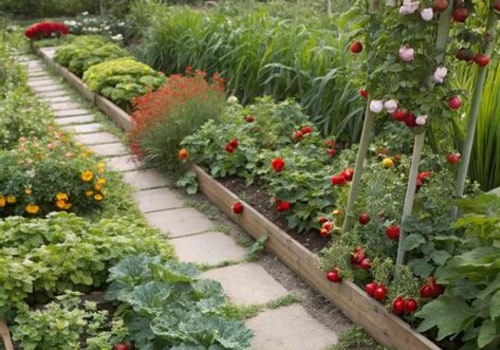
- Utilise Pathways: Position fragrant plants along pathways or near entrances to create an inviting aroma as you walk through your garden. This not only enhances the sensory experience but also guides visitors through your space.
- Add Height Variation: Use taller plants like hollyhocks or delphiniums alongside shorter ones to create visual interest while ensuring that scents are distributed at various heights.
By thoughtfully designing your garden with these scent zones, you can create a harmonious environment that delights the senses and invites relaxation.
Maintenance Tips for Fragrant Plants
Maintaining fragrant plants in your garden is essential for ensuring they thrive and continue to provide their delightful aromas. Here are some key maintenance tips to keep your fragrant plants healthy:- Watering: Most fragrant plants prefer well-drained soil. Water them deeply but infrequently, allowing the top layer of soil to dry out between waterings. This encourages deep root growth and prevents root rot.
- Fertilisation: Use a balanced, slow-release fertiliser during the growing season.
This will provide the necessary nutrients without overwhelming the plants. Be cautious not to over-fertilise, as this can lead to lush foliage at the expense of flowers and fragrance.
- Pruning: Regular pruning helps maintain shape and encourages new growth. Remove dead or diseased branches promptly to prevent the spread of pests and diseases. For flowering plants, prune after blooming to promote future blooms.
- Pest Control: Keep an eye out for common pests such as aphids and spider mites.
Use organic pest control methods, such as insecticidal soap or neem oil, to protect your fragrant plants without harming beneficial insects.
- Mulching: Apply a layer of organic mulch around your plants to retain moisture, suppress weeds, and regulate soil temperature. This also adds nutrients back into the soil as it breaks down.
Common Mistakes to Avoid When Incorporating Fragrant Plants
Incorporating fragrant plants into your garden can elevate the sensory experience, but there are several common mistakes that can hinder your success.Here are some pitfalls to avoid:
- Neglecting Plant Compatibility: Not all fragrant plants thrive together. Some may require different soil types, light conditions, or watering schedules. Researching the specific needs of each plant is crucial to ensure they coexist harmoniously.
- Overcrowding: While it may be tempting to plant numerous fragrant varieties close together for a stronger scent, overcrowding can lead to poor air circulation and increased competition for nutrients. Aim for adequate spacing to allow each plant to flourish.
- Ignoring Seasonal Changes: Many fragrant plants have specific blooming seasons.
Failing to consider this can result in a garden that lacks fragrance at certain times of the year. Plan your garden design to include a mix of plants that bloom at different times, ensuring a continuous aromatic experience.
- Choosing the Wrong Location: Fragrant plants often have specific sunlight and moisture requirements. Placing them in unsuitable locations can diminish their scent and overall health. Assess your garden's microclimates and select spots that meet the needs of your chosen plants.
- Forgetting Maintenance: Fragrant plants often require regular pruning and care to maintain their health and scent.
Neglecting this aspect can lead to overgrowth or disease, which can compromise their fragrance. Establish a maintenance routine that includes watering, fertilising, and pruning as needed.
FAQs About Fragrant Plants in Garden Design
When designing a garden, incorporating fragrant plants can enhance the sensory experience. Here are some frequently asked questions about using these aromatic plants in your garden design.What are the best fragrant plants for a garden?
Some of the most popular fragrant plants include:- Lavender - Known for its calming scent, it attracts pollinators and thrives in sunny spots.
- Rosemary - This herb not only adds fragrance but is also useful in cooking.
- Jasmine - With its sweet scent, jasmine is perfect for trellises or fences.
- Gardenia - These flowers have a strong, sweet fragrance and are ideal for warmer climates.
- Mint - Easy to grow, mint offers a refreshing aroma and can be used in various dishes.
How can I design my garden to maximise fragrance?
To create a fragrant garden, consider the following tips:- Layering plants: Place taller fragrant plants at the back and shorter ones at the front to create depth and ensure that scents are easily accessible.
- Strategic placement: Position fragrant plants near seating areas or pathways where their scents can be enjoyed most.
- Seasonal variety: Choose a mix of plants that bloom at different times to ensure continuous fragrance throughout the year.
- Sensory pathways: Create winding paths lined with fragrant herbs or flowers to engage visitors as they stroll through your garden.
Are there any maintenance tips for fragrant plants?
Caring for fragrant plants often involves:- Regular pruning: This helps maintain shape and encourages new growth, enhancing fragrance.
- Proper watering: Ensure that you understand the water needs of each plant to prevent wilting or root rot.
- Pest control: Keep an eye out for pests that may affect the health and scent of your plants; organic solutions are often effective.
Conclusion: Transforming Your Garden with Fragrance
Incorporating fragrant plants into your garden design not only enhances the aesthetic appeal but also creates a sensory experience that can transform your outdoor space into a personal sanctuary.As we have explored, the right selection of aromatic flora can evoke memories, promote relaxation, and even attract beneficial wildlife.To summarise, here are some key points to consider when integrating fragrance into your garden:
- Choose the Right Plants: Select a variety of fragrant plants that bloom at different times throughout the year to ensure continuous scent. Consider options like lavender, jasmine, and rosemary.
- Strategic Placement: Position fragrant plants near pathways, seating areas, or windows to maximise their scent. This will allow you to enjoy their aroma while spending time outdoors.
- Layering and Textures: Combine fragrant plants with varying heights and textures to create visual interest. For instance, low-growing herbs can complement taller flowering plants.
- Seasonal Considerations: Incorporate seasonal blooms to ensure that your garden remains fragrant throughout the year.
Early spring bulbs like hyacinths can be followed by summer blooms such as roses.
- Sensory Pathways: Design pathways that lead through fragrant areas, encouraging exploration and engagement with the scents of your garden.