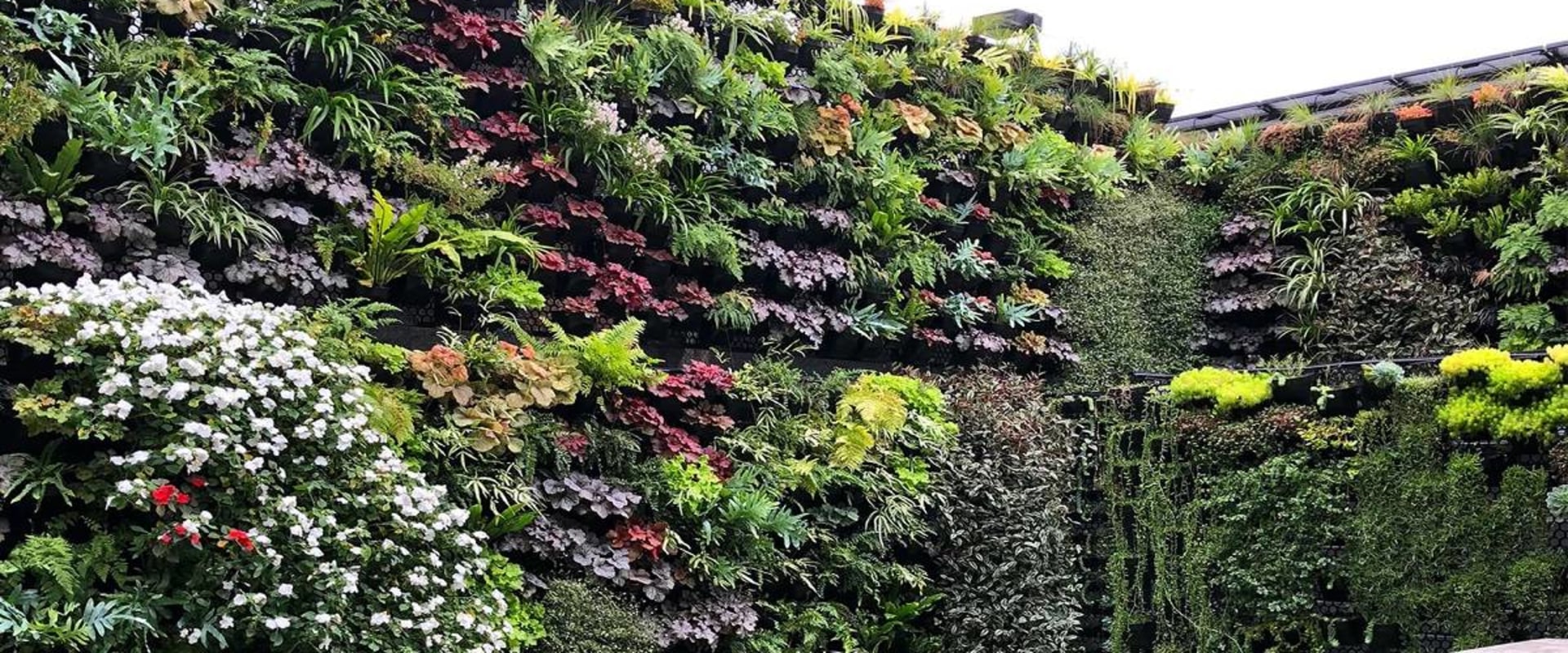
Vertical gardening is an innovative approach to garden and landscaping that allows you to cultivate plants in a vertical space, rather than the traditional horizontal layout. This method is particularly beneficial for those with limited outdoor areas, such as urban dwellers or individuals with small backyards. By utilising walls, fences, or specially designed structures, vertical gardens can transform any space into a lush, green oasis. The benefits of vertical gardening extend beyond mere aesthetics. One of the most significant advantages is its ability to save space.
By growing upwards, you can maximise your planting area without requiring additional ground space. This is especially useful for growing herbs, vegetables, and flowers in compact environments. Furthermore, vertical gardens can improve air quality and provide insulation for buildings, contributing positively to the environment. In addition to their practical benefits, vertical gardens offer a unique aesthetic appeal. They can serve as stunning focal points in your landscape design, adding texture and colour to otherwise bland walls or fences.
The visual impact of a well-designed vertical garden can enhance the overall atmosphere of your outdoor space, making it more inviting and enjoyable. As you explore the basics of vertical gardening, consider how this versatile technique can be integrated into your landscape design to create a harmonious blend of functionality and beauty.
Choosing the Right Location for Vertical Gardens
When it comes to incorporating vertical gardens into your landscape design, choosing the right location is paramount. The success of your vertical garden largely depends on its placement, which should take into account factors such as sunlight requirements and climate considerations.Sunlight Requirements
Most plants thrive in sunlight, so identifying areas that receive adequate light is essential. Here are some tips to consider:- Full Sun: If your vertical garden is positioned in a spot that receives at least six hours of direct sunlight daily, you can opt for a wider variety of plants, including herbs and flowering species.
- Partial Shade: Areas that receive filtered sunlight or only a few hours of direct sun can still support a range of plants.
Consider shade-tolerant species like ferns or certain types of ivy.
- Full Shade: For locations with minimal sunlight, select plants that are specifically adapted to low-light conditions, such as moss or certain ornamental plants.
Climate Considerations
Your local climate plays a significant role in determining the best location for your vertical garden. Here are some factors to keep in mind:- Temperature Extremes: If you live in an area with harsh winters or scorching summers, choose a location that offers some protection from extreme weather. This could mean placing your vertical garden against a wall that absorbs heat during the day or using trellises to provide shade.
- Wind Exposure: High winds can damage delicate plants. Position your vertical garden in a sheltered area, perhaps near a fence or building, to reduce wind exposure.
- Humidity Levels: In humid climates, ensure good air circulation around your vertical garden to prevent fungal diseases.
Conversely, in dry areas, consider locations where you can easily provide additional moisture.
Types of Vertical Gardening Systems
When considering vertical gardening for your landscape design, it's essential to explore the various systems available that can cater to your specific needs and preferences. Here are some popular types of vertical gardening systems:- Wall Planters: These are perhaps the most straightforward option for creating a vertical garden. Wall planters can be made from various materials, including wood, metal, or plastic, and can be mounted directly onto walls or fences. They are ideal for small spaces and can be filled with a variety of plants, from herbs to flowering species.
- Hydroponic Vertical Gardens: For those looking to take their vertical gardening to the next level, hydroponic systems offer a soil-free method of growing plants.
These systems use nutrient-rich water to nourish plants, allowing for faster growth and higher yields. Hydroponic vertical gardens can be set up indoors or outdoors and are perfect for growing vegetables and herbs in limited space.
- Pocket Planters: These innovative planters consist of fabric pockets that can be hung on walls or fences. They are particularly useful for growing smaller plants like succulents or herbs. Pocket planters are lightweight and can easily be moved around, making them a flexible option for any garden design.
- Vertical Garden Kits: For beginners, vertical garden kits provide an all-in-one solution that includes everything needed to start a vertical garden.
These kits often come with pre-planted modules or seeds, along with instructions on how to set them up. They are an excellent way to experiment with vertical gardening without the need for extensive knowledge or experience.
Selecting Plants for Your Vertical Garden
When it comes to creating a stunning vertical garden, selecting the right plants is crucial for both aesthetic appeal and plant health. The best plants for vertical gardens are those that thrive in confined spaces and can adapt to the vertical growth structure. Here are some tips to consider when choosing plants for your vertical garden:- Growth Habit: Opt for plants that naturally grow upwards or have a trailing habit.
Climbing plants like clematis, honeysuckle, and ivy are excellent choices, as they can easily attach themselves to trellises or walls.
- Size and Scale: Consider the mature size of the plants. Smaller varieties, such as ferns, succulents, and herbs, work well in compact spaces, while larger plants may overshadow others if not placed thoughtfully.
- Light Requirements: Assess the light conditions of your vertical garden location. Some plants thrive in full sun, while others prefer partial shade. For instance, shade-loving ferns can be paired with sun-loving petunias if positioned correctly.
- Watering Needs: Group plants with similar watering requirements together to simplify maintenance.
For example, drought-tolerant succulents can be combined, while moisture-loving plants like caladiums should be kept separate.
Designing Your Vertical Garden Layout
Designing a vertical garden layout requires careful consideration to ensure it not only enhances your space but also integrates seamlessly with your overall garden and landscaping design.Here are some key tips and ideas to help you create an aesthetically pleasing vertical garden.
- Assess Your Space: Before you start, evaluate the area where you plan to install your vertical garden. Consider factors such as sunlight, wind exposure, and the existing landscape elements. This will help you choose the right plants and materials.
- Choose a Focal Point: A vertical garden can serve as a stunning focal point in your landscape. Position it where it can be easily viewed, such as against a wall or near a seating area.
This draws attention and creates a visual anchor in your garden.
- Layering Plants: To achieve depth and interest, layer plants of varying heights and textures. Use trailing plants at the top, medium-sized plants in the middle, and larger plants at the bottom. This not only enhances the visual appeal but also maximises space.
- Incorporate Structural Elements: Consider adding trellises, grids, or shelves to support your vertical garden. These structures can provide additional design elements while ensuring that your plants have the necessary support to grow effectively.
- Colour Coordination: Select plants that complement each other in terms of colour and texture.
A harmonious colour palette can create a cohesive look that ties your vertical garden into the broader landscape design.
- Seasonal Variation: To keep your vertical garden dynamic throughout the year, choose a mix of perennial and seasonal plants. This ensures that there is always something in bloom or displaying interesting foliage.
Maintenance Tips for Vertical Gardens
Maintaining a vertical garden is essential for ensuring its longevity and vibrancy. Here are some key maintenance tips to keep your vertical garden thriving:Watering Tips
Proper watering is crucial for the health of your vertical garden.Here are some effective strategies:
- Check Soil Moisture: Regularly check the moisture level of the soil. Use your finger to gauge if the top inch is dry; if so, it’s time to water.
- Drip Irrigation: Consider installing a drip irrigation system to ensure consistent moisture without overwatering. This method delivers water directly to the roots, reducing waste.
- Time of Day: Water your plants early in the morning or late in the afternoon to minimise evaporation and allow plants to absorb moisture effectively.
Pest Control in Vertical Gardens
Pests can be a significant concern in vertical gardens due to their compact nature. Here are some tips for effective pest control:- Regular Inspections: Frequently inspect your plants for signs of pests such as discolouration or webbing.
Early detection is key to managing infestations.
- Natural Remedies: Use natural pest control methods like neem oil or insecticidal soap, which are less harmful to beneficial insects and the environment.
- Diversity of Plants: Incorporate a variety of plants in your vertical garden. A diverse ecosystem can help deter pests and promote a healthier garden overall.
Incorporating Vertical Gardens into Existing Landscapes
Integrating vertical gardens into your existing landscape design can transform your outdoor space, creating a stunning focal point while enhancing the overall aesthetics. Here are some effective strategies to achieve this:- Assess Your Space: Begin by evaluating your current landscape. Identify areas that could benefit from vertical gardens, such as blank walls, fences, or even the sides of garden sheds.
Consider the amount of sunlight these areas receive, as this will influence plant selection.
- Choose the Right Plants: Select plants that complement your existing landscape. Opt for a mix of flowering plants, foliage, and herbs to add texture and colour. Ensure that the plants you choose are suitable for vertical growth and can thrive in the specific conditions of your garden.
- Design for Harmony: To maintain landscape harmony, ensure that the style of your vertical garden aligns with the overall theme of your outdoor space. For instance, if you have a modern garden, consider sleek, minimalist designs with geometric patterns.
Conversely, a rustic garden may benefit from a more organic arrangement.
- Incorporate Vertical Elements: Use trellises, wall-mounted planters, or living walls to create vertical gardens. These elements not only save space but also draw the eye upwards, making your garden feel larger and more inviting.
- Layering and Depth: When designing your vertical garden, think about layering plants to create depth. Place taller plants at the back and shorter ones at the front to ensure visibility and interest from all angles.
Conclusion: Embracing Vertical Gardening in Your Landscape Design
In conclusion, vertical gardening presents a unique opportunity to enhance your garden and landscaping efforts, allowing you to maximise space while adding aesthetic appeal.Throughout this article, we have explored various aspects of vertical gardening, from its benefits to practical implementation strategies. By incorporating vertical elements into your landscape design, you can:
- Utilise limited space: Vertical gardens are perfect for small areas, enabling you to grow a variety of plants without requiring extensive ground space.
- Enhance visual interest: Adding height and dimension to your garden can create a more dynamic and engaging environment.
- Improve air quality: Plants naturally filter pollutants, and vertical gardens can contribute significantly to cleaner air in urban settings.
- Encourage biodiversity: Vertical gardens can attract various pollinators and beneficial insects, promoting a healthier ecosystem.