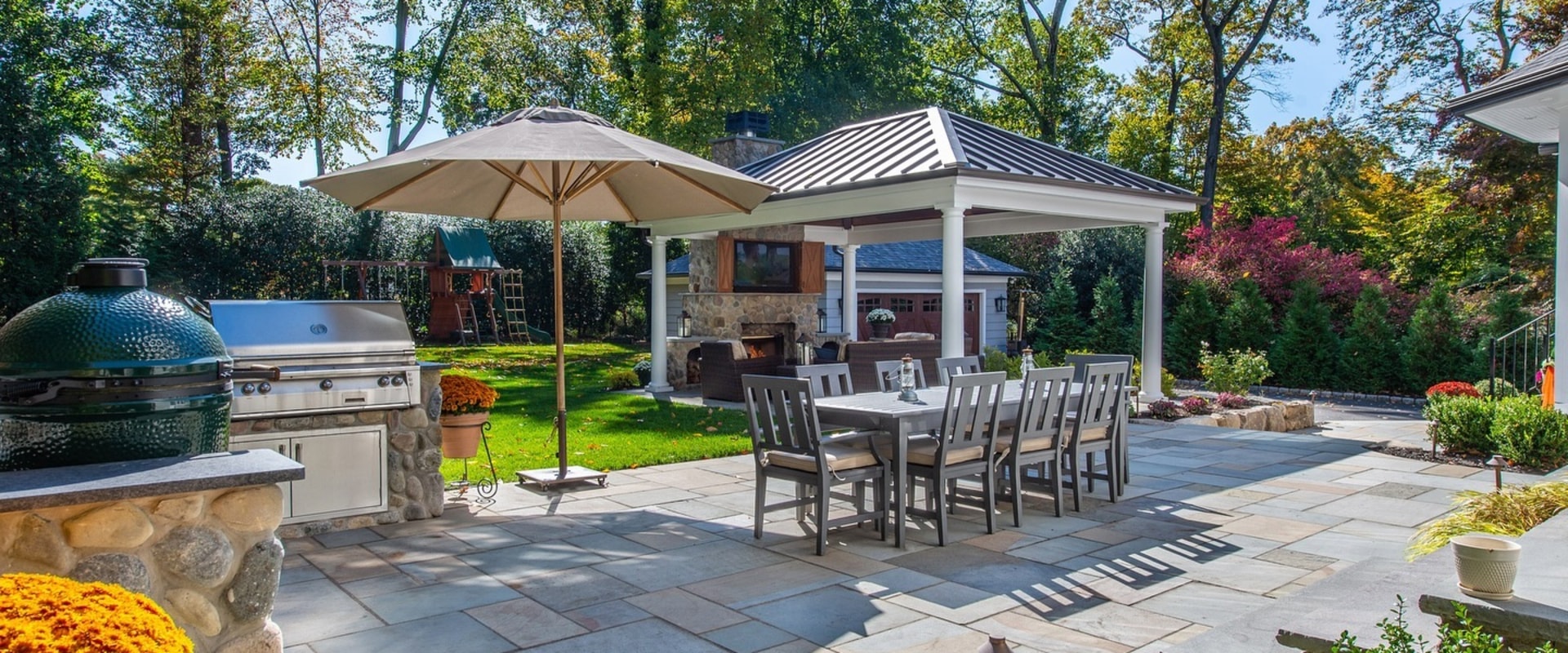
Creating an inviting outdoor entertaining space in your garden begins with a thorough understanding of your space and your specific needs. Before diving into garden design and landscaping ideas, it’s essential to assess the dimensions and layout of your garden. Take note of the areas that receive the most sunlight, as well as those that are shaded, as this will influence the types of plants and furniture you can incorporate. Consider the existing features of your garden, such as trees, pathways, and any structures that may impact your design. Next, think about how you envision using this space.
Will it be primarily for hosting large gatherings, or do you prefer a more intimate setting for family dinners? Understanding your entertaining style will guide your space planning. For instance, if you often host barbecues, you might want to include a grill area and ample seating. Alternatively, if you enjoy quiet evenings outdoors, a cozy nook with comfortable chairs and soft lighting could be more suitable. Additionally, consider the flow of movement within your garden. Ensure there is enough room for guests to move around comfortably without feeling cramped.
You might want to create distinct zones within your outdoor area—such as dining, lounging, and cooking spaces—to enhance functionality while maintaining an inviting atmosphere. By taking these foundational steps to assess your garden and identify your needs, you set the stage for a beautifully designed outdoor entertaining space that reflects your personal style and enhances your lifestyle.
Choosing the Right Location
When creating an inviting outdoor entertaining space in your garden, the location is paramount. Selecting the right spot can significantly enhance your experience and ensure that your gatherings are enjoyable and comfortable.Sun and Shade Considerations
One of the first factors to consider is the balance of sunlight and shade. Ideally, you want a location that receives ample sunlight during the day, especially if you plan to host events in the afternoon or early evening.However, too much sun can make your space uncomfortable. Here are some tips:
- Morning Sun: A spot that gets morning sun can be ideal, as it warms up the area without becoming too hot later in the day.
- Afternoon Shade: Look for areas that are shaded in the afternoon, perhaps by trees or structures, to provide relief from the heat.
- Flexible Options: Consider using umbrellas, canopies, or pergolas to create adjustable shade as needed.
Privacy in Your Garden
Privacy is another crucial aspect when choosing a location for your outdoor entertaining space. You want to feel comfortable and secure while enjoying time with friends and family. Here are some strategies to enhance privacy:- Natural Barriers: Use hedges, shrubs, or trees to create a natural screen that blocks out unwanted views from neighbours.
- Fencing: Installing a fence can provide a solid boundary and enhance your sense of seclusion.
- Strategic Layout: Position seating areas away from sightlines into your garden, perhaps by placing them towards the back or sides of your property.
Design Elements for Comfort and Style
Creating an inviting outdoor entertaining space in your garden requires careful consideration of design elements that enhance both comfort and style.Here are some key aspects to focus on:
Outdoor Furniture Selection
The right outdoor furniture can transform your garden into a welcoming retreat. Opt for durable materials such as teak, eucalyptus, or weather-resistant metal that can withstand the elements. Consider the following:- Seating: Choose comfortable seating options like cushioned sofas or lounge chairs that encourage relaxation. Incorporate a mix of seating styles to accommodate different group sizes.
- Tables: A sturdy dining table is essential for outdoor meals.
Look for tables that complement your seating and provide ample space for food and drinks.
- Shade Solutions: To enhance comfort, include umbrellas or pergolas to provide shade during sunny days, making your space usable at all times.
Garden Decor Ideas
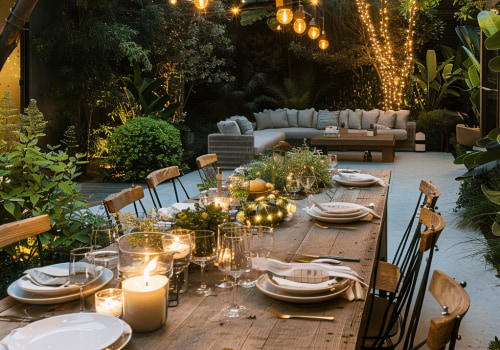
Decorative elements can add personality and charm to your outdoor area. Here are some ideas:- Lighting: String lights, lanterns, or solar-powered garden lights create a warm ambiance for evening gatherings.
- Textiles: Use outdoor cushions, throws, and rugs to add colour and comfort. Choose fabrics that are fade-resistant and easy to clean.
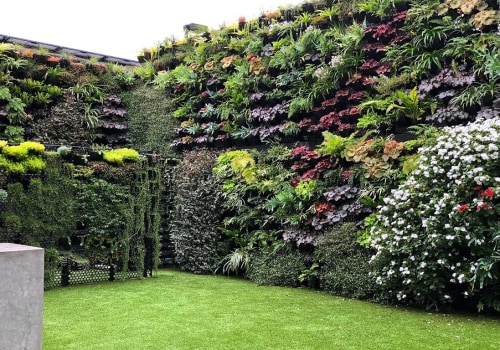
- Planters and Greenery: Incorporate potted plants or hanging baskets to bring life to your space. Select plants that thrive in your climate and require minimal maintenance.
Style Tips for Cohesion
A cohesive style can elevate the overall aesthetic of your garden.Consider these tips:
- Colour Palette: Stick to a consistent colour scheme that complements your home’s exterior. Soft neutrals with pops of colour can create a harmonious look.
- Themes: Whether you prefer a rustic, modern, or bohemian vibe, choose decor and furniture that align with your chosen theme.
- Zoning: Define different areas within your garden for various activities, such as dining, lounging, or playing games. This not only enhances functionality but also adds visual interest.
Incorporating Landscaping Features
Creating an inviting outdoor entertaining space in your garden involves thoughtful landscaping features that not only enhance aesthetics but also improve functionality. Here are some key elements to consider:Plants for Outdoor Spaces
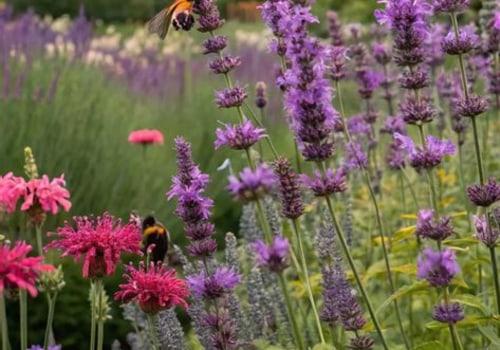
Choosing the right plants is crucial for setting the mood in your garden.Opt for a mix of perennials and annuals to ensure year-round colour and interest. Consider fragrant plants like lavender or jasmine, which can create a pleasant atmosphere during gatherings. Additionally, incorporating herbs such as rosemary or mint can add both beauty and utility, as they can be used in your cooking.
Garden Pathways
Garden pathways serve as functional routes that guide guests through your outdoor space while adding structure. Materials like gravel, stone, or wooden decking can create a rustic charm.Curved pathways often feel more inviting than straight lines, encouraging exploration of different areas in your garden. Ensure that pathways are wide enough to accommodate foot traffic comfortably, especially during entertaining events.
Water Features
Water features, such as fountains or small ponds, can significantly enhance the ambiance of your garden. The sound of flowing water creates a serene environment, making it an ideal backdrop for social gatherings. If space allows, consider installing a small pond with aquatic plants and fish, or a wall-mounted fountain that requires minimal maintenance.These features not only attract wildlife but also provide a cooling effect on warm days.Incorporating these landscaping features will transform your garden into an inviting outdoor entertaining space that is both beautiful and functional. By carefully selecting plants, designing thoughtful pathways, and adding soothing water elements, you can create an environment that encourages relaxation and enjoyment for you and your guests.
Lighting Solutions for Ambiance
Creating an inviting outdoor entertaining space in your garden is not just about the furniture and decor; lighting plays a crucial role in setting the right ambiance. The right lighting can transform your garden into a magical retreat, perfect for evening gatherings or quiet nights under the stars.Here are some effective outdoor lighting ideas to enhance your garden:- String Lights: These versatile lights can be draped across trees, pergolas, or fences. They create a warm, inviting glow that encourages relaxation and conversation.
- Solar Path Lights: Ideal for illuminating walkways, solar path lights are eco-friendly and easy to install.
They guide guests safely while adding a charming touch to your garden.
- Spotlights: Use spotlights to highlight specific features in your garden, such as sculptures, water features, or beautiful plants. This not only adds depth but also creates focal points that draw the eye.
- Lanterns: Whether hanging or placed on tables, lanterns provide a soft light that enhances the cozy atmosphere. Choose from traditional candle lanterns or modern LED options for convenience.
- Wall Sconces: If you have walls or fences in your garden, consider installing wall sconces. They can provide ambient light while also serving as decorative elements.
For instance, rustic gardens may benefit from vintage-style fixtures, while contemporary spaces might look best with sleek, minimalist designs. Additionally, layering different types of lighting—such as combining ambient, task, and accent lighting—can create a more dynamic and inviting atmosphere.Finally, don’t forget about the practical aspects of outdoor lighting. Ensure that all fixtures are weather-resistant and energy-efficient to maintain both safety and sustainability in your garden. With thoughtful planning and creative choices, you can craft an enchanting outdoor space that beckons friends and family to gather long into the night.
Creating a Functional Layout
Creating a functional layout in your garden is essential for fostering an inviting atmosphere that encourages interaction among guests.A well-thought-out garden layout not only enhances the aesthetic appeal but also ensures smooth movement and accessibility.To begin, consider the flow in garden design. This involves planning pathways that guide guests through the space without obstruction. Here are some tips to achieve this:
- Define Zones: Divide your garden into distinct areas such as dining, lounging, and cooking zones. This helps in managing the flow and allows guests to easily navigate between different activities.
- Pathways: Use materials like gravel, stone, or wood to create clear pathways.
Ensure they are wide enough for comfortable movement, ideally at least 1 metre wide.
- Seating Arrangements: Position seating in a way that promotes conversation. Circular or semi-circular arrangements can be more inviting than linear setups.
- Accessibility: Ensure that all areas are accessible for everyone, including those with mobility challenges. Consider raised beds or planters that are easy to reach.
Well-placed lights can enhance the usability of your garden after dark, making it a welcoming space for evening gatherings. By focusing on these aspects of layout and design, you can transform your garden into a functional and inviting outdoor entertaining area.
Seasonal Considerations and Maintenance Tips
Creating an inviting outdoor entertaining space in your garden requires careful consideration of seasonal changes and ongoing maintenance. By adapting your approach throughout the year, you can ensure that your garden remains a welcoming retreat for gatherings, no matter the season.Spring: Preparing for the Season
As winter fades, it’s time to rejuvenate your garden. Start by:- Clearing debris: Remove any fallen leaves, branches, or dead plants to make way for new growth.
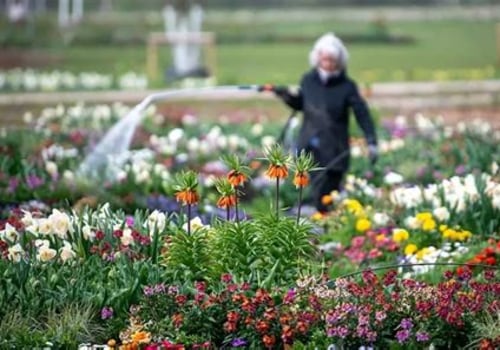
- Planting seasonal flowers: Choose vibrant blooms like tulips and daffodils to add colour and attract pollinators.
- Checking outdoor furniture: Clean and inspect your furniture for any damage, ensuring it’s ready for use.
Summer: Maintaining Comfort
During the warmer months, focus on keeping your space comfortable:- Regular watering: Ensure plants are well-watered, especially during dry spells.
Consider installing a drip irrigation system for efficiency.
- Shade solutions: Use umbrellas or pergolas to provide shade for guests, making the space more enjoyable.
- Pest control: Keep an eye out for pests and use organic methods to manage them without harming your plants.
Autumn: Preparing for Winter
As temperatures drop, it’s essential to prepare your garden for the colder months:- Pruning plants: Trim back overgrown shrubs and perennials to promote healthy growth in spring.
- Planting bulbs: Autumn is the perfect time to plant spring-flowering bulbs like hyacinths and crocuses.
- Covering furniture: Protect outdoor furniture with covers or store them indoors to prolong their lifespan.
Winter: Embracing the Chill
Even in winter, your garden can be inviting:- Winter interest plants: Incorporate evergreens and ornamental grasses that provide structure and colour during the colder months.
- Lighting solutions: Install outdoor lighting to create a warm atmosphere for evening gatherings.
- Fire pits or heaters: Consider adding a fire pit or outdoor heater to extend the usability of your space into winter evenings.
FAQs About Outdoor Entertaining Spaces
Creating an inviting outdoor entertaining space in your garden can raise many questions. Here are some frequently asked questions that can help guide you through the process:- What are the essential elements of an outdoor entertaining space?
An effective outdoor entertaining area typically includes comfortable seating, a dining table, adequate lighting, and perhaps a fire pit or outdoor heater for cooler evenings. Incorporating landscaping features such as plants and flowers can also enhance the atmosphere. - How do I choose the right furniture for my garden?
When selecting furniture, consider materials that withstand the UK weather, such as teak or aluminium.Opt for pieces that are both stylish and functional, ensuring they complement your garden's overall aesthetic.
- What type of lighting is best for outdoor spaces?
Soft, ambient lighting is ideal for creating a warm atmosphere. Consider using string lights, lanterns, or solar-powered garden lights to illuminate your space without overwhelming it. - How can I make my outdoor space more private?
To enhance privacy, consider adding trellises with climbing plants, tall hedges, or decorative screens. These elements not only provide seclusion but also add to the landscaping appeal. - What are some tips for maintaining my outdoor entertaining area?
Regular maintenance is key. Keep your furniture clean and protected from the elements, prune plants to encourage healthy growth, and ensure pathways are clear and safe for guests.
Remember to tailor your design to suit your personal style and the specific needs of your gatherings.