Creating a child-friendly garden is not just about aesthetics; it plays a crucial role in fostering a nurturing environment for children. In today’s digital age, where screens often dominate playtime, a well-designed garden can serve as a sanctuary that encourages outdoor exploration and physical activity. By integrating elements that are safe and engaging, parents can cultivate a space that promotes not only play but also learning and creativity, all while considering the essential aspects of plant structure to enhance the garden's appeal and educational value. The significance of a is not just about aesthetics; it plays a crucial role in fostering a nurturing environment for children. In today’s digital age, where screens often dominate playtime, a well-designed garden can serve as a sanctuary that encourages outdoor exploration and physical activity. By integrating elements that are safe and engaging, parents can cultivate a space that promotes not only play but also learning and creativity, all while considering the essential aspects of plant structure to enhance the garden's appeal and educational value. The significance of a child-friendly garden extends beyond mere enjoyment. Engaging with nature has been shown to have numerous benefits for children, including improved mental health, enhanced cognitive development, and increased physical fitness.
When children interact with plants, soil, and wildlife, they develop a sense of responsibility and an appreciation for the environment. This connection to nature can instil lifelong values of sustainability and conservation. Moreover, gardening activities can be educational. Children can learn about the life cycle of plants, the importance of biodiversity, and even basic science concepts through hands-on experiences. Whether it’s planting seeds, watering plants, or observing insects, each activity offers valuable lessons that contribute to their overall development.
Thus, a garden designed with children in mind not only provides a space for fun but also serves as an outdoor classroom that enriches their understanding of the world around them.
Designing the Layout of Your Child-Friendly Garden
Creating a child-friendly garden requires thoughtful planning and design to ensure that the space is both safe and engaging for children. The layout of your garden plays a crucial role in achieving this goal.Space and Accessibility
- Consider the size of your garden. A larger space allows for more diverse activities, such as play areas, vegetable patches, and quiet zones.
- Ensure that pathways are wide enough for children to move freely, especially if they are using pushchairs or riding bikes.
- Incorporate soft surfaces like grass or rubber mats in play areas to cushion falls and enhance safety.
- Design the layout to allow for clear sightlines from your home to all areas of the garden. This ensures that you can easily supervise children as they play.
- Avoid placing large plants or structures that could obstruct views, creating hidden spots where children might wander off.
- Incorporate interactive elements such as a sandpit, water feature, or climbing frame to stimulate creativity and physical activity.
- Create themed zones within the garden, such as a sensory area with fragrant plants and textured surfaces, to engage children's senses.
Remember that a well-designed garden not only enhances children's enjoyment but also fosters their connection with nature.
Choosing Safe Plants and Materials
Creating a child-friendly garden begins with the careful selection of plants and materials that ensure safety for little ones. When choosing plants, it’s essential to opt for non-toxic garden plants that are safe for children to touch and explore.Safe Plants for Children
Here are some excellent options for safe plants that can thrive in your garden:- Sunflowers: These bright, cheerful flowers are not only visually appealing but also safe for children.
- Marigolds: Known for their vibrant colours, marigolds are non-toxic and can deter pests naturally.
- Snapdragons: With their unique shape and fun-to-pick flowers, snapdragons are a great addition to any child-friendly garden.
- Herbs like basil and mint: These aromatic plants are safe and can be used in cooking, making them both fun and functional.
Child-Friendly Materials
In addition to selecting the right plants, using child-friendly materials in your garden is crucial. Here are some recommendations:- Cedar wood: This natural material is durable and resistant to rot, making it ideal for raised beds or play structures.
- Natural stone: Using stones for pathways or borders can create a safe environment while adding aesthetic appeal.
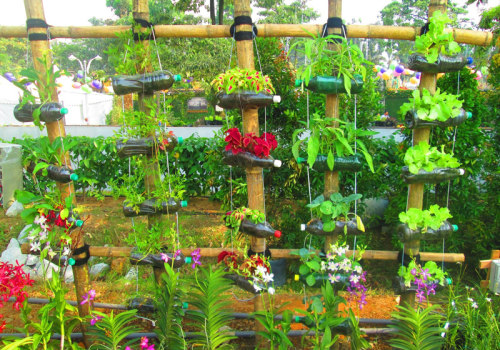
- Bamboo: A sustainable option, bamboo is lightweight yet sturdy, perfect for trellises or garden fencing.
- Non-toxic paints: If you’re adding furniture or decorations, ensure they are painted with non-toxic finishes to keep your children safe.
Incorporating Play Areas into Your Garden
Creating a child-friendly garden involves thoughtful integration of play areas that not only entertain but also encourage physical activity and creativity.Here are some ideas to help you design an engaging outdoor space for children.
- Designated Play Zones: Start by identifying specific areas in your garden where children can play safely. Consider using natural boundaries like hedges or flower beds to define these zones.
- Garden Play Equipment: Invest in garden play equipment such as swings, slides, and climbing frames. Opt for durable materials that can withstand the elements, and ensure they are age-appropriate for your children.
- Natural Play Features: Incorporate elements from nature to create a more organic play environment. This could include:
- Sandpits: A simple sandpit can provide hours of entertainment.
Surround it with seating for parents to supervise while children play.
- Water Features: A small pond or water play area can be both fun and educational. Ensure safety measures are in place, such as shallow depths and secure edges.
- Logs and Boulders: Use logs or large stones as natural climbing structures. They can stimulate imaginative play while blending seamlessly into the garden landscape.
- Interactive Garden Elements: Consider adding features that promote interaction with nature, such as:
- Vegetable Patches: Encourage children to help grow their own vegetables. This not only teaches responsibility but also fosters a love for gardening.
- Wildflower Areas: Create a wildflower patch where children can explore and learn about different plant species and insects.
Creating Educational Opportunities in the Garden
Transforming your garden into a learning environment can be both fun and rewarding for children.By engaging them in various educational gardening activities, you can instil a sense of responsibility and a deeper understanding of nature.
1.Planting a Vegetable Garden
- Encourage children to choose their favourite vegetables to grow. This not only makes them more invested in the process but also teaches them about healthy eating.
- Involve them in the entire process, from preparing the soil to planting seeds and watering the plants. This hands-on experience fosters a sense of ownership.
- As the vegetables grow, discuss the importance of sustainability and how plants contribute to our ecosystem.
2.Creating a Wildlife Habitat
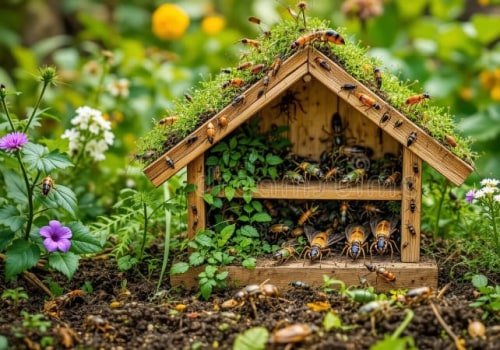
- Set up bird feeders, insect hotels, and native plants to attract local wildlife. This can spark discussions about biodiversity and the role of different species in our environment.
- Encourage children to observe and document the various creatures that visit the garden.
This can be turned into a fun project where they create a wildlife journal.
3.Nature Crafts
- Utilise natural materials from the garden for arts and crafts. For example, leaves can be used for printing, while twigs can be fashioned into sculptures.
- This not only enhances creativity but also teaches children to appreciate the beauty of nature.
4.Science Experiments
- Conduct simple experiments, such as measuring plant growth under different conditions (light, water, soil type). This introduces basic scientific principles in an engaging way.
- Discuss concepts like photosynthesis and the water cycle as they relate to their gardening activities.
Maintaining a Child-Friendly Garden
Creating a child-friendly garden is just the beginning; maintaining it is equally important to ensure it remains a safe and enjoyable space for children. Here are some essential tips for garden maintenance that families can follow throughout the seasons.Regular Safety Checks
Conduct regular safety checks in your garden to identify potential hazards.Look for:
- Sharp tools and equipment that should be stored securely out of reach.
- Poisonous plants that may pose a risk to curious little hands.
- Uneven surfaces or trip hazards that could lead to falls.
Seasonal Care Tips
Each season brings its own set of maintenance tasks:- Spring: This is the perfect time to plant new flowers and vegetables. Ensure that any chemicals, such as fertilisers or pesticides, are child-safe or used sparingly.
- Summer: Keep the garden well-watered and check for any overgrown areas. Regularly trim hedges and bushes to prevent hiding spots for insects or small animals.
- Autumn: Rake up fallen leaves to prevent slipping and create a fun activity for kids. This is also a good time to plant bulbs for spring blooms.
- Winter: Protect delicate plants from frost and ensure pathways are clear of snow and ice to maintain safe access for children.
Engaging Children in Maintenance
Involve your children in the maintenance of the garden.This not only teaches them responsibility but also helps them develop a love for nature. Simple tasks like watering plants, picking up debris, or planting seeds can be fun activities that foster their connection with the outdoors.By following these tips, you can ensure that your garden remains a safe haven for your children while also being a vibrant space for family enjoyment throughout the year.
FAQs About Creating a Child-Friendly Garden
Creating a child-friendly garden can raise many questions for parents and caregivers. Here are some frequently asked questions that can help guide you in designing a safe and enjoyable outdoor space for children.What are the best plants for a child-friendly garden?
When selecting plants, consider non-toxic varieties that are safe for children. Some excellent options include:- Sunflowers - Tall and cheerful, they can also be fun for kids to grow.
- Marigolds - Bright and hardy, these flowers can withstand rough handling.
- Herbs - Plants like basil and mint are safe to touch and smell, encouraging sensory exploration.
How can I ensure safety in my garden?
Safety is paramount when creating a garden for children.Here are some tips:
- Use natural pest control methods to avoid harmful chemicals.
- Avoid sharp tools and store them out of reach.
- Create clear pathways to prevent trips and falls.
What activities can children do in the garden?
A child-friendly garden should encourage play and learning. Consider incorporating:- Digging areas where kids can explore soil and plant seeds.
- A sensory garden with different textures, scents, and colours.
- A small water feature or sandpit for creative play.
Conclusion: The Joy of Gardening with Children
Creating a child-friendly garden is not just about aesthetics; it’s about fostering a love for nature and encouraging learning through play. Throughout this article, we have explored various strategies to transform your outdoor space into a vibrant environment where children can thrive.By incorporating elements such as safe plants, interactive features, and designated play areas, you can create a garden that is both inviting and educational. Children can learn about the life cycle of plants, the importance of biodiversity, and even basic gardening skills.These experiences not only enhance their understanding of the natural world but also instil a sense of responsibility and care.Moreover, a child-friendly garden serves as a perfect backdrop for family bonding. Whether it’s planting seeds together, watching them grow, or simply enjoying the beauty of the outdoors, these moments create lasting memories. Engaging children in gardening activities can also promote physical health by encouraging them to be active and spend time outside.In conclusion, the benefits of creating a child-friendly garden extend far beyond mere enjoyment. It is an investment in your child's development, offering them opportunities to explore, learn, and connect with nature.
As you embark on this gardening journey, remember that every small effort contributes to a larger goal: nurturing curious minds and fostering a lifelong appreciation for the environment.So gather your tools, involve your children in the planning process, and watch as your garden transforms into a lively sanctuary filled with laughter and learning.