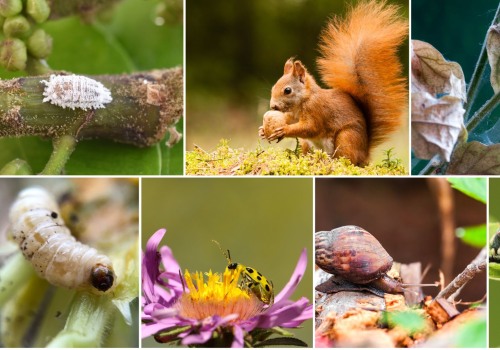
Creating a beautiful garden can be a rewarding endeavour, but it often comes with its own set of challenges, particularly when it comes to wildlife. Many gardeners find themselves at odds with local fauna, especially deer, which are notorious for their insatiable appetite for tender plants and flowers. Understanding the dynamics of wildlife in gardens is crucial for anyone looking to cultivate a thriving outdoor space that remains intact despite the presence of these hungry visitors. Deer are not the only culprits; rabbits, squirrels, and even birds can wreak havoc on your carefully planned landscape. These animals are often drawn to gardens not just for food but also for shelter and nesting opportunities.
As a result, gardeners must navigate a complex relationship with nature, balancing their desire for a lush garden with the need to protect their plants from being devoured. This challenge is compounded by the fact that many traditional gardening methods may inadvertently attract these creatures. To successfully create a deer resistant garden, it is essential to first understand the behaviours and preferences of these animals. By identifying which plants are most appealing to wildlife and implementing strategic design choices, you can significantly reduce the likelihood of damage. In the following sections, we will explore effective strategies and solutions that will empower you to create a garden that not only flourishes but also stands resilient against the challenges posed by wildlife.
Choosing the Right Plants for a Deer-Resistant Garden
Creating a garden that is both beautiful and resistant to deer and other wildlife begins with selecting the right plants.Certain species are naturally less appealing to these animals, making them ideal choices for your landscape.
Deer Resistant Plants
- Lavender: This fragrant herb not only adds a lovely scent to your garden but also deters deer with its strong aroma.
- Marigolds: Known for their vibrant colours, marigolds are unappealing to deer and can also help repel other pests.
- Thyme: A hardy herb that thrives in various conditions, thyme is another plant that deer tend to avoid.
- Boxwood: This evergreen shrub is not only aesthetically pleasing but also serves as a natural barrier against deer.
- Ferns: Many fern varieties are unpalatable to deer, making them a great addition to shaded areas of your garden.
Best Plants for Wildlife Gardens
When designing a wildlife-friendly garden, consider incorporating plants that attract beneficial insects while remaining unattractive to deer:
- Echinacea (Coneflower): This hardy perennial attracts pollinators and is generally avoided by deer.
- Black-eyed Susan: Another perennial that brings colour and life to your garden without enticing deer.
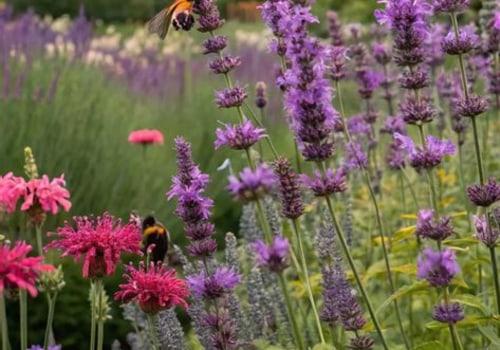
- Bee Balm: Known for attracting bees and butterflies, bee balm is also not favoured by deer.
Landscaping with Deer Resistant Plants
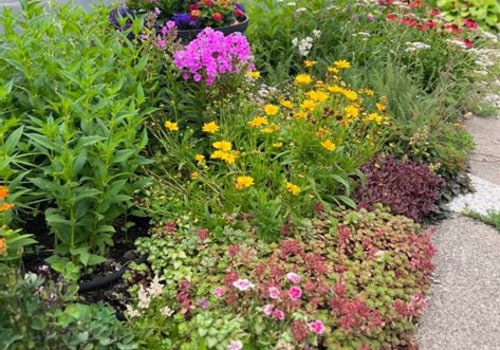
Incorporating these plants into your landscaping can create a stunning visual appeal while ensuring your garden remains intact. Consider grouping plants with similar water and sunlight needs together, which will not only enhance the aesthetic but also promote healthy growth. Additionally, using a mix of textures and heights can create depth in your landscape design.By carefully selecting deer resistant plants, you can cultivate a thriving garden that stands up to the challenges posed by wildlife, allowing you to enjoy your outdoor space without constant worry.
Designing Your Garden Layout to Deter Wildlife
Creating a garden that is resistant to deer and other wildlife begins with thoughtful garden layout. By strategically planning your space, you can significantly reduce the likelihood of unwanted visitors.1.Plant Placement
- Group plants wisely: Positioning less palatable plants near the edges of your garden can act as a natural barrier.
Consider using aromatic herbs like rosemary or lavender, which are less appealing to deer.
- Use height to your advantage: Taller plants can provide a visual barrier. Incorporate shrubs and taller perennials at the back of borders to shield more vulnerable plants.
- Layering: Create layers in your garden by planting taller species behind shorter ones. This not only adds visual interest but also makes it harder for wildlife to access the more delicate plants.
2.Physical Barriers
- Fencing: A sturdy fence is one of the most effective ways to keep wildlife out. Ensure it is at least 8 feet high and buried a foot underground to prevent animals from digging underneath.
- Netting: For smaller areas or specific plants, consider using netting or mesh to protect them from browsing animals.
- Raised beds: Elevating your garden beds can deter some wildlife, as many animals prefer not to jump up to reach food.
3.Companion Planting
Utilising companion planting techniques can also help deter wildlife.
For instance, planting garlic or onions alongside more desirable plants can mask their scent and make them less appealing to deer and rabbits.
4.Scent Deterrents
Incorporating strong-smelling plants such as marigolds, sage, or even using homemade sprays made from garlic or hot pepper can further discourage wildlife from entering your garden.By implementing these strategic landscaping design tips, you can create a beautiful garden that not only thrives but also remains largely untouched by deer and other wildlife.
Utilising Fencing and Barriers Effectively
Creating a garden that is resistant to deer and other wildlife begins with the right fencing and barriers. These elements not only protect your plants but also enhance the overall aesthetics of your garden.Types of Fencing for Gardens
When selecting fencing, consider the following options:- Wooden Fencing: A classic choice that can be customised in height and design. Ensure it is at least 8 feet tall to deter deer effectively.
- Wire Fencing: Options like welded wire or chain link can be effective. Use a height of at least 6 to 8 feet, and bury the bottom 12 inches to prevent animals from digging underneath.
- Electric Fencing: This is a highly effective deterrent for larger wildlife.
It can be installed as a single or double strand, depending on the level of protection needed.
- Composite Fencing: Made from recycled materials, this type offers durability and low maintenance while providing a solid barrier against wildlife.
Barriers Against Wildlife
In addition to fencing, consider using barriers that can complement your garden's defence:- Netting: Lightweight and easy to install, netting can protect specific plants or areas from browsing animals.
- Row Covers: These fabric covers not only shield plants from wildlife but also provide protection from harsh weather conditions.
- Planting Screens: Strategically placing dense shrubs or thorny plants around the perimeter can act as a natural barrier against deer and other animals.
Incorporating Natural Deterrents in Your Garden
Creating a garden that is resistant to deer and other wildlife can be effectively achieved by incorporating natural deterrents. These methods not only protect your plants but also promote a healthier ecosystem.Utilising Scents
Many animals, including deer, are sensitive to certain scents. By introducing plants with strong aromas, you can create a natural barrier.Consider planting lavender, rosemary, or sage, which are known for their potent fragrances that deter deer. Additionally, using essential oils such as peppermint or citrus can be effective when sprayed around the perimeter of your garden.
Companion Planting
Companion planting is another strategy that can help keep wildlife at bay. Certain plants can repel unwanted visitors while attracting beneficial insects. For instance, planting marigolds alongside your vegetables not only adds colour but also emits a scent that deters deer and rabbits.Similarly, interspersing garlic or onions among your crops can create an unfavourable environment for herbivores.
Physical Barriers and Other Methods
In addition to scents and companion planting, consider using physical barriers such as fencing. A fence that is at least 8 feet tall can effectively keep deer out. However, if a fence is not feasible, using netting or row covers can protect individual plants.Moreover, employing noise deterrents like wind chimes or reflective materials can startle wildlife and discourage them from entering your garden. These methods not only enhance the aesthetic appeal of your garden but also serve as practical solutions to wildlife intrusion.By integrating these wildlife deterrent methods, you can cultivate a thriving garden that remains untouched by deer and other animals, ensuring your plants flourish in a safe environment.Maintaining Your Garden to Ensure Long-Term Resistance
To ensure your garden remains resilient against deer and other wildlife, regular maintenance is essential.Here are some effective tips to help you maintain a deer-resistant garden over the long term:
- Regular Pruning: Keep your plants well-pruned to discourage deer from browsing. By removing excess foliage, you can reduce the attractiveness of your plants.
- Soil Health: Healthy soil leads to robust plants. Regularly test your soil and amend it with organic matter to promote strong growth, making your plants less appealing to wildlife.
- Mulching: Apply a layer of mulch around your plants. This not only helps retain moisture but can also deter deer and other animals by creating an unfamiliar texture underfoot.
- Plant Selection: Continuously evaluate the plants in your garden.
If certain species are consistently targeted by deer, consider replacing them with more resistant varieties. Native plants often have better resistance.
- Fencing Maintenance: If you have a fence, inspect it regularly for any damage or gaps. A well-maintained fence is crucial for keeping deer out. Ensure it is at least 8 feet tall and buried a foot underground to prevent digging.
- Repellents: Reapply natural repellents regularly, especially after rain.
Products containing garlic, hot pepper, or predator urine can be effective deterrents.
Frequently Asked Questions About Wildlife-Resistant Gardening
Creating a garden that is resistant to deer and other wildlife can raise many questions. Here are some frequently asked questions that can help you navigate this challenge.- What plants are most resistant to deer?Certain plants are known for their deer-resistant qualities. These include:
- Lavender
- Thyme
- Marigolds
- Boxwood
- Ferns
- How can I deter other wildlife?To keep other wildlife at bay, consider the following strategies:
- Use fencing that is at least 8 feet tall to prevent animals like deer from jumping over.
- Plant strong-smelling herbs, such as mint or rosemary, which can deter rabbits and other small animals.
- Install motion-activated sprinklers or lights to scare away nocturnal creatures.
- Are there any specific gardening tips for creating a wildlife-resistant garden?Yes, here are some effective tips:
- Group plants: Planting in clusters can create a more robust barrier against wildlife.
- Mulch: Use coarse mulch to make it difficult for animals to dig up your plants.
- Regular maintenance: Keep your garden tidy and remove any fallen fruits or vegetables that may attract wildlife.
- Can I use repellents?Yes, there are various natural and commercial repellents available.
Look for those that contain ingredients like:
- Capsaicin
- Peppermint oil
- Eucalyptus oil
Conclusion: Key Takeaways for a Successful Wildlife-Resistant Garden
Creating a garden that is resistant to deer and other wildlife requires a thoughtful approach that combines strategic planning, plant selection, and effective deterrents. Here are the key takeaways to ensure your garden thrives despite the presence of these animals:- Choose the Right Plants: Opt for native species and plants known for their deer-resistant qualities. Examples include lavender, sage, and marigolds, which are less appealing to wildlife.
- Create Barriers: Physical barriers such as fences can be highly effective. Ensure they are at least 8 feet tall to deter deer, and consider using netting or chicken wire for smaller animals.
- Utilise Repellents: Employ natural or commercial repellents that can deter wildlife.
These can include sprays made from garlic, hot pepper, or predator urine, which can make your garden less inviting.
- Design with Wildlife in Mind: Incorporate elements that attract beneficial wildlife while deterring harmful ones. For instance, birdhouses can attract birds that eat pests, reducing the need for chemical interventions.
- Maintain Your Garden: Regular maintenance is crucial. Keep your garden tidy by removing fallen fruits and vegetables that may attract unwanted visitors.
- Consider Companion Planting: Some plants can naturally repel deer when planted alongside more vulnerable species. For example, planting strong-smelling herbs near your vegetables can help protect them.
Remember, patience and persistence are key; it may take time to find the right combination of plants and deterrents that work best for your specific environment.