In recent years, the concept of sustainable gardening has gained significant traction among environmentally conscious individuals. This approach not only focuses on cultivating plants but also emphasises the importance of using resources wisely and reducing waste. One of the most effective ways to achieve this is by incorporating recycled materials into your garden design, including selecting options for landscape edging. Understanding which landscape edging is best can enhance both the aesthetic and ecological aspects of your garden. into your garden design, including selecting options for landscape edging. Understanding which landscape edging is best can enhance both the aesthetic and ecological aspects of your garden.
By doing so, you not only contribute to a healthier planet but also create a unique and personalised outdoor space that reflects your values. Utilising recycled materials in your garden can take many forms, from repurposing old furniture as planters to using reclaimed wood for raised beds. These practices not only minimise the environmental impact associated with new materials but also add character and charm to your garden. Furthermore, embracing eco-friendly practices can lead to cost savings, as many recycled items can be sourced for free or at a low cost. As you embark on your journey towards a more sustainable garden, consider the myriad of possibilities that recycled materials offer. Not only will you be making a positive impact on the environment, but you'll also inspire others in your community to rethink their own gardening practices.
In the following sections, we will explore specific ways to incorporate these materials into your garden design, ensuring that your outdoor space is both beautiful and sustainable.
Understanding Recycled Materials in Gardening
In the context of garden and landscaping, recycled materials refer to any materials that have been repurposed or reused in a way that reduces waste and environmental impact. These materials can come from various sources, including construction sites, household items, and even natural elements. Understanding the types of recycled materials available is essential for creating a sustainable garden design.Types of Recycled Materials
- Wood: Old pallets, reclaimed timber, and even tree stumps can be transformed into raised beds, benches, or decorative features.
- Bricks and Stones: Salvaged bricks and stones can be used for pathways, borders, or retaining walls, adding character and texture to your garden.
- Glass: Broken glass can be used in mosaics or as decorative mulch, while glass bottles can serve as unique plant markers or garden edging.
- Metal: Old metal containers, such as buckets or tubs, can be repurposed as planters. Additionally, scrap metal can be fashioned into sculptures or garden art.
- Plastic: Recycled plastic products like garden furniture or planters are durable and often made from post-consumer waste.
- Compost: While not a traditional recycled material, composting kitchen scraps and garden waste creates nutrient-rich soil that supports plant growth.
By choosing recycled options, you contribute to reducing landfill waste and conserving natural resources. As you plan your garden design, consider how these materials can be integrated creatively to reflect your personal style while being environmentally responsible.
Creating Garden Structures with Recycled Materials
Incorporating recycled materials into your garden design can not only enhance its aesthetic appeal but also promote sustainability. One of the most versatile materials for creating garden structures is recycled wood. Old fences, pallets, and even discarded furniture can be transformed into functional and attractive elements in your garden.Building with Pallets
- Pallet Planters: Stack and secure pallets to create unique raised beds.
This method allows for excellent drainage and can be painted or stained to match your garden's theme.
- Pallet Seating: Use pallets to construct benches or seating areas. They can be arranged in various configurations, providing a rustic charm while being budget-friendly.
Creating Fencing
- Wooden Fences: Reclaimed wood from old barns or shipping crates can be repurposed into stunning fences. Not only do they provide privacy, but they also add character to your garden.
- Decorative Trellises: Use leftover wood pieces to build trellises for climbing plants. This not only supports your plants but also creates vertical interest in your garden space.
Metal Structures
- Recycled Metal Fencing: Old metal gates or sheets can be fashioned into fencing that is both durable and stylish.
This type of fencing can withstand the elements while adding an industrial touch to your landscape.
- Trellises and Arches: Consider using old metal pipes or rods to create trellises or arches for climbing plants. These structures can serve as focal points in your garden while being eco-friendly.
Innovative Pathways and Patios Using Recycled Items
Creating pathways and patios using recycled materials not only enhances the aesthetic appeal of your garden but also promotes sustainability. By repurposing items like bricks, tiles, and stones, you can design unique outdoor spaces that reflect your personal style while being environmentally friendly.Recycled Bricks
- Brick Pathways: Old bricks can be laid in various patterns to form charming pathways.
Consider herringbone or basketweave designs for a classic look. Ensure the ground is level and compacted before laying the bricks to prevent shifting over time.
- Brick Patios: A patio made from recycled bricks can serve as a stunning focal point in your garden. You can create a rustic feel by leaving some gaps for moss or grass to grow between the bricks, adding a touch of nature.
Reclaimed Tiles
- Tile Pathways: Use mismatched tiles to create a vibrant and eclectic pathway. This approach allows for creativity, as you can mix colours and patterns to suit your garden's theme.
- Tile Patios: Reclaimed tiles can be used to construct a durable patio surface.
Their varied textures and colours can enhance the visual interest of your outdoor space.
Natural Stones
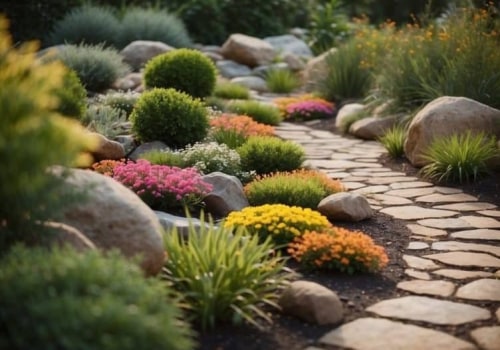
- Stone Pathways: Large flat stones can be arranged to form a natural-looking path that blends seamlessly with the surrounding landscape. This type of pathway is not only functional but also adds a rustic charm.
- Stone Patios: A patio made from natural stones offers durability and an organic feel. You can use smaller stones to fill in gaps or create borders, enhancing the overall design.
Decorative Elements: Upcycling in the Garden
Incorporating decorative elements made from recycled materials into your garden design not only enhances its aesthetic appeal but also promotes sustainability.Upcycling is a creative way to transform everyday items into unique pieces of garden art. Here are some innovative ideas to inspire your upcycling journey:
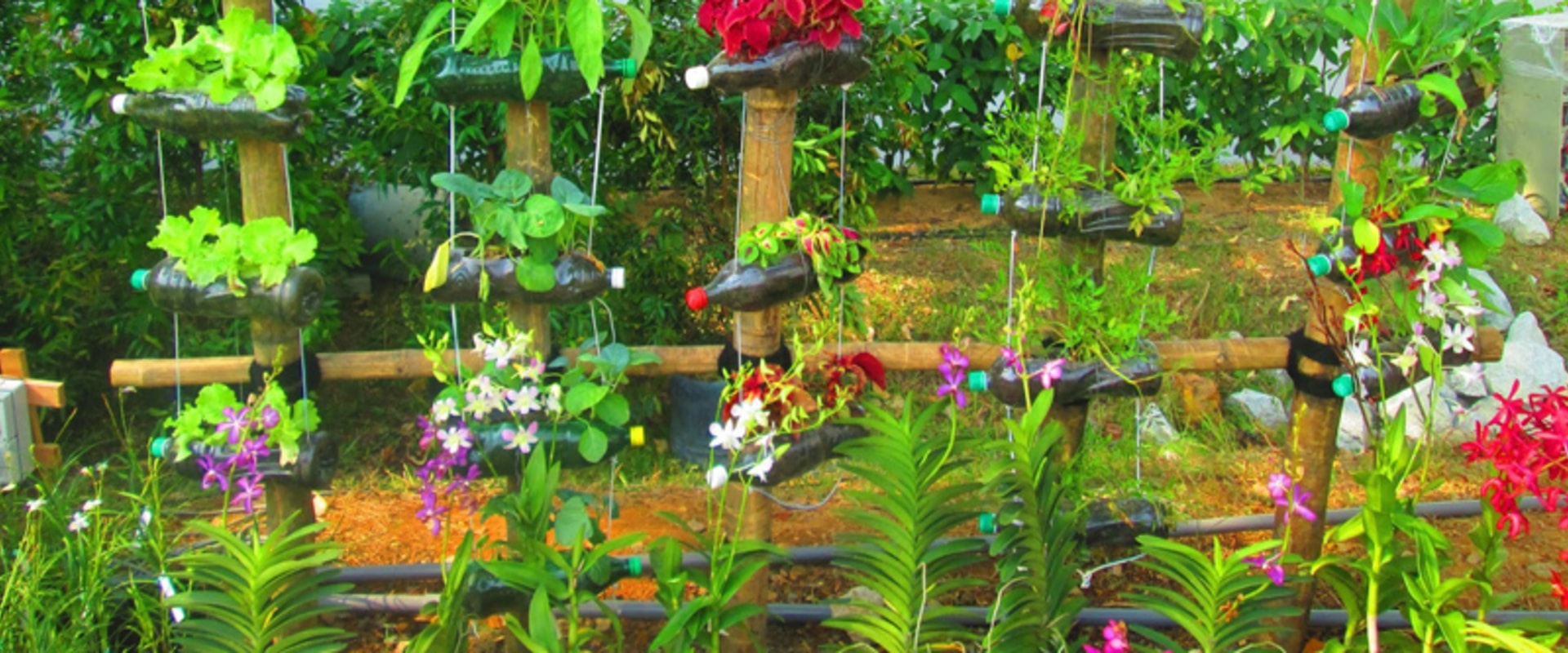
- Planters from Old Containers: Repurpose old buckets, tin cans, or even wooden crates as planters. With a bit of paint or varnish, these containers can become vibrant focal points in your garden.
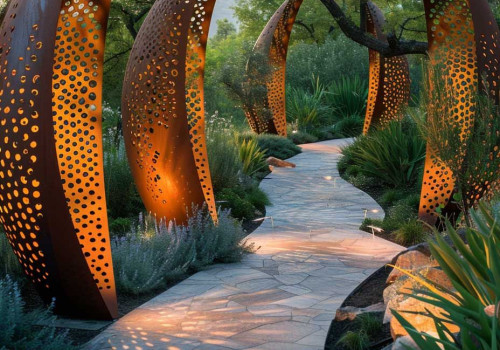
- Garden Sculptures: Use scrap metal or old tools to create striking sculptures. For instance, an old bicycle can be transformed into a whimsical planter, while rusted gears can be arranged into eye-catching art pieces.
- Glass Bottle Edging: Instead of traditional fencing, consider using glass bottles as garden borders.
Bury the bottoms in the soil to create a colourful and eco-friendly boundary that catches the light beautifully.
- Wooden Pallet Furniture: Old pallets can be upcycled into benches, tables, or even vertical gardens. Sand them down and apply a weather-resistant finish for durability.
- Hanging Garden Decor: Turn old teacups or plates into hanging bird feeders or wind chimes. This not only adds charm but also attracts wildlife to your garden.
Each piece tells a story and adds character to your outdoor space, making it truly one-of-a-kind.
Water Features with Recycled Materials
Incorporating recycled materials into your garden design can lead to stunning and eco-friendly water features. Not only do these features enhance the aesthetic appeal of your garden, but they also promote sustainability by utilising materials that would otherwise contribute to landfill waste.One popular option is to create a garden pond using reclaimed items. Old bathtubs, sinks, or even large containers can be transformed into unique ponds. Simply ensure that the chosen item is watertight and place it in a suitable location that receives adequate sunlight.Surround the pond with native plants to create a natural habitat for wildlife.Another innovative idea is to construct a fountain using recycled materials such as bricks, stones, or even old pipes. These materials can be arranged creatively to form a visually striking feature that recycles water efficiently. For instance, you can stack bricks to create a tiered fountain, allowing water to cascade down beautifully while providing soothing sounds.
- Benefits of Recycled Water Features:
- Eco-friendly: Reduces waste and promotes sustainability.
- Aesthetic Appeal: Adds unique character and charm to your garden.
- Wildlife Friendly: Attracts birds and beneficial insects.
You can use old barrels or containers to collect rainwater, which can then be pumped into your pond or fountain.In conclusion, creating water features with recycled materials not only enhances the beauty of your garden but also aligns with eco-friendly practices. By thinking creatively and using what you have at hand, you can design a stunning water feature that serves both aesthetic and ecological purposes.
Composting: Recycling Organic Waste for Your Garden
Composting is an essential practice for any garden enthusiast looking to recycle organic waste and enrich their soil. By transforming kitchen scraps and garden debris into nutrient-rich compost, you not only reduce landfill waste but also enhance the health of your plants.To get started with composting, consider the following tips:- Choose the Right Location: Select a dry, shady spot in your garden that is easily accessible. This will make it convenient for you to add materials and turn the compost.
- Use a Compost Bin: Invest in a compost bin or create your own using wooden pallets or wire mesh.
A bin helps contain the materials and speeds up the decomposition process.
- Balance Green and Brown Materials: For effective composting, mix green materials (like fruit and vegetable scraps, grass clippings) with brown materials (such as dried leaves, cardboard, and paper). A good ratio is about 2:1 of brown to green.
- Aerate Your Compost: Turn your compost every few weeks to introduce oxygen, which is crucial for the decomposition process. This will help speed up the breakdown of materials and prevent unpleasant odours.
- Monitor Moisture Levels: Your compost should be moist but not soggy. If it’s too dry, add water; if it’s too wet, add more brown materials to absorb excess moisture.
This homemade compost not only improves soil structure but also enhances its ability to retain moisture and nutrients, leading to healthier plants.Incorporating composting into your garden design is a sustainable way to recycle organic waste while providing your plants with the nourishment they need to thrive. Start small, and as you become more comfortable with the process, you can expand your composting efforts to include more materials from your home and garden.
Frequently Asked Questions about Recycled Materials in Gardening
When considering the incorporation of recycled materials into your garden design, several common questions often arise. Here are some frequently asked questions that can help clarify your doubts:- What types of recycled materials can I use in my garden?
There are numerous options available, including reclaimed wood for raised beds, old bricks for pathways, and even glass bottles for edging. Each material can add a unique aesthetic while promoting sustainability. - Are recycled materials safe for plants?
Generally, most recycled materials are safe; however, it’s essential to ensure that they are free from harmful chemicals.For instance, avoid using treated wood that may leach toxins into the soil.
- How can I creatively use recycled materials?
You can create stunning garden features such as vertical gardens using old pallets, or use tyres as planters. The possibilities are limited only by your imagination! - Will using recycled materials save me money?
Yes, incorporating recycled materials can significantly reduce costs associated with purchasing new materials. Additionally, many items can be sourced for free or at a low cost from local recycling centres or community groups. - How do I maintain recycled materials in my garden?
Maintenance will depend on the type of material used. For example, wooden structures may require regular treatment to prevent rot, while stone or brick pathways may need occasional weeding.
Not only does this practice contribute to a more sustainable environment, but it also allows for creativity and personal expression in your outdoor space.
Conclusion: Embracing Sustainability in Your Garden Design
Incorporating recycled materials into your garden design is not just a trend; it is a vital step towards achieving sustainability in garden and landscaping. By utilising items that would otherwise contribute to landfill waste, you can create a unique and environmentally friendly space that reflects your values.Throughout this article, we have explored various innovative ways to integrate recycled materials into your garden. From using reclaimed wood for raised beds to repurposing old bricks for pathways, the possibilities are endless. Each method not only enhances the aesthetic appeal of your garden but also promotes a sustainable lifestyle.Moreover, embracing recycled materials can lead to significant cost savings.Many of these materials are readily available at little to no cost, allowing you to allocate your budget towards other essential aspects of your landscaping project. This approach encourages creativity and resourcefulness, enabling you to design a garden that is both functional and visually striking.As we move forward in an era where environmental consciousness is paramount, it is crucial to consider the impact of our choices on the planet. By choosing to incorporate recycled materials into your garden design, you are not only enhancing your outdoor space but also contributing positively to the environment.In conclusion, the integration of recycled materials into your garden and landscaping efforts is a powerful way to promote sustainability. It allows you to create a beautiful, functional space while reducing waste and conserving resources.
As you embark on your gardening journey, remember that every small change can make a significant difference in fostering a greener future.