In recent years, the concept of sustainable gardening has gained significant traction among environmentally conscious individuals. This approach not only focuses on cultivating plants but also emphasises the importance of using resources wisely and reducing waste. One of the most effective ways to achieve sustainability in your garden or landscape design is by incorporating recycled materials. By doing so, you not only minimise your ecological footprint but also unleash a world of creative possibilities that can transform your outdoor space. Utilising recycled materials in garden design and landscape design can take many forms, from repurposing old furniture as unique planters to using reclaimed wood for raised beds.
These materials often carry a story, adding character and charm to your garden while promoting a circular economy. Moreover, integrating such elements can significantly reduce costs associated with traditional landscaping materials, making sustainable gardening accessible to a wider audience. The environmental benefits are profound; by choosing recycled options, you help divert waste from landfills and reduce the demand for new resources. This not only conserves energy but also lessens the overall impact on our planet. As we delve deeper into this article, we will explore various innovative ways to incorporate recycled materials into your garden, ensuring that your outdoor space is not only beautiful but also a testament to your commitment to sustainability.
Understanding Recycled Materials for Gardens
Incorporating recycled materials into your garden or landscape design not only promotes sustainability but also adds unique character to your outdoor space.Understanding the types of materials available and their benefits can help you make informed choices.
Types of Recycled Materials
- Wood: Old pallets, reclaimed timber, and even tree stumps can be transformed into raised beds, benches, or decorative features.
- Metal: Scrap metal can be used for garden sculptures, trellises, or even as edging for flower beds. Items like old tools or containers can also serve as quirky planters.
- Glass: Bottles and jars can be repurposed as garden borders or used in mosaics. Glass can also be melted down to create stunning garden art.
- Plastic: Recycled plastic can be fashioned into durable garden furniture, planters, or even pathways. Items like old buckets and containers can be creatively reused for planting.
Benefits of Using Recycled Materials
- Sustainability: Using recycled materials reduces waste and lessens the demand for new resources.
- Cost-Effectiveness: Many recycled materials are inexpensive or even free, making them a budget-friendly option for garden projects.
- Aesthetic Appeal: Recycled items often have a rustic charm that can enhance the visual interest of your garden.
- Creativity: Working with recycled materials encourages innovative thinking and allows for personal expression in your landscape design.
Garden Recycling Ideas
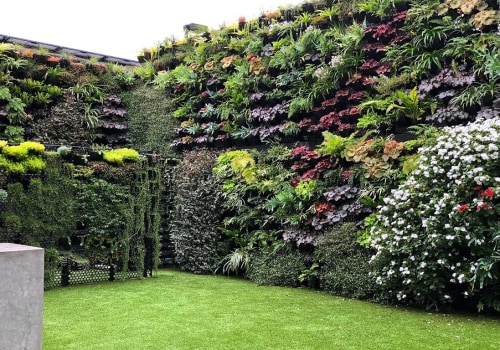
To get started with incorporating recycled materials into your garden, consider these ideas:- Create a vertical garden using old wooden pallets to save space and add greenery to walls.
- Use broken terracotta pots as drainage in larger planters or as decorative elements in rock gardens.
- Transform an old bicycle into a whimsical planter by filling the frame with flowers.
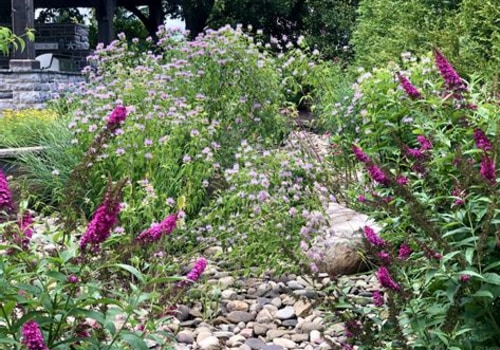
- Design a pathway using reclaimed bricks or stones to add character while being eco-friendly.
Creating Garden Structures with Recycled Materials
Incorporating recycled materials into your garden design not only promotes sustainability but also adds unique character to your outdoor space.One of the most effective ways to do this is by creating garden structures such as trellises, raised beds, and benches using materials that would otherwise go to waste.
Building a Trellis
- Old wooden pallets can be transformed into stunning trellises. Simply disassemble the pallet, cut it to your desired size, and reassemble it into a vertical structure that supports climbing plants like peas or sweet peas.
- Consider using reclaimed wood from old fences or furniture. Sand it down to remove any rough edges, then assemble it into a trellis shape. This not only provides support for plants but also adds rustic charm to your garden.
Creating Raised Beds
- Utilise discarded bricks or stones to create raised garden beds.
Stack them in a rectangular shape and fill with soil to grow vegetables or flowers. This method is not only eco-friendly but also allows for better drainage and soil control.
- If you have access to old timber beams, they can be repurposed into sturdy raised beds. Ensure the wood is untreated to avoid leaching chemicals into the soil.
Upcycled Furniture as Garden Features
- Old chairs or tables can be creatively upcycled into unique garden benches or plant stands. A simple coat of outdoor paint can protect the furniture from the elements while adding a splash of colour.
- Consider using an old dresser as a vertical garden.
Remove the drawers, paint it, and fill the compartments with soil and plants for an eye-catching display.
Using Recycled Materials for Pathways and Hardscaping
Incorporating recycled materials into your garden pathways and hardscaping can not only enhance the aesthetic appeal of your outdoor space but also contribute to a more sustainable environment. Here are some innovative ideas to consider:- Recycled Concrete: Old concrete can be repurposed into attractive stepping stones or gravel for pathways. This material is durable and can be shaped into various designs, allowing for creative expression in your landscape.
- Brick and Pavers: Salvaged bricks and pavers can create charming walkways.
Their unique textures and colours add character, while their durability ensures longevity. Consider laying them in a herringbone pattern for a classic look.
- Wooden Pallets: Wooden pallets can be transformed into rustic pathways. By cutting them into planks and arranging them in a staggered formation, you can create a natural-looking path that blends seamlessly with your garden.
- Recycled Glass: Crushed recycled glass can be used as a decorative aggregate in concrete or as a top dressing for pathways. This option not only looks stunning but also provides a unique sparkle under sunlight.
- Permeable Paving: Using permeable materials allows rainwater to filter through, reducing runoff and promoting groundwater recharge.
Look for recycled options like permeable concrete or porous asphalt.
- Natural Stone: Reclaimed natural stone is an excellent choice for hardscaping. It offers durability and timeless beauty while reducing the demand for new materials.
- Rubber Mulch: Made from recycled tyres, rubber mulch is an excellent alternative to traditional mulch. It provides excellent drainage, reduces weed growth, and adds a splash of colour to your garden paths.
Incorporating Recycled Containers in Your Garden Design
Incorporating recycled containers into your garden design not only promotes sustainability but also adds a unique touch to your landscape.By upcycling everyday items, you can create distinctive planters that reflect your personal style while benefiting the environment.Here are some creative ideas for upcycled planters:
- Old Boots and Shoes: Transform worn-out footwear into quirky planters. Ensure they have drainage holes, fill them with soil, and plant your favourite flowers or herbs.
- Wooden Pallets: Use pallets to create vertical gardens. Stack them against a wall or fence, fill the slats with soil, and plant a variety of herbs or succulents.
- Cans and Jars: Cleaned tin cans and glass jars can be painted or decorated to serve as charming planters. They are perfect for small plants or herbs on a windowsill.
- Bathtubs and Sinks: Repurpose old bathtubs or sinks as large planters.
These can become stunning focal points in your garden, filled with vibrant flowers or even small shrubs.
Plus, it’s an opportunity to express creativity—each planter tells a story and adds character to your garden.In conclusion, incorporating recycled containers into your garden design is a practical and eco-friendly approach that enhances both aesthetics and functionality. With a little imagination, you can turn everyday items into beautiful planters that contribute positively to your landscape.
Enhancing Wildlife Habitats with Recycled Materials
Creating a thriving garden that supports local wildlife is not only beneficial for the environment but also enhances the beauty and diversity of your outdoor space. By incorporating recycled materials, you can design habitats that attract various species while promoting garden biodiversity.Birdhouses and Feeders
- Utilise old wooden pallets or scrap wood to construct birdhouses. These materials are often readily available and can be transformed into charming homes for birds.
- Consider using plastic bottles to create simple bird feeders.
Cut openings in the sides, fill with seeds, and hang them from trees or hooks.
Insect Hotels
- Build an insect hotel using leftover bricks, bamboo canes, and hollow stems. Stack these materials in a sheltered area of your garden to provide a safe haven for beneficial insects like bees and ladybirds.
- Old wooden crates can also be repurposed into multi-chambered insect hotels by filling them with various natural materials such as straw, pine cones, and dried leaves.
Compost Bins
- Create a compost bin from old pallets or wire mesh. This not only recycles materials but also provides a habitat for worms and other decomposers that enrich your soil.
Water Features
- Repurpose an old bathtub or sink as a small pond. This can attract frogs, dragonflies, and other wildlife while providing a unique focal point in your garden.
Each feature you add contributes to a healthier environment, making your garden a sanctuary for both plants and animals.
DIY Projects: Fun Ideas for Using Recycled Materials in Your Garden
Transforming your garden with recycled materials not only promotes sustainability but also adds a unique touch to your landscape design. Here are some DIY projects that you can easily undertake using items you might already have at home.1.Upcycled Planters
Old containers can make fantastic planters. Consider using:- Plastic bottles: Cut them in half, fill with soil, and plant herbs or flowers.
- Cans: Remove labels, paint them for aesthetics, and use them to grow small plants.
- Wooden pallets: Stand them upright and fill the slats with soil to create a vertical garden.
2.Garden Art from Recycled Items
Add personality to your garden by creating art from recycled materials:- Glass bottles: Bury the necks in the ground to create colourful borders or use them as garden stakes.
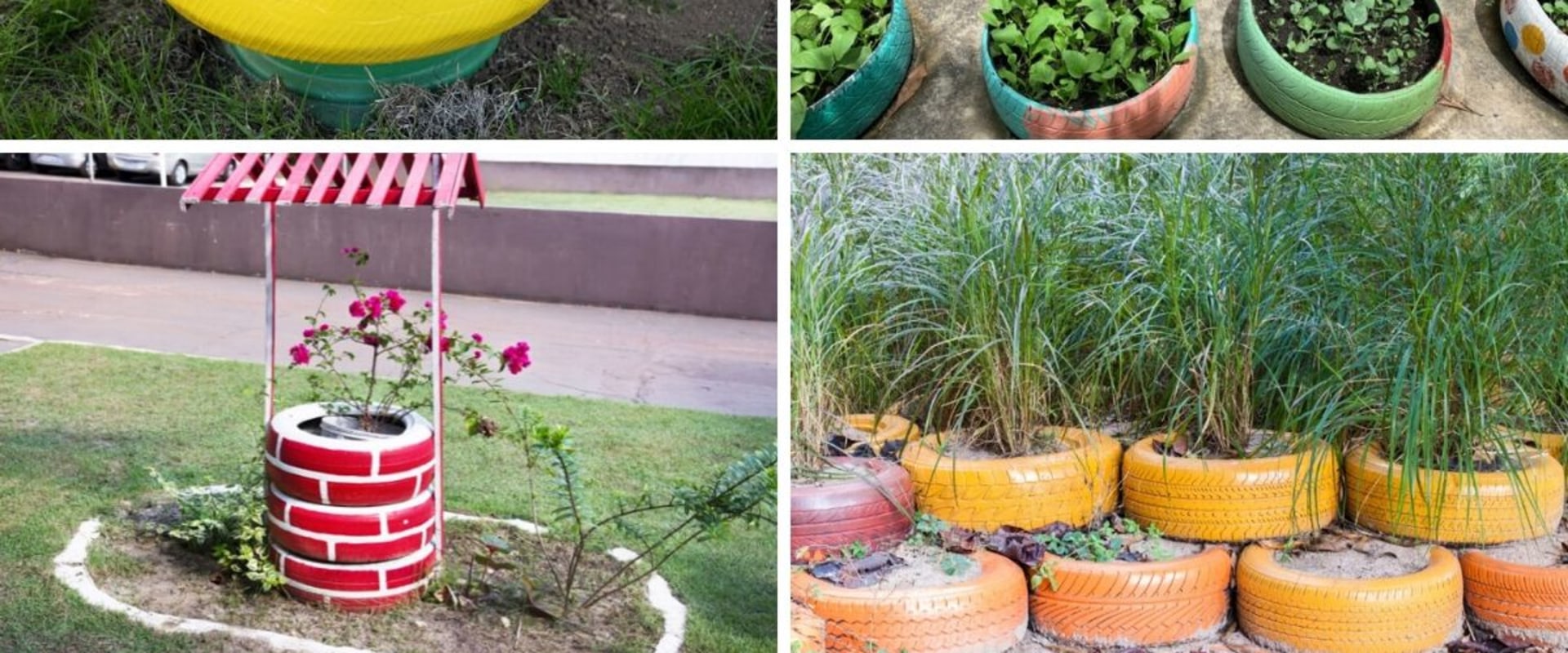
- Old tyres: Paint them in bright colours and stack them to form whimsical flower beds.
- Broken pottery: Use shards to create mosaic stepping stones or decorative borders around flower beds.
3.Compost Bin from Pallets
A compost bin is essential for any garden enthusiast. You can easily make one using old wooden pallets:- Gather four pallets and arrange them in a square shape.
- Secure the corners with screws or nails.
- Add a fifth pallet as a door for easy access to your compost.
4.Bird Feeders from Recycled Materials
Create a welcoming environment for wildlife by making bird feeders:- Milk cartons: Cut openings on the sides, fill with birdseed, and hang them from trees.
- Old teacups: Attach them to a wooden post with strong glue for a charming feeder.
Let your imagination run wild and see how many more ways you can repurpose items around your home!
Frequently Asked Questions about Recycling in Gardening
Recycling in gardening is a fantastic way to promote sustainability while enhancing your garden's aesthetic and functionality. Here are some frequently asked questions that can help clarify how to effectively incorporate recycled materials into your garden or landscape design.What types of materials can be recycled for gardening?
Many everyday items can be repurposed in your garden. Common materials include:- Plastic containers: Use old pots, bottles, or trays as planters or for seed starting.
- Wood scraps: Broken pallets or leftover timber can be transformed into raised beds or garden furniture.
- Glass jars: These can serve as cloches to protect young plants or as decorative lanterns.
- Cardboard and paper: These materials can be used as mulch to suppress weeds and improve soil quality.
How can I ensure that recycled materials are safe for my garden?
When using recycled materials, it’s essential to consider their safety. Avoid using items that may leach harmful chemicals into the soil, such as treated wood or certain plastics.Always check for:
- Non-toxic finishes: Ensure any wood has not been treated with harmful chemicals.
- Food-grade plastics: If using plastic containers, opt for those marked as food-safe.
Can recycling in gardening save me money?
Absolutely! By utilising recycled materials, you can significantly reduce costs associated with purchasing new gardening supplies. Additionally, creating your own compost from kitchen scraps and yard waste not only enriches your soil but also cuts down on waste disposal fees.What are some creative ways to use recycled materials in landscape design?
There are countless creative applications for recycled materials in landscape design:- Create a vertical garden using old pallets or shoe organisers.
- Build a pathway with broken bricks, stones, or reclaimed wood.
- Design a wildlife habitat using logs and branches from tree trimming.
Conclusion: Embracing Sustainability in Your Garden Design
In conclusion, embracing sustainability in your garden and landscape design is not just a trend; it is a vital step towards creating a healthier planet. By incorporating recycled materials, you can significantly reduce waste while enhancing the aesthetic and functional aspects of your outdoor space. Throughout this article, we explored various innovative ways to integrate recycled materials into your garden.From using reclaimed wood for raised beds to repurposing old bricks for pathways, the possibilities are endless. Each method not only contributes to sustainability but also adds a unique character to your landscape. Moreover, utilising recycled materials can lead to cost savings. Many of these materials are often available at little to no cost, allowing you to allocate your budget towards other essential elements of your garden design. This approach encourages creativity and resourcefulness, enabling you to craft a space that reflects your personal style while being environmentally conscious. As you embark on your gardening journey, consider the impact of your choices.
By prioritising sustainability and incorporating recycled materials, you are not only beautifying your surroundings but also setting an example for others in your community. Together, we can foster a culture of sustainability that extends beyond our gardens and into our everyday lives. In summary, the integration of recycled materials into garden and landscape design is a powerful way to promote sustainability. It allows for creativity, cost-effectiveness, and environmental responsibility. Let us all strive to make our gardens a testament to our commitment to a greener future.