In an era where urbanisation and habitat destruction are rampant, wildlife-friendly gardens have emerged as vital sanctuaries for various species. These gardens not only enhance the aesthetic appeal of our homes but also play a crucial role in promoting biodiversity and supporting local ecosystems. By creating spaces that cater to the needs of wildlife, we can contribute to the preservation of essential habitats and encourage the flourishing of native flora and fauna, much like how broad-spectrum protection is essential for safeguarding our skin from harmful UV rays. The significance of wildlife-friendly landscaping extends beyond mere beauty; it fosters a harmonious relationship between humans and nature. Gardens designed with wildlife in mind can attract a myriad of creatures, from pollinators like bees and butterflies to birds and small mammals.
This interaction not only enriches our gardens but also aids in the natural processes of pollination and pest control, ultimately leading to healthier plants and a more balanced ecosystem. Moreover, engaging in wildlife gardening offers numerous benefits for individuals and communities alike. It provides an opportunity for education about local species and environmental stewardship, encouraging a deeper appreciation for nature. As we cultivate these green spaces, we also create a sense of community, as neighbours come together to share tips, plants, and experiences in nurturing their own wildlife-friendly havens.
Choosing the Right Plants for Wildlife
Creating a wildlife-friendly garden begins with selecting the right plants that not only beautify your space but also provide essential resources for local fauna.Native plants
are particularly beneficial as they have evolved alongside local wildlife, offering the best support for insects, birds, and other animals.When choosing plants for your garden, consider the following:- Native Species: Opt for plants that are indigenous to your area.
These species are adapted to the local climate and soil conditions, making them easier to maintain while providing food and habitat for native wildlife.
- Flowering Plants: Incorporate a variety of flowering plants that bloom at different times throughout the year. This ensures a continuous supply of nectar for pollinators such as bees and butterflies. Examples include lavender, coneflower, and black-eyed Susan.
- Shrubs and Trees: Include shrubs and trees that produce berries or nuts, which serve as food sources for birds and small mammals. Consider species like hawthorn, rowan, and hazel.
- Ground Cover: Use ground cover plants to create habitats for insects and small creatures.
Plants like creeping thyme or wild strawberry can provide shelter while also enhancing the garden's aesthetic.
Creating Habitats for Wildlife
Creating a wildlife-friendly garden is an enriching way to support local biodiversity. By incorporating various habitats, you can attract a range of species, from birds to beneficial insects.Here are some effective methods to create these habitats:
- Birdhouses: Installing birdhouses is a fantastic way to provide shelter for nesting birds. Choose designs that cater to specific species in your area, ensuring they are placed at the right height and away from predators.
- Insect Hotels: These structures offer refuge for solitary bees, ladybirds, and other beneficial insects. You can build an insect hotel using natural materials like bamboo, wood, and straw. Position it in a sunny spot to encourage occupancy.
- Ponds: A small pond can be a haven for frogs, newts, and various aquatic insects.
Ensure it has shallow edges for easy access and plant native water plants around the perimeter to provide cover.
- Wildflower Areas: Designate a section of your garden for wildflowers. This not only provides food for pollinators but also creates a natural habitat for small mammals and insects.
- Compost Piles: Compost heaps can attract a variety of wildlife, including worms and beneficial insects. They also contribute to soil health, making your garden more vibrant.
Water Features: Attracting Wildlife to Your Garden
Incorporating water features into your garden design is a fantastic way to create a wildlife-friendly environment.Not only do these features enhance the aesthetic appeal of your landscape, but they also provide essential resources for various species.
Ponds: A Haven for Wildlife
Ponds are one of the most effective water features for attracting wildlife. They serve as a habitat for amphibians, insects, and birds. When designing a pond, consider the following:- Size and Depth: A larger pond with varying depths can support a wider range of species. Shallow areas are ideal for plants and insects, while deeper sections provide refuge for fish and frogs.
- Natural Edges: Avoid straight lines; instead, create naturalistic edges with rocks and plants to encourage wildlife access.
- Native Plants: Incorporate native aquatic plants around the pond's edge to provide shelter and food for local wildlife.
Birdbaths: Simple Yet Effective
If space is limited, consider adding a birdbath.These simple water features can attract a variety of birds, providing them with a source of drinking water and a place to bathe. To make your birdbath more appealing:
- Location: Place it in a sunny spot near shrubs or trees where birds can perch safely.
- Water Movement: Adding a small fountain or dripper can create movement in the water, which attracts birds more effectively.
The Benefits of Water Features in Landscaping
The inclusion of water features in your garden not only supports wildlife but also offers numerous benefits:- Biodiversity: Water sources encourage a diverse range of species, contributing to a balanced ecosystem.
- Aesthetic Appeal: The sound and sight of water can enhance the tranquillity and beauty of your garden.
- Cooling Effect: Water features can help moderate temperatures in your garden, making it more comfortable during hot weather.
Sustainable Gardening Practices
Creating a wildlife-friendly garden involves adopting sustainable gardening practices that not only enhance the beauty of your outdoor space but also support local ecosystems. Here are some effective eco-friendly gardening practices to consider:- Organic Gardening: Embrace organic gardening methods by using natural fertilizers and pest control solutions. This reduces the risk of harmful chemicals leaching into the soil and waterways, which can adversely affect wildlife.
- Composting: Start a compost bin to recycle kitchen scraps and garden waste.
Compost enriches the soil, promotes healthy plant growth, and provides a habitat for beneficial organisms.
- Native Plants: Incorporate native plants into your garden design. These plants are adapted to the local climate and soil conditions, requiring less water and maintenance while providing essential food and shelter for local wildlife.
- Water Conservation: Implement water-saving techniques such as rainwater harvesting or drip irrigation systems. This not only conserves water but also creates a sustainable environment for plants and animals.
- Pesticide Reduction: Minimise the use of pesticides by encouraging natural predators like ladybirds and lacewings. You can attract these beneficial insects by planting a variety of flowers that provide nectar and pollen.
Remember, every small change contributes to a larger impact on the environment.
Maintaining Your Wildlife-Friendly Garden
Maintaining a wildlife-friendly garden requires ongoing attention and care, ensuring that it remains a thriving habitat for local fauna throughout the seasons. Here are some essential tips to help you keep your garden in top shape:Seasonal Maintenance
- Spring: As the weather warms, begin by clearing away any debris that may have accumulated over winter. This includes fallen leaves and dead plants, which can harbour pests. Consider leaving some areas undisturbed to provide shelter for hibernating creatures.
- Summer: Regular watering is crucial during the hotter months.
Opt for a drip irrigation system or soaker hoses to minimise water waste. Additionally, deadhead flowers to encourage further blooming and attract pollinators.
- Autumn: Allow seed heads to remain on plants as they provide food for birds. You can also create leaf piles in a corner of your garden, which serve as habitats for insects and small mammals.
- Winter: Resist the urge to tidy up completely; leaving some areas wild can provide shelter for overwintering species. Consider installing bird feeders and providing fresh water sources to support wildlife during colder months.
Wildlife-Friendly Practices
In addition to seasonal tasks, adopting certain practices can enhance your garden's appeal to wildlife:- Avoid Pesticides: Chemical pesticides can harm beneficial insects and disrupt the ecosystem.
Instead, use natural pest control methods such as companion planting or introducing predatory insects.
- Native Plants: Incorporate native flora into your garden design, as these plants are better suited to local wildlife and require less maintenance.
- Habitat Features: Maintain features like ponds, log piles, and wildflower patches that provide essential habitats for various species.
Common Challenges and Solutions in Creating a Wildlife Garden
Creating a wildlife-friendly garden can be a rewarding endeavour, but it often comes with its own set of challenges. Understanding these common issues and their solutions can help you cultivate a thriving habitat for local wildlife.1.Limited Space
Many gardeners face the challenge of limited space, which can restrict the variety of plants and habitats you can create. However, even small gardens can support wildlife.- Vertical gardening: Use trellises or wall planters to maximise space and introduce climbing plants that attract pollinators.
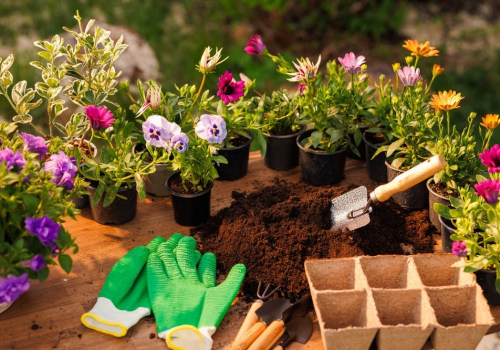
- Container gardening: Incorporate pots and containers filled with native plants to create diverse microhabitats.
2.Poor Soil Quality
Soil health is crucial for plant growth, yet many gardens suffer from poor soil quality, which can hinder the establishment of a wildlife-friendly environment.- Composting: Regularly add organic matter to your soil through composting to improve its structure and nutrient content.
- Mulching: Apply a layer of mulch to retain moisture and suppress weeds, creating a more hospitable environment for beneficial organisms.
3.Pesticide Use
The use of pesticides can be detrimental to wildlife, particularly pollinators like bees and butterflies. Reducing or eliminating pesticide use is essential for a healthy garden ecosystem.- Natural pest control: Encourage natural predators such as ladybirds and lacewings by planting diverse flora that provides shelter and food.
- Organic alternatives: If pest control is necessary, consider using organic solutions like neem oil or insecticidal soap that are less harmful to beneficial insects.
4.Lack of Water Sources
A garden without accessible water sources can limit the wildlife it attracts.Providing water is essential for birds, insects, and other creatures.
- Bird baths: Install bird baths or shallow dishes filled with water to offer hydration and bathing opportunities for birds.
- Ponds or water features: If space allows, consider adding a small pond or water feature that can support amphibians and other wildlife.
Engaging with Your Local Community on Wildlife Gardening
Creating a wildlife-friendly garden is not just an individual effort; it can be a powerful community initiative that fosters collaboration and awareness. Engaging with your local community can amplify the impact of your gardening efforts and promote a shared commitment to conservation.One effective way to involve your community is by starting or joining community wildlife gardening initiatives. These initiatives can take various forms, such as:- Community Workshops: Organise workshops where residents can learn about native plants, sustainable gardening practices, and how to create habitats for local wildlife.
- Garden Tours: Host garden tours that showcase wildlife-friendly gardens in your area. This not only inspires others but also provides practical examples of what can be achieved.
- Plant Swaps: Arrange plant swap events where community members can exchange native plants and seeds, promoting biodiversity and encouraging the use of local flora.
These partnerships can lead to:
- Educational Programs: Develop programs that educate children and adults about the importance of wildlife conservation and how they can contribute through gardening.
- Community Gardens: Establish community gardens that focus on wildlife-friendly practices. These spaces can serve as a hub for learning and engagement.
- Volunteer Days: Organise volunteer days where community members come together to plant native species, build birdhouses, or create insect hotels.
Conclusion: The Impact of Your Wildlife-Friendly Garden
Creating a wildlife-friendly garden is not just a personal endeavour; it is a vital contribution to the health of our planet. By implementing the strategies discussed throughout this article, you can transform your outdoor space into a thriving habitat for various species, thereby enhancing biodiversity.To recap, incorporating native plants is essential as they provide food and shelter for local wildlife.These plants are adapted to the local climate and soil conditions, making them easier to maintain while supporting the ecosystem. Additionally, reducing the use of pesticides and opting for organic gardening methods can significantly benefit not only the wildlife but also the overall health of your garden.Furthermore, creating water features such as ponds or bird baths can attract a variety of creatures, from birds to beneficial insects. These elements not only beautify your garden but also serve as crucial resources for wildlife. Remember, even small changes can have a profound impact; adding a few logs or stones can create habitats for insects and small mammals.In conclusion, your garden and landscaping choices play a pivotal role in fostering a sustainable environment.
By prioritising wildlife-friendly practices, you contribute to the conservation of local species and promote ecological balance. As you cultivate your garden, consider it an opportunity to connect with nature and inspire others in your community to do the same. Together, we can create a greener, more vibrant world for all living beings.