Colour plays a pivotal role in garden design, influencing not only the aesthetic appeal but also the emotional resonance of outdoor spaces. A well-thought-out colour scheme can transform a mundane garden into a vibrant sanctuary, inviting visitors to engage with nature in a more profound way. Understanding how colour relates to s the purpose of gardening extends beyond mere decoration; it serves as a tool for creating atmosphere, guiding the eye, and even evoking specific feelings. For instance, warm colours like reds and yellows can energise a space, while cool tones such as blues and greens often promote calmness and relaxation. Understanding the principles of garden design is essential for harnessing the power of colour effectively.
By considering factors such as seasonal changes, plant selection, and spatial arrangement, gardeners can create a dynamic palette that evolves throughout the year. This not only enhances visual interest but also ensures that the garden remains engaging across different seasons. The emotional impact of garden colours cannot be underestimated; they can uplift spirits, provide comfort, and even inspire creativity. Therefore, incorporating a variety of hues thoughtfully can lead to a more fulfilling gardening experience. As we delve deeper into the various ways to add colour to your garden throughout the year, it becomes clear that each choice contributes to a larger narrative.
Whether through flowering plants, foliage variations, or decorative elements, every splash of colour tells a story and invites interaction. Embracing this concept will not only enrich your garden's aesthetic but also enhance your connection to this living space.
Seasonal Planting for Year-Round Colour
Creating a vibrant garden that offers year-round colour requires careful planning and an understanding of seasonal planting. By selecting the right plants for each season, you can ensure that your garden remains lively and visually appealing throughout the year.Spring
is a time of renewal, and it’s the perfect season to introduce a burst of colour. Consider planting daffodils, tulips, and hyacinths, which are known for their bright blooms.
These bulbs can be planted in autumn for a stunning spring display. Additionally, primroses and pansies can add early colour to your garden beds.As we transition into summer , the garden can be filled with a rich palette of colours. Plants such as roses, lavender, and sunflowers thrive in the warm weather, providing not only beauty but also fragrance. Incorporating perennials like coneflowers and daylilies ensures that your garden remains vibrant year after year.
Autumn
brings a different kind of beauty with its warm hues.
Consider planting Asters, which bloom late in the season, or chrysanthemums, which provide a stunning array of colours. Ornamental grasses can also add texture and movement to your garden as they sway in the breeze.Finally, in winter , while many plants may be dormant, there are still options to maintain interest. Evergreens such as holly, boxwood, and pine trees provide structure and colour during the colder months. Additionally, consider planting winter-flowering shrubs like winter jasmine or sarcococca, which can brighten up the dreary winter landscape.
Tips for Successful Seasonal Planting:
- Select plants that are suited to your climate: Research local conditions to choose plants that will thrive.
- Create layers: Use a mix of heights and textures to add depth to your garden.
- Diversity is key: Incorporate a variety of plants to ensure continuous blooms throughout the seasons.
- Plan ahead: Consider planting bulbs in autumn for spring blooms and choose perennials that will return each year.
Incorporating Annuals and Perennials for Dynamic Colour
When it comes to adding vibrant colour to your garden, understanding the differences between annuals and perennials is essential.Annuals are plants that complete their life cycle in one growing season, while perennials return year after year, often becoming more robust with age. This distinction allows gardeners to create a dynamic display of colour throughout the seasons.
Best Annual Flowers
- Petunias: Known for their wide range of colours and patterns, petunias bloom from spring until the first frost, making them a favourite for summer gardens.
- Marigolds: These hardy flowers not only add a splash of orange and yellow but also help deter pests, making them a practical choice for any garden.
- Zinnias: With their bright hues and long-lasting blooms, zinnias are perfect for adding a cheerful touch to borders and containers.
- Cosmos: These delicate flowers sway beautifully in the breeze and can bloom from early summer until autumn, providing a soft yet vibrant colour palette.
Best Perennial Flowers
- Lavender: Not only does lavender offer stunning purple blooms, but its fragrance also attracts pollinators, enhancing the overall garden experience.
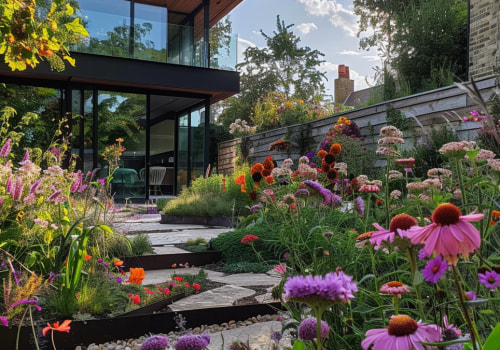
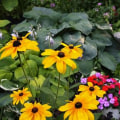
- Echinacea (Coneflower): This resilient flower thrives in various conditions and provides striking pink or purple blooms that last throughout the summer.
- Daylilies: With their wide variety of colours and ability to thrive in different soil types, daylilies are a reliable choice for consistent summer colour.
- Hostas: While primarily known for their foliage, hostas produce lovely flowers that can add subtle colour to shaded areas of your garden.
Utilising Foliage for Year-Round Interest
When considering ways to enhance the visual appeal of your garden throughout the year, foliage plants play a crucial role. Unlike flowers that bloom for a limited time, many plants offer stunning leaves that can provide colour and texture in every season.Evergreen Plants
- Holly (Ilex aquifolium) - Known for its glossy green leaves and bright red berries, holly adds a festive touch during winter months.
- Boxwood (Buxus spp.) - This versatile shrub maintains its rich green colour year-round and can be shaped into various forms, making it a popular choice for formal gardens.
- Laurel (Prunus laurocerasus) - With its large, dark green leaves, laurel provides a lush backdrop and can thrive in shaded areas.
Colourful Leaves
- Japanese Maple (Acer palmatum) - Renowned for its stunning foliage, this tree showcases vibrant reds and oranges in autumn, while its delicate leaves add elegance in spring and summer.
- Heuchera - Also known as coral bells, these perennial plants come in a variety of colours, including deep purples and bright greens, providing a striking contrast against other garden elements.
- Smoke Bush (Cotinus coggygria) - This shrub features unique purple foliage that turns fiery red in autumn, creating a dramatic focal point in any garden.
By selecting the right combination of foliage, you can create a dynamic landscape that offers interest even when flowers are not in bloom.
The Role of Hardscaping in Enhancing Garden Colour
When considering ways to add colour to your garden, hardscaping plays a crucial role in enhancing the overall aesthetic. Elements such as paths, walls, and garden furniture can serve as a backdrop that highlights the vibrant hues of your plants and flowers.Paths
are not just functional; they can also be a canvas for colour. Using materials like coloured gravel, bricks, or natural stone can create striking contrasts with the greenery and blooms in your garden. For instance, a warm-toned path can make cooler plant colours pop, while a neutral path can provide a subtle base that allows bright flowers to shine.Garden walls
and raised beds can also contribute significantly to the colour palette of your outdoor space.By choosing materials that complement or contrast with your plants, you can create visual interest. For example, a rustic wooden wall can enhance the natural beauty of flowering vines, while a sleek stone wall may provide a modern touch that accentuates contemporary plant selections.
Garden furniture
, such as benches and tables, offers another opportunity to introduce colour. Opting for painted metal or brightly stained wood can add cheerful accents to your garden. Consider using cushions or throws in bold patterns and colours to further enhance the vibrancy of these structures.Incorporating colour in hardscaping is not just about aesthetics; it also creates a cohesive design that ties together various elements of your garden.By thoughtfully selecting hardscaping materials and colours, you can ensure that your garden remains visually appealing throughout the seasons.Ultimately, the right combination of hardscaping features will not only support the growth of your plants but also elevate the overall beauty of your garden space.
Creative Use of Garden Accessories and Decor
Enhancing your garden's aesthetics can be achieved through the creative use of garden accessories and decor. These elements not only add colour but also reflect your personal style, making your outdoor space more inviting.1.Vibrant Pots and Planters
- Choose pots in bold colours such as bright reds, yellows, or blues to create focal points throughout your garden.
- Mix and match different sizes and shapes to add visual interest. For instance, a cluster of small, colourful pots can create a lively display.
- Consider using decorative planters made from materials like ceramic or metal that can withstand the elements while adding a splash of colour.
2.Sculptures and Art Installations
- Incorporate sculptures that feature vibrant hues or interesting designs. These can serve as conversation starters and draw the eye.
- Look for pieces that complement your garden's theme, whether it's whimsical garden gnomes or elegant abstract art.
- Position sculptures strategically to enhance sightlines and create a sense of depth in your garden.
3.Decorative Lighting
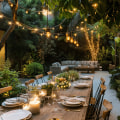
- Add colourful lighting options such as string lights or lanterns to create a magical atmosphere during the evening hours.
- Consider solar-powered lights that come in various colours, which can illuminate pathways or highlight specific plants.
- Use uplighting to cast shadows and create dramatic effects on trees or garden features, enhancing the overall aesthetic.
4.Textiles and Fabrics
- Incorporate colourful cushions, throws, or outdoor rugs to add comfort and style to seating areas within your garden.
- Select fabrics with bold patterns or bright colours that can withstand outdoor conditions while providing a pop of colour.
- Consider using fabric bunting or flags to add a festive touch during special occasions or gatherings.
Planning for Seasonal Changes: A Yearly Calendar for Garden Colour
Creating a vibrant garden that showcases colour throughout the year requires careful planning and an understanding of seasonal changes.By developing a garden colour calendar, you can ensure that your outdoor space remains lively and inviting, no matter the season.
Spring: Awakening with Blooms
- Start with early bloomers like crocuses, daffodils, and tulips. These flowers will provide a burst of colour as winter fades.
- Incorporate perennials such as bleeding hearts and lilies, which will return year after year, adding depth to your spring display.
- Consider planting flowering shrubs, like forsythia, to create a backdrop of colour as the season progresses.
Summer: A Palette of Vibrancy
- Add annuals such as petunias, marigolds, and zinnias for a riot of colour during the warmer months.
- Utilise foliage plants like hostas and heucheras, which provide texture and contrast to flowering plants.
- Diversify your garden with climbing plants such as wisteria or clematis, which can add vertical interest and vibrant hues.
Autumn: Rich Hues and Textures
- Select plants that showcase autumnal colours, such as maple trees, which turn stunning shades of red and gold.
- Add late-blooming flowers like asters and sedge grasses, which can extend the colour palette into late autumn.
- Incorporate ornamental grasses for movement and texture, enhancing the overall aesthetic as leaves fall.
winter: Subtle Beauty and Structure
- Select evergreens such as boxwood or holly, which provide structure and greenery during the colder months.
- Add winter-flowering plants like winter jasmine, which can brighten up the dreary landscape.
- Create visual interest with decorative elements such as bird feeders or sculptures that stand out against the winter backdrop.
Conclusion:
A well-planned garden colour calendar not only enhances the beauty of your outdoor space but also ensures that you enjoy a dynamic landscape throughout the year. By selecting a variety of plants that bloom in different seasons, you can create a garden that is both visually appealing and full of life, no matter the time of year.
FAQs About Adding Colour to Your Garden Throughout the Year
Adding colour to your garden throughout the year can transform your outdoor space into a vibrant oasis. Here are some frequently asked questions that can guide you in achieving a colourful garden.How can I add colour to my garden?
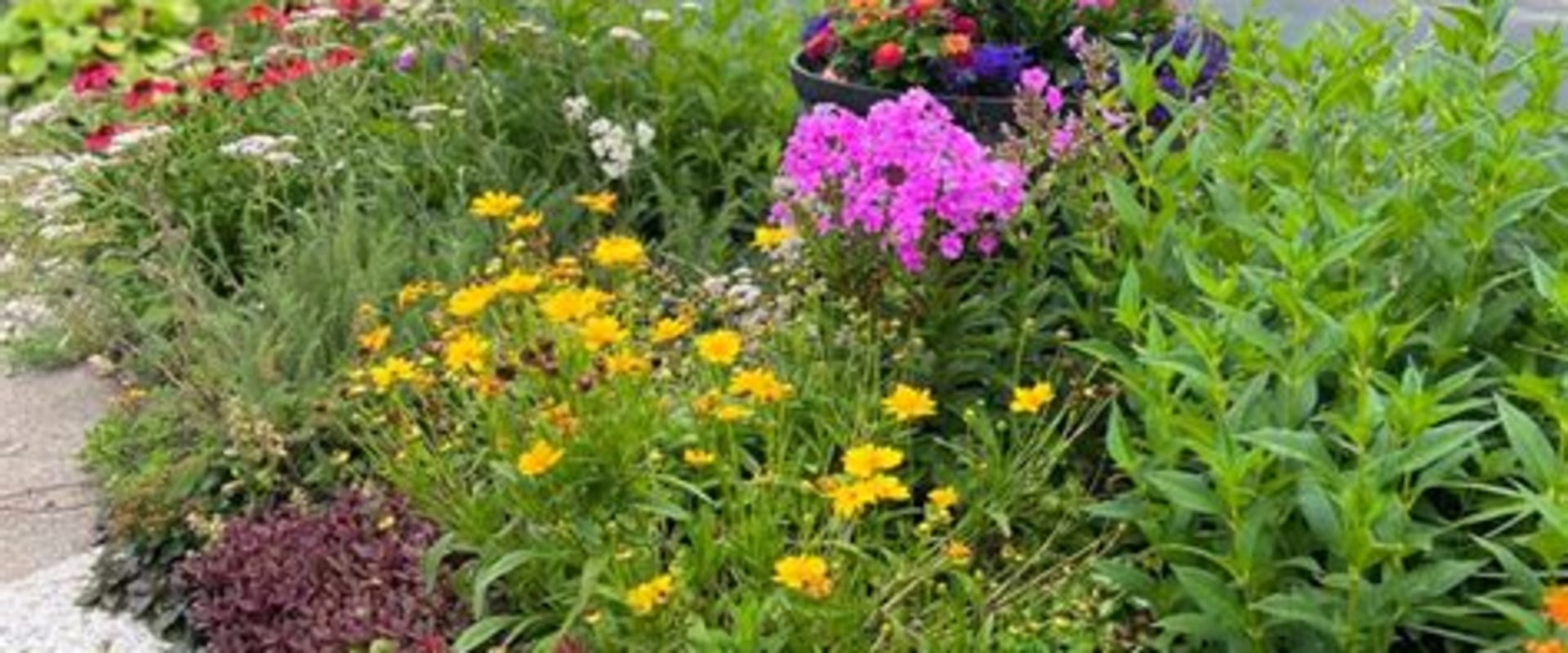
To effectively add colour to your garden, consider the following strategies:- Choose a variety of plants: Incorporate a mix of annuals, perennials, and shrubs that bloom at different times of the year.
- Utilise seasonal interest: Select plants that provide colour in different seasons, such as spring bulbs, summer flowers, autumn foliage, and winter evergreens.
- Add decorative elements: Use colourful pots, garden furniture, and ornaments to enhance the overall aesthetic.
What are the best plants for year-round colour?
Some excellent choices for maintaining colour throughout the year include:- Spring: Daffodils, tulips, and hyacinths.
- Summer: Geraniums, petunias, and lavender.
- Autumn: Asters, chrysanthemums, and ornamental grasses.
- Winter: Hellebores, winter jasmine, and holly.
What tips can help create a colourful garden?
Here are some practical tips to ensure your garden remains vibrant:- Plan for succession: Choose plants that bloom at different times to ensure continuous colour.
- Create focal points: Use bold colours or unique plant shapes to draw attention to specific areas.
- Layer your planting: Combine tall plants with shorter ones to create depth and visual interest.
Conclusion: Embracing Colour for a Lively Garden Experience
In conclusion, incorporating colour into your garden is not just about aesthetics; it plays a vital role in creating a vibrant and inviting outdoor space.Throughout the year, various plants and design elements can be utilised to ensure that your garden remains lively and engaging, regardless of the season. As we have explored, selecting a diverse range of seasonal flowers can provide bursts of colour during spring and summer. Consider planting daffodils, tulips, and sunflowers for a cheerful display. In autumn, the rich hues of chrysanthemums and ornamental grasses can create a warm atmosphere, while winter can be brightened with evergreens and winter-flowering shrubs.Moreover, the strategic use of hardscaping elements, such as painted fences, colourful pots, and decorative stones, can enhance the overall visual appeal of your garden. These features not only add colour but also provide structure and interest throughout the year. To truly embrace colour in your garden, consider the following tips:
- Plan for year-round interest: Choose plants that bloom at different times to ensure continuous colour.
- Create focal points: Use bold colours in specific areas to draw attention and create visual impact.
- Mix textures: Combine plants with varying leaf shapes and sizes to add depth to your colour scheme.
So, take the plunge and start experimenting with colour today—your garden will thank you!.