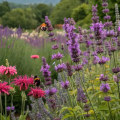
Creating a pet-friendly garden is not just a trend; it’s a necessity for responsible pet owners. As our furry companions explore their surroundings, the garden becomes an extension of their home, where they play, relax, and even nibble on plants. Therefore, understanding the importance of a safe garden for pets is crucial in ensuring their well-being and happiness. Many common garden plants can be toxic to pets, leading to serious health issues if ingested. Additionally, certain landscaping features, such as sharp stones or chemicals used for pest control, can pose risks to curious paws and noses.
By prioritising pet safety in gardens, you not only protect your pets but also create a harmonious environment where they can thrive. This involves selecting non-toxic plants, using safe materials, and designing spaces that cater to their natural behaviours. Moreover, a well-thought-out garden can enhance the bond between you and your pets. Imagine a space where they can roam freely without the constant worry of potential hazards. By investing time and effort into creating a pet-friendly landscape, you are not only safeguarding your beloved animals but also enriching their lives with a safe haven to explore and enjoy.
Choosing Safe Plants for Your Garden
Creating a garden that is safe for your pets begins with selecting the right plants.Many common garden plants can be toxic to dogs and cats, so it’s essential to be informed about which species are safe and which should be avoided.
Safe Plants for Pets
- Marigolds: These vibrant flowers not only add colour to your garden but are also non-toxic to both dogs and cats.
- Spider Plant: Known for its air-purifying qualities, the spider plant is safe for pets and easy to care for.
- Bamboo Palm: This plant is pet-friendly and can thrive indoors or outdoors, providing a tropical feel to your garden.
- Petunias: These cheerful blooms are safe for pets and can attract beneficial pollinators to your garden.
- Boston Fern: A lush addition to any garden, Boston ferns are non-toxic and help improve air quality.
Toxic Plants to Avoid
While many plants are safe, some can pose serious health risks to your furry friends. Here are a few common toxic plants:- Lilies: Particularly harmful to cats, ingestion can lead to kidney failure.
- Aloe Vera: While beneficial for humans, it can cause vomiting and lethargy in pets.
- Foxglove: This beautiful plant is highly toxic and can affect the heart if ingested by dogs or cats.
- Oleander: All parts of this plant are toxic and can be fatal if consumed.
- Sago Palm: Extremely toxic to dogs, even small amounts can lead to severe liver damage.
Designing a Secure Garden Layout
Creating a secure garden layout is essential for ensuring the safety of your pets while allowing them to enjoy the outdoors.A well-planned garden can prevent pets from escaping and protect them from potential hazards.When designing your garden, consider the following key elements:
- Fencing Options: Choose a robust fencing solution that suits your pet's size and behaviour. For smaller dogs or cats, a fence height of at least 1.2 metres is advisable, while larger breeds may require taller fences. Options include:
- Wooden Fences: Durable and aesthetically pleasing, wooden fences can be customised to fit your garden's style.
- Chain Link Fences: Cost-effective and easy to install, these fences provide visibility while keeping pets contained.
- Picket Fences: Ideal for smaller pets, picket fences can be both decorative and functional.
- Invisible Fencing: This option uses a buried wire to create a boundary that pets learn to avoid, but it may not be suitable for all animals.
Secure Areas:
Designate specific areas within your garden where pets can play safely. Consider creating a pet-friendly zone with soft grass or artificial turf, away from potentially harmful plants or chemicals.
You might also want to include:
- Shade Structures: Provide shaded areas where pets can rest during hot weather.
- Pet Play Equipment: Incorporate agility equipment or toys that encourage physical activity without compromising safety.
Landscaping Considerations:
When selecting plants for your garden, ensure they are non-toxic to pets. Avoid common hazardous plants such as lilies, azaleas, and foxgloves. Instead, opt for pet-safe options like:
- Bamboo
- Pansies
- Marigolds
Creating Safe Outdoor Spaces for Play and Relaxation
Creating a garden that is both beautiful and safe for your pets involves thoughtful planning and design. By establishing designated play areas and relaxation spaces, you can ensure that your furry friends have a secure environment to enjoy the outdoors.Designated Play Areas
- Fenced Zones: Consider installing a secure fence around specific areas of your garden.
This not only keeps your pets safe from wandering off but also protects them from potential hazards outside your property.
- Soft Surfaces: Use materials like grass, mulch, or rubber mats in play areas to provide a comfortable surface for your pets. Avoid gravel or sharp stones that could injure their paws.
- Toys and Obstacles: Incorporate pet-friendly toys and agility equipment to stimulate your pets mentally and physically. Items like tunnels, balls, and climbing structures can enhance their play experience.
Relaxing Spaces for Dogs
- Shaded Areas: Create shaded spots using trees, pergolas, or umbrellas where your pets can retreat from the sun. This is essential for preventing overheating during warm days.
- Comfortable Resting Spots: Provide soft bedding or pet-friendly furniture in these areas.
A cozy nook with a blanket can be an inviting place for your dog to relax after playtime.
- Aromatherapy Plants: Consider planting non-toxic herbs like lavender or chamomile. These can create a calming atmosphere for both you and your pets while ensuring safety in the garden.
Avoiding Harmful Chemicals in Your Garden
Creating a pet-safe garden begins with understanding the potential dangers posed by various gardening chemicals. Many common products, such as pesticides, herbicides, and fertilisers, can be harmful to pets if ingested or absorbed through their skin.Therefore, it is crucial to choose pet-safe gardening chemicals or, better yet, adopt organic gardening practices that eliminate the need for harmful substances.When selecting gardening products, look for labels that specify they are non-toxic and safe for pets. Many brands now offer organic alternatives that use natural ingredients to deter pests and promote plant health without risking your furry friends' safety. For instance, consider using:
- Neem oil: A natural pesticide derived from the seeds of the neem tree, effective against a variety of pests.
- Diatomaceous earth: A non-toxic powder that can help control insects without harming pets.
- Corn gluten meal: A natural herbicide that prevents weed growth while being safe for animals.
Techniques such as composting, crop rotation, and companion planting can enhance your garden's resilience against pests naturally. By fostering a balanced ecosystem, you reduce the need for chemical interventions altogether.Lastly, educate yourself about common plants that are toxic to pets. For example, lilies, azaleas, and certain types of ivy can pose serious health risks if ingested. By avoiding these plants and opting for pet-friendly alternatives like marigolds or sunflowers, you can create a beautiful garden that is also a safe haven for your beloved companions.
Maintaining a Clean and Safe Garden Environment
Creating a clean garden environment is essential for the health and safety of your pets.Regular maintenance not only keeps your garden looking its best but also prevents potential hazards that could harm your furry friends.
1.Regular Cleaning
- Make it a habit to pick up pet waste daily. This not only keeps your garden clean but also reduces the risk of parasites and diseases.
- Remove any fallen leaves, twigs, or debris that could pose a choking hazard or create hiding spots for pests.
- Check for and dispose of any toxic plants or weeds that may have crept into your garden.
2.Safe Garden Hygiene
- Use pet-safe cleaning products when washing garden tools or surfaces. Many conventional cleaners can be harmful if ingested by pets.
- Ensure that any fertilizers or pesticides used are labelled as safe for pets. Opt for organic options whenever possible to minimise chemical exposure.
3.Regular Maintenance Tips
- Keep grass trimmed to a manageable height to prevent ticks and other pests from taking up residence.
- Regularly inspect fences and gates to ensure they are secure, preventing pets from escaping or encountering dangers outside.
- Create designated play areas with safe surfaces, such as grass or mulch, to provide a comfortable space for your pets to enjoy.
A little effort goes a long way in ensuring that your garden remains a healthy haven for both you and your beloved animals.
Frequently Asked Questions About Pet-Friendly Gardens
Creating a pet-friendly garden is essential for ensuring the safety and happiness of your furry friends. Here are some frequently asked questions that can help guide you in designing a safe outdoor space.What plants are safe for pets?
When selecting plants for your garden, it’s crucial to choose those that are non-toxic to pets. Some safe options include:- Marigolds
- Sunflowers
- Basil
- Spider plants
- Petunias
How can I keep my pets safe from garden chemicals?
Many common garden chemicals, such as pesticides and herbicides, can be toxic to pets. To ensure their safety:- Opt for organic gardening methods whenever possible.
- If you must use chemicals, apply them when pets are not present and allow sufficient time for them to dry or dissipate.
- Store all chemicals securely out of reach of pets.
What features should I include in a pet-friendly garden?
A well-designed pet-friendly garden should include:- Shaded areas for pets to cool off during hot weather.
- A secure fence to prevent escapes and protect against wildlife.
- Paw-friendly surfaces, such as grass or soft mulch, to protect their paws.
- A designated area for pets to play and explore safely.
Remember, a little planning goes a long way in ensuring their well-being while enjoying the great outdoors!
Conclusion: Key Takeaways for a Safe Pet-Friendly Garden
Creating a pet-friendly garden is essential for ensuring the safety and well-being of your furry companions. As we have discussed, there are several key considerations to keep in mind when designing your outdoor space.Prioritise Safety
First and foremost, it is crucial to choose non-toxic plants. Many common garden plants can be harmful or even fatal to pets if ingested. Always research and select flora that is safe for your specific pets, such as marigolds, sunflowers, and petunias.Secure the Environment
Next, consider the layout of your garden.Ensure that any potential hazards, such as sharp tools, chemicals, or toxic mulch, are stored safely out of reach. Additionally, installing secure fencing can prevent pets from wandering off and encountering dangers outside your property.
Provide Comfort and Enrichment
A pet-friendly garden should also offer comfort and stimulation. Create shaded areas where pets can relax during hot weather, and incorporate features like water bowls or small ponds for hydration. Furthermore, consider adding play areas with safe toys or agility equipment to keep them engaged.Regular Maintenance
Lastly, regular maintenance is vital.Keep the garden free from debris and check for any signs of pests or diseases that could affect both plants and pets. Regularly inspect your garden for any new plants that may have been introduced by birds or wind that could pose a risk. In conclusion, by prioritising safety, securing the environment, providing comfort, and maintaining your garden diligently, you can create a beautiful outdoor space that is not only enjoyable for you but also a safe haven for your beloved pets.