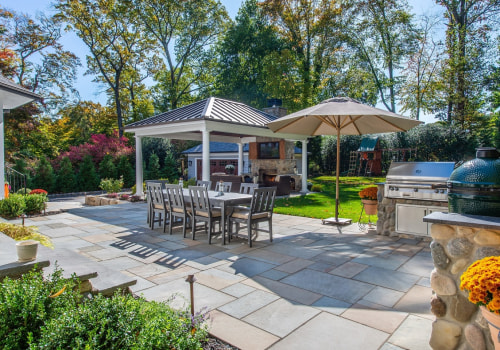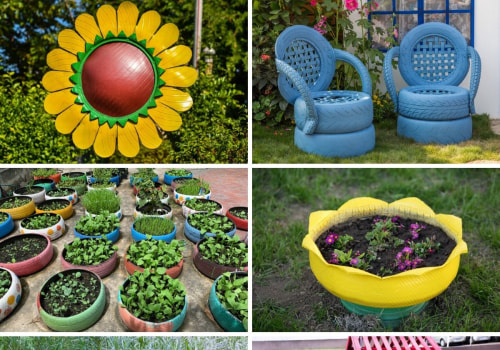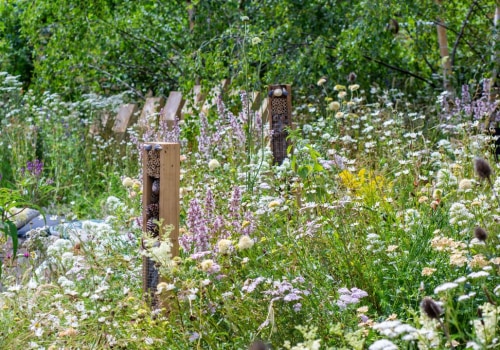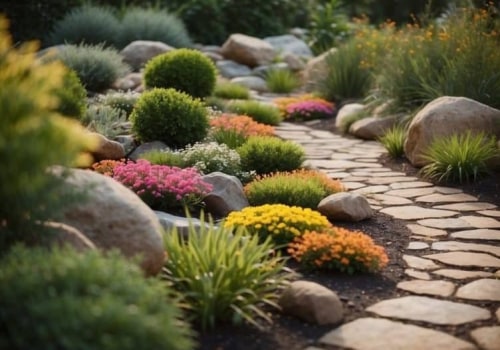
Incorporating seating areas into your garden or outdoor space is not merely an aesthetic choice; it plays a crucial role in enhancing the overall experience of your garden. These designated spots serve as a sanctuary for relaxation, allowing individuals to unwind amidst the beauty of nature. Whether it’s a simple bench nestled under a tree or a more elaborate patio set, seating areas invite you to pause and appreciate the tranquillity that your garden offers. Moreover, garden seating fosters social interaction, transforming your outdoor space into a hub for gatherings and celebrations. Imagine hosting friends for an afternoon tea or enjoying a quiet evening with family around a fire pit.
The right seating arrangement can encourage conversation and connection, making your garden not just a visual delight but also a functional space for creating memories. Additionally, well-designed seating areas can significantly enhance the aesthetic appeal of your outdoor environment. By thoughtfully integrating seating into your landscape design, you can create focal points that draw the eye and complement the natural surroundings. From rustic wooden benches to modern lounge chairs, the choices are endless, allowing you to express your personal style while ensuring comfort and usability. Ultimately, understanding the importance of seating areas in gardens is essential for anyone looking to maximise their outdoor space. By prioritising these elements, you can create an inviting atmosphere that not only beautifies your garden but also enriches your lifestyle.
Choosing the Right Location for Your Seating Area
When planning your garden and landscaping, selecting the right location for your seating area is crucial to enhance both comfort and enjoyment.Here are some key factors to consider:
- Sunlight: Observe how sunlight moves across your garden throughout the day. If you prefer a sun-drenched spot for morning coffee, choose a location that receives ample morning light. Conversely, if you enjoy afternoon shade, position your seating area under the canopy of trees or near tall hedges.
- Privacy: Consider the level of privacy you desire. If your garden is overlooked by neighbours, opt for a secluded corner or create a natural barrier using plants or trellises.
This not only provides a sense of intimacy but also enhances the overall aesthetic of your outdoor space.
- Views: Take advantage of any scenic views your garden offers. Positioning seating areas to face beautiful landscapes, flower beds, or water features can significantly enhance your outdoor experience. A well-placed bench or chair can become a focal point that invites relaxation.
- Accessibility: Ensure that your seating area is easily accessible from your home and other parts of the garden. Pathways should be clear and well-defined, allowing for smooth movement without disrupting the natural flow of the landscape.
- Wind Protection: Consider the prevailing winds in your area.
If your garden tends to be breezy, look for locations that offer some shelter, such as near walls or dense shrubbery. This will make your seating area more comfortable during windy days.
Types of Seating Options for Gardens
When designing a garden or outdoor space, selecting the right seating options is crucial for creating a comfortable and inviting atmosphere. Here are some popular types of seating to consider:- Benches: A classic choice, benches can be made from various materials such as wood, metal, or recycled plastic. They provide ample seating and can be placed against walls or under trees for shade.
- Chairs: From traditional wooden chairs to modern metal designs, outdoor chairs come in numerous styles.
Look for weather-resistant options that complement your garden's aesthetic.
- Hammocks: Perfect for relaxation, hammocks add a touch of leisure to any garden. They can be hung between trees or on a sturdy frame, offering a unique way to enjoy your outdoor space.
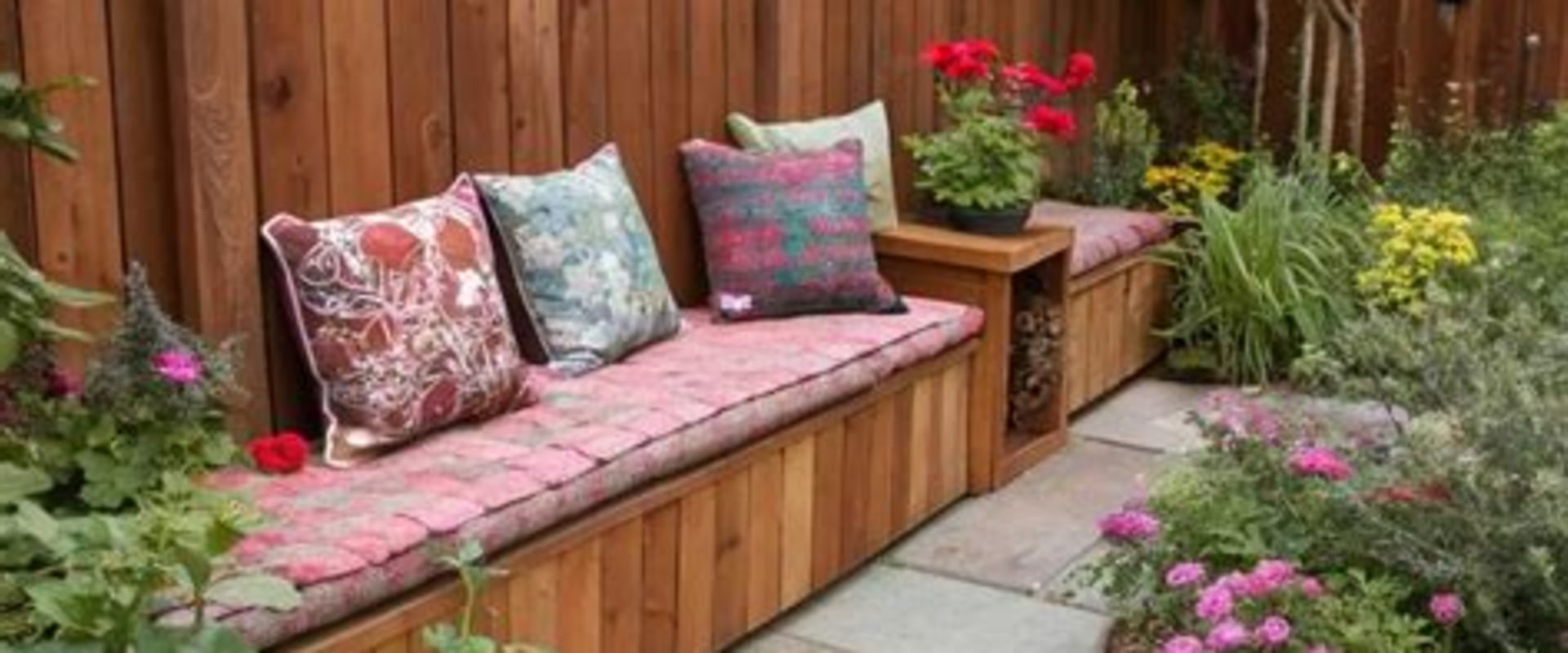
- Built-in Seating: For a more permanent solution, consider built-in seating such as stone benches or seating walls. These can be integrated into the landscape design and provide a seamless look.
- Wood: Timeless and versatile, wood offers natural beauty but requires regular treatment to withstand the elements.
- Metal: Aluminium and wrought iron are durable choices that can withstand harsh weather conditions.
They often come in various finishes to suit different styles.
- Plastic: Recycled plastic furniture is an eco-friendly option that is resistant to fading and easy to clean, making it ideal for busy gardens.
Incorporating Natural Elements into Your Seating Area
Creating a seating area that harmoniously blends with the surrounding natural elements can transform your garden into a serene retreat. Here are some innovative ideas to incorporate nature into your outdoor seating spaces:- Utilise Existing Trees: Position your seating area beneath a large tree to provide natural shade and a sense of enclosure. This not only enhances comfort but also integrates the seating with the landscape.
- Plant Surroundings: Surround your seating area with native plants and flowers.
This not only attracts local wildlife but also creates a vibrant backdrop that changes with the seasons, making your space feel alive.
- Water Features: Consider adding a small pond or fountain near your seating area. The sound of flowing water can create a calming atmosphere, while also attracting birds and other wildlife, enhancing the natural feel of your garden.
- Natural Materials: Choose seating made from sustainable materials such as reclaimed wood, bamboo, or stone. These materials not only blend seamlessly with the environment but also promote an eco-friendly approach to garden design.
- Incorporate Natural Textures: Use cushions and throws in earthy tones and textures that mimic the surrounding landscape. This adds comfort while maintaining a connection to nature.
Whether you opt for rustic benches or elegant stone seating, the key is to ensure that your choices complement the existing landscape, fostering a sense of peace and connection with the environment.
Creating a Cozy Atmosphere with Accessories and Decor
To transform your garden or outdoor space into a welcoming retreat, incorporating accessories and decor is essential. These elements not only enhance the aesthetic appeal but also create a cozy atmosphere that invites relaxation and enjoyment.Cushions and Throws
- Cushions are a simple yet effective way to add comfort to your seating areas. Opt for weather-resistant fabrics that can withstand the elements while providing a pop of colour.
- Throws can be draped over chairs or benches, offering warmth during cooler evenings. Choose soft, textured materials that encourage snuggling up with a good book or a loved one.
Lighting Options
- String lights can create a magical ambiance in your garden.
Hang them above seating areas or along pathways to guide guests and set a festive mood.
- Lanterns, whether solar-powered or traditional, add charm and warmth. Place them on tables or hang them from trees to illuminate your space.
- Consider using candles in decorative holders for an intimate setting. They not only provide light but also add a delightful fragrance to the air.
Decorative Elements
- Potted plants and flowers can enhance the beauty of your seating area. Choose vibrant blooms or lush greenery that complements your garden's overall theme.
- Outdoor rugs can define your seating space, adding colour and texture while making it feel more like an extension of your home.
- Art pieces, such as sculptures or wall hangings, can serve as focal points that reflect your personal style and invite conversation.
Designing Multi-Functional Outdoor Spaces
Creating multi-functional outdoor spaces is essential for maximising the utility and enjoyment of your garden.By thoughtfully designing seating areas that cater to various activities, you can transform your garden into a versatile haven for relaxation, dining, and entertaining.One effective approach is to incorporate modular seating. This allows you to rearrange furniture according to the occasion. For instance, a set of movable benches or chairs can be easily configured for a casual gathering or expanded for a larger dinner party. Consider using weather-resistant materials to ensure durability and comfort throughout the seasons.Another strategy is to create distinct zones within your garden.
You might designate one area for al fresco dining, complete with a table and chairs, while another section serves as a cozy lounge with comfortable seating and soft cushions. Using plants or decorative screens can help delineate these spaces without obstructing the overall flow of the garden.
- Incorporate built-in seating: Benches integrated into raised beds or around fire pits not only save space but also enhance the aesthetic appeal of your garden.
- Utilise vertical space: Hanging chairs or swings can add a playful element while providing additional seating options without taking up valuable ground space.
- Add multifunctional furniture: Look for tables that can double as storage or ottomans that can serve as extra seating when needed.
Maintaining Your Garden Seating Areas
To ensure your garden seating areas remain inviting and functional, regular maintenance is essential.Different materials require specific care to prolong their lifespan and maintain their aesthetic appeal.
Wooden Furniture Care
Wooden garden furniture, while beautiful, is susceptible to weathering. To protect it:- Clean regularly: Use a soft brush or cloth to remove dirt and debris. For deeper cleaning, a mild soap solution can be used.
- Apply protective finishes: Every couple of years, consider applying a wood preservative or sealant to guard against moisture and UV damage.
- Store during winter: If possible, store wooden furniture indoors during harsh weather to prevent cracking and warping.
Metal Furniture Maintenance
Metal seating can be durable but may rust if not properly cared for. Follow these tips:- Inspect for rust: Regularly check for signs of rust and treat them immediately with a wire brush and rust-inhibiting paint.
- Clean with care: Use a damp cloth to wipe down surfaces, avoiding abrasive cleaners that can scratch the finish.
- Cover when not in use: Use protective covers during inclement weather to shield against moisture.
Plastic and Resin Furniture
This type of furniture is often low-maintenance but still requires attention:- Wash with soap and water: A simple mixture of soap and water will keep plastic furniture looking fresh.
Avoid harsh chemicals that can cause discolouration.
- Avoid prolonged sun exposure: While many plastics are UV resistant, prolonged exposure can lead to fading. Consider moving them or using shade solutions.
FAQs About Garden Seating Areas
When planning your garden seating areas, you may have several questions. Here are some of the most frequently asked questions that can help guide your decisions:- What materials are best for outdoor seating? Choosing the right materials is crucial for durability and aesthetics.
Common options include wood, metal, and composite materials. Each has its own benefits; for instance, wood offers a natural look, while metal can provide a modern touch.
- How do I choose the right location for seating? Consider factors such as sunlight, shade, and proximity to other garden features. Ideally, your seating area should be in a spot that allows for comfortable relaxation while enjoying the views of your garden.
- What types of seating can I incorporate? Your options are vast! You can opt for traditional benches, deck chairs, or even built-in seating like stone walls. Each type can create a different atmosphere in your outdoor space.
- How can I make my seating area more inviting? Add cushions, throws, and decorative pillows to enhance comfort.
Incorporating elements like fairy lights, lanterns, or even a fire pit can create a warm and inviting atmosphere.
- What plants should I consider around my seating area? Select plants that complement your seating area without overwhelming it. Consider using fragrant flowers or low-maintenance shrubs to enhance the sensory experience.
Conclusion: Transforming Your Outdoor Space with Thoughtful Seating Design
In conclusion, creating inviting seating areas in your garden or outdoor space can significantly enhance its functionality and aesthetic appeal. By thoughtfully considering the layout, materials, and styles of seating, you can transform your garden into a welcoming retreat that encourages relaxation and social interaction. As we have explored, there are numerous ways to incorporate seating into your outdoor environment:- Choosing the Right Location: Positioning seating areas to take advantage of natural views or shade can make a significant difference in comfort and enjoyment.
- Material Selection: Opting for durable materials that complement your garden's style ensures longevity and harmony with the surrounding landscape.
- Incorporating Natural Elements: Using plants, flowers, and natural features like rocks or water can create a serene atmosphere that enhances the overall experience.
- Versatile Seating Options: Consider a mix of seating types, such as benches, chairs, and hammocks, to cater to different activities and preferences.
As you plan your ideal garden space, take the time to envision how each element will work together to create a cohesive and inviting atmosphere. Whether you prefer a tranquil nook for solitude or a lively gathering spot for friends and family, thoughtful seating design can elevate your outdoor experience. So, as you embark on your garden and landscaping journey, remember that every detail counts. Embrace creativity and let your outdoor space become an extension of your home where memories are made and cherished.