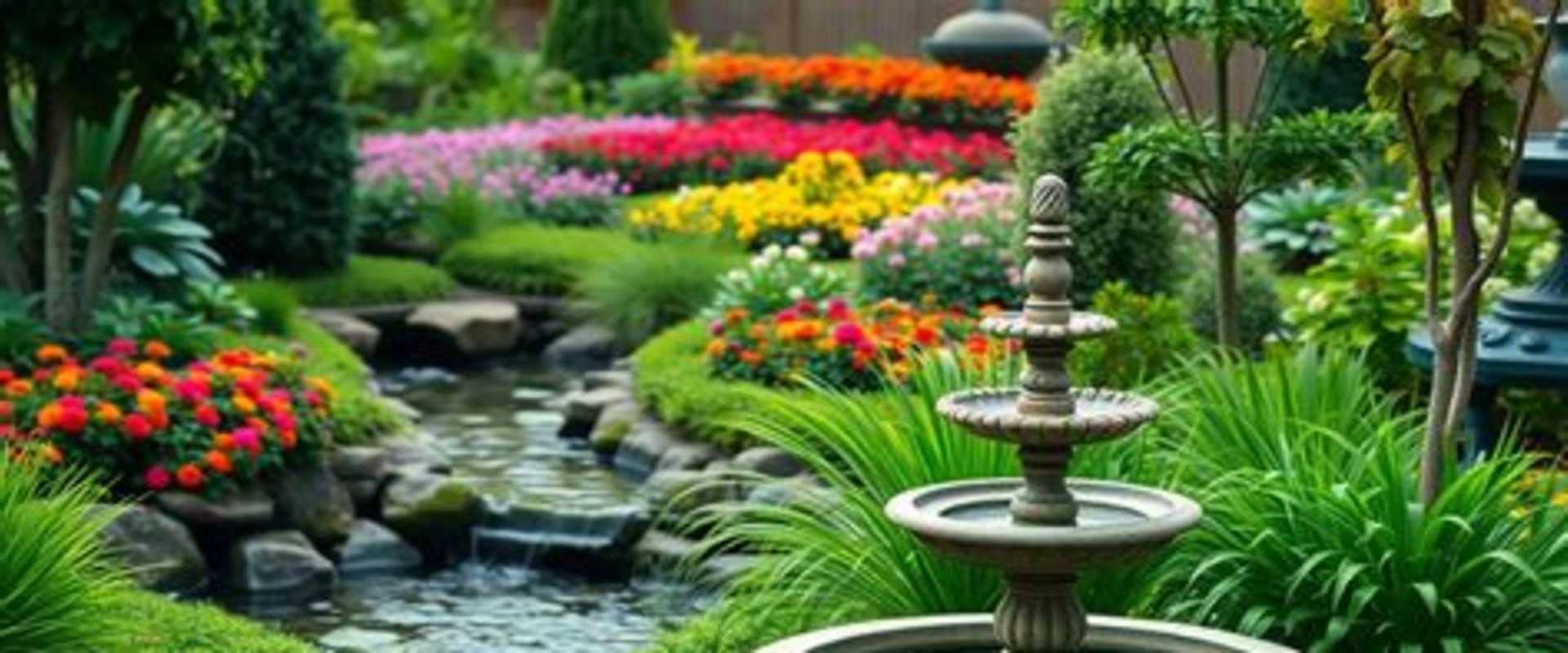
In the realm of garden and landscaping, the term hardscaping refers to the non-plant elements that form the structural foundation of a landscape design. This includes features such as paths, patios, walls, and other paved surfaces that not only enhance the aesthetic appeal of outdoor spaces but also serve practical purposes. By integrating hardscaping into your garden, you create defined areas that guide movement, provide functionality, and establish a cohesive look that complements the natural beauty of plants and greenery.The significance of hardscaping in landscape design cannot be overstated. It acts as a counterbalance to softscaping, which encompasses all living elements like flowers, shrubs, and trees.
While softscaping brings life and colour to your garden, hardscaping provides structure and form. For instance, a well-placed patio can serve as an inviting gathering space for family and friends, while a winding path can lead visitors through a beautifully curated garden, encouraging exploration and interaction with the landscape.Moreover, hardscaping can enhance the functionality of your outdoor space. It allows for better drainage, reduces soil erosion, and can even create microclimates that benefit certain plants. When thoughtfully designed, hardscaping elements can transform an ordinary garden into an extraordinary outdoor retreat, making it essential for anyone looking to elevate their landscape design.
Benefits of Hardscaping in Your Garden
Incorporating hardscaping into your garden design offers a multitude of benefits that enhance both the aesthetic appeal and functionality of your outdoor space.Here are some key advantages:
- Improved Aesthetics: Hardscaping elements such as patios, pathways, and retaining walls can create visual interest and structure in your garden. By using materials like stone, brick, or concrete, you can achieve a polished look that complements your plants and flowers.
- Enhanced Functionality: Hardscaping provides practical solutions for navigating your garden. Well-placed paths can guide visitors through your landscape, while patios offer a designated area for relaxation and entertainment. This functionality is essential for making the most of your outdoor space.
- Low Maintenance: One of the significant hardscaping benefits is the reduction in maintenance requirements compared to traditional landscaping.
Hard surfaces do not require watering, mowing, or fertilising, allowing you to enjoy your garden without the constant upkeep associated with grass and plants.
- Increased Property Value: A well-designed garden that incorporates hardscaping can significantly boost your property’s value. Potential buyers often appreciate the added functionality and aesthetic appeal of outdoor living spaces, making hardscaping a wise investment.
- Erosion Control: Hardscaping can help manage soil erosion by stabilising slopes and directing water runoff. This is particularly beneficial in areas prone to heavy rainfall, ensuring that your garden remains intact and healthy.
Types of Hardscaping Elements
When considering hardscaping elements for your garden and landscaping design, it’s essential to explore the various types available.Each element serves a unique purpose and can significantly enhance the aesthetic and functional aspects of your outdoor space.
Types of Hardscaping Elements
- Paths: Garden paths are crucial for guiding visitors through your landscape. They can be made from a variety of materials, including gravel, stone, or concrete. Each material offers a different look and feel, allowing you to create a path that complements your garden's style.
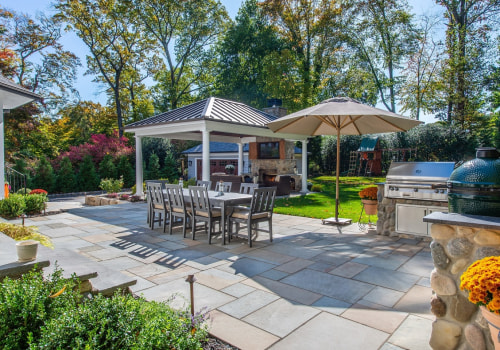
- Patios: A well-designed patio can serve as an outdoor living area, perfect for entertaining or relaxing. Options range from traditional flagstone to modern pavers, each providing distinct textures and colours.
Consider the layout and size to ensure it fits seamlessly into your garden.
- Walls: Retaining walls not only provide structural support but also add visual interest. They can be constructed from natural stone, brick, or concrete blocks, allowing for creative designs that enhance the overall landscape.
- Decks: Wooden or composite decks offer a versatile space for outdoor activities. They can be elevated or ground-level, providing options for different terrains and views.
Hardscape Materials
The choice of materials is vital in hardscaping.Natural stone
, such as slate or granite, brings a timeless elegance but may require more maintenance.Concrete, on the other hand, is durable and can be stamped or stained to mimic other materials while being cost-effective.
Brick
offers a classic look and is highly durable, making it suitable for paths and patios alike. Ultimately, selecting the right combination of hardscaping elements and materials will not only enhance the beauty of your garden but also improve its functionality. By thoughtfully integrating these features into your landscape design, you can create an inviting outdoor space that reflects your personal style.Designing Paths: Creating Functional Walkways
When it comes to garden paths design, the layout is crucial for both aesthetics and functionality. A well-designed path not only guides visitors through your garden but also enhances the overall landscape.Start by considering the flow of movement; paths should connect key areas such as patios, flower beds, and seating areas. Use gentle curves to create a more inviting atmosphere, as straight lines can often feel harsh and unwelcoming.Next, think about the path materials. The choice of material can significantly impact the look and feel of your garden. Here are some popular options:
- Natural Stone: Offers a rustic charm and blends seamlessly with natural surroundings.
- Brick: Provides a classic look and is available in various colours and patterns.
- Gravel: An affordable option that allows for good drainage and can be easily shaped.
- Concrete: Versatile and durable, it can be stamped or stained to mimic other materials.
Consider using plants to soften the edges of your path; low-growing shrubs or flowering plants can create a beautiful border while also providing visual interest. Additionally, incorporating lighting along the path can enhance safety and highlight key features during the evening hours.Finally, ensure that your paths are functional. They should be wide enough to accommodate foot traffic comfortably, typically around 90cm (3 feet) for single pathways. If you anticipate heavier use, consider making them wider or adding passing spots.
By thoughtfully designing your garden paths, you create not only functional walkways but also inviting transitions that enhance the beauty of your landscape.
Patios: Expanding Outdoor Living Spaces
When it comes to enhancing your outdoor living spaces, a well-designed patio can serve as the perfect focal point. Not only does it provide a functional area for relaxation and entertainment, but it also adds aesthetic value to your garden and landscaping.Patio Design Ideas
To create a patio that complements your landscape, consider the following design ideas:- Multi-Level Patios: Incorporating different levels can add visual interest and help define various areas for dining, lounging, or gardening.
- Curved Edges: Instead of traditional straight lines, opt for curved edges that mimic the natural flow of your garden, creating a more organic feel.
- Integrated Seating: Build seating into the patio design using stone walls or benches, which can save space and enhance comfort.
Choosing Patio Materials
The choice of materials is crucial in achieving a cohesive look. Here are some popular options:- Natural Stone: Offers a timeless appeal and blends seamlessly with the surrounding landscape. Options like slate, granite, or limestone can create a luxurious feel.
- Pavers: Available in various shapes, sizes, and colours, pavers are versatile and can be arranged in unique patterns to suit your style.
- Concrete: A cost-effective option that can be stamped or stained to mimic more expensive materials while providing durability.
Additionally, incorporating plants around the edges can soften the hardscape and create a seamless transition between the patio and the garden.Ultimately, a thoughtfully designed patio not only enhances your outdoor living experience but also elevates the overall beauty of your landscape. By carefully considering layout, materials, and integration with existing features, you can create an inviting space that reflects your personal style.
Incorporating Hardscaping with Softscaping
Integrating hardscaping elements such as paths, patios, and walls with softscaping features like plants and trees is essential for creating a balanced and harmonious landscape design. The key to achieving this integration lies in understanding how these two components can complement each other.1.Define Functional Areas
- Begin by identifying the functional areas of your garden. For instance, a patio can serve as an outdoor dining space, while pathways can guide visitors through different sections of the garden.
- Use hardscaping to create clear boundaries between these areas, ensuring that each space serves its purpose without overwhelming the natural beauty of the softscaping.
2.Choose Complementary Materials
- Select materials for your hardscaping that harmonise with the surrounding environment.
For example, natural stone or brick can blend seamlessly with a lush garden, while concrete may suit a more modern aesthetic.
- Consider the colour palette of your plants when choosing hardscape materials to ensure a cohesive look throughout your landscape.
3.Create Visual Interest
- Incorporate varying textures and shapes in both hardscaping and softscaping to enhance visual appeal. Curved pathways can soften the rigid lines of stone walls, while raised beds can add dimension to flat patios.
- Utilise plants with different heights and foliage types to draw the eye towards hardscape features, creating focal points that invite exploration.
4.Plan for Seasonal Changes
- Consider how your landscape will change with the seasons. Select evergreen plants to provide year-round interest alongside your hardscaping elements.
- Incorporate seasonal flowers that bloom at different times to ensure that your garden remains vibrant and engaging throughout the year.
Maintenance Tips for Hardscaped Areas
Maintaining your hardscaped areas is essential to ensure they remain functional and visually appealing.Here are some practical maintenance tips to help you care for your patios and paths effectively.
- Regular Cleaning: Sweep your hardscaped surfaces regularly to remove debris, leaves, and dirt. For deeper cleaning, use a pressure washer or a hose with a high-pressure nozzle to eliminate stubborn stains and grime.
- Inspect for Damage: Periodically check for cracks, loose stones, or shifting pavers. Early detection of these issues can prevent more extensive repairs later on.
- Weed Control: Weeds can grow in the joints of pavers or between stones. Use a weed killer or pull them out by hand to keep your hardscapes looking tidy.
- Sealing Surfaces: Consider applying a sealant to your patio or path every few years.
This will protect the surface from stains, moisture, and UV damage, extending its lifespan.
- Grout Maintenance: If your hardscape includes grout lines, ensure they are intact. Replacing damaged grout can prevent water infiltration and further deterioration.
- Seasonal Care: In colder months, clear snow and ice promptly to prevent damage from freeze-thaw cycles. Use a plastic shovel to avoid scratching the surface.
FAQs About Hardscaping in Landscape Design
When considering hardscaping in your landscape design, several common questions arise.Here are some frequently asked questions that can help clarify your understanding and guide your decisions.
What is hardscaping?
Hardscaping refers to the non-plant elements of landscape design, such as paths, patios, walls, and other structures. These features provide functionality and aesthetic appeal, complementing the natural elements of your garden.How do I choose materials for hardscaping?
Selecting the right materials is crucial for both durability and style. Consider the following:- Local availability: Choose materials that are readily available in your area to reduce costs and ensure sustainability.
- Climate suitability: Some materials perform better in specific climates. For instance, natural stone is excellent for hot climates due to its heat resistance.
- Aesthetic compatibility: Ensure that the materials you choose harmonise with your existing landscape and home architecture.
Can hardscaping improve drainage?
Yes, incorporating hardscaping can significantly enhance drainage in your garden.Features like permeable pavers allow water to seep through, reducing runoff and preventing erosion. Additionally, strategically placed paths can direct water away from vulnerable areas.
What are some popular hardscaping features?
Some popular hardscaping features include:- Patios: Ideal for outdoor dining and relaxation.
- Walkways: Guide visitors through your garden while adding structure.
- Retaining walls: Help manage slopes and create level areas for planting.
- Fire pits: Provide a focal point for gatherings and extend outdoor use into cooler months.
Conclusion: Transforming Your Garden with Hardscaping
Incorporating hardscaping into your garden design is not just about aesthetics; it plays a crucial role in enhancing functionality and sustainability. As we have explored, elements such as paths, patios, and retaining walls can significantly transform your outdoor space, creating a harmonious balance between natural and built environments.To summarise, the key benefits of integrating hardscaping into your landscape include:- Improved Accessibility: Well-designed paths and walkways ensure that every part of your garden is easily reachable, making it more enjoyable for you and your guests.
- Defined Spaces: Hardscaping helps delineate different areas within your garden, such as dining spaces, relaxation zones, or play areas, allowing for better organisation and use of space.
- Enhanced Aesthetics: The right materials and designs can add visual interest and texture to your garden, complementing the natural beauty of plants and flowers.
- Low Maintenance: Unlike traditional landscaping, hardscaped areas require less upkeep, saving you time and effort while still providing a stunning outdoor environment.
- Sustainable Practices: Incorporating permeable materials can aid in water drainage and reduce runoff, contributing to a more sustainable garden ecosystem.
Embrace the potential of hardscaping to transform your garden into a beautiful and functional outdoor retreat.