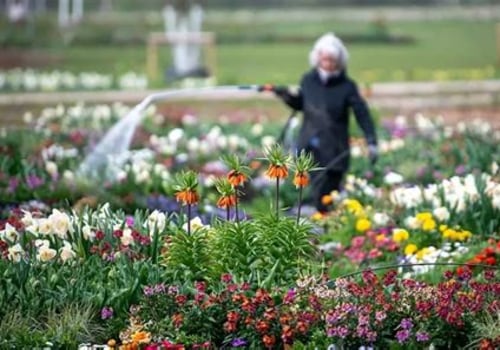
Water conservation in gardening is not merely a trend; it is a vital practice that contributes significantly to sustainability and environmental health. Just as a well-prepared braised dish requires careful attention to ingredients and methods, effective water conservation demands thoughtful strategies. As climate change continues to impact weather patterns, the availability of fresh water is becoming increasingly uncertain. By understanding the Water conservation in gardening is not merely a trend; it is a vital practice that contributes significantly to sustainability and environmental health. Just as a well-prepared braised dish requires careful attention to ingredients and methods, effective water conservation demands thoughtful strategies. As climate change continues to impact weather patterns, the availability of fresh water is becoming increasingly uncertain. By understanding the importance of water conservation, gardeners can play a crucial role in mitigating these challenges while also enhancing the resilience of their gardens. Conserving water in gardens offers numerous benefits that extend beyond just saving on water bills.
It promotes healthier plant growth, as plants that receive adequate moisture are less susceptible to diseases and pests. Moreover, efficient water use helps maintain soil structure and fertility, ensuring that nutrients are effectively absorbed by plants. This not only leads to a more vibrant garden but also supports local biodiversity by creating a balanced ecosystem. Furthermore, adopting water-saving techniques in gardening can significantly reduce the strain on local water resources. This is particularly important in regions prone to drought or where water scarcity is an ongoing concern.
By implementing strategies such as rainwater harvesting, drip irrigation, and mulching, gardeners can contribute to a more sustainable future while enjoying the beauty and productivity of their outdoor spaces.
Choosing the Right Plants for Water Efficiency
One of the most effective ways to conserve water in your garden is by choosing the right plants. By selecting drought-resistant and native plants, you can create a beautiful landscape that requires significantly less water than traditional gardens.Drought-Resistant Plants
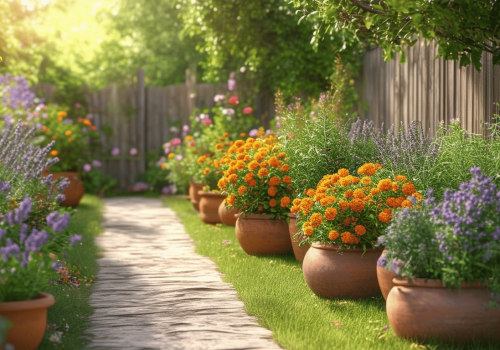
- Lavender: This aromatic herb thrives in dry conditions and adds a lovely fragrance to your garden.
- Sedum: Known for its fleshy leaves, sedum is a succulent that stores water, making it ideal for low-water gardens.
- Agave: With its striking appearance, agave is not only visually appealing but also highly drought-tolerant.
- Russian Sage: This perennial plant is perfect for adding colour while requiring minimal watering.
Native Plants for Gardens
Incorporating native plants into your garden design is another excellent strategy. Native species are adapted to the local climate and soil conditions, which means they typically require less water and maintenance. Here are some examples:
- Foxglove: A stunning wildflower that attracts pollinators and thrives in various soil types.
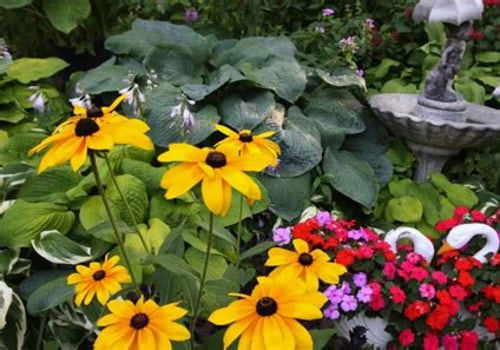
- Black-eyed Susan: This cheerful flower is not only drought-resistant but also provides vibrant colour throughout the summer.
- Butterfly Bush: A magnet for butterflies, this shrub is hardy and requires little water once established.
- Wild Grasses: Incorporating native grasses can help reduce evaporation and improve soil health.
Tips for Water-Efficient Gardening
- Select plants that are suited to your local climate and soil type.
- Group plants with similar water needs together to optimise irrigation.
- Consider using mulch around your plants to retain moisture in the soil.
- Plan your garden layout to maximise natural rainfall and minimise water loss.
Embracing these practices will lead to a more sustainable gardening approach, ensuring that your outdoor space remains vibrant even in drier conditions.
Implementing Efficient Irrigation Systems
When it comes to conserving water in your garden, implementing efficient irrigation systems is crucial. These systems not only reduce water waste but also ensure that your plants receive the right amount of moisture they need to thrive.Drip Irrigation
One of the most effective methods is drip irrigation. This system delivers water directly to the roots of plants through a network of tubing and emitters. By targeting the root zone, drip irrigation minimizes evaporation and runoff, making it an incredibly efficient way to water your garden.Additionally, it can be easily adjusted to suit different plant types and soil conditions, ensuring optimal hydration.
Smart Watering Systems
Another innovative solution is the use of smart watering systems. These systems utilise technology to monitor weather conditions and soil moisture levels, automatically adjusting the watering schedule accordingly. For instance, if rain is forecasted, a smart system can delay watering, preventing unnecessary water usage. Many smart systems can be controlled via smartphone apps, allowing for greater flexibility and convenience.Benefits of Efficient Irrigation
- Water Conservation: Both drip irrigation and smart systems significantly reduce water consumption compared to traditional methods.
- Improved Plant Health: By providing consistent moisture directly to the roots, these systems promote healthier plant growth.
- Time-Saving: Automated systems reduce the need for manual watering, freeing up time for other gardening tasks.
By investing in such technologies, you contribute to sustainable gardening practices while enjoying a flourishing landscape.
Mulching: A Simple Yet Effective Technique
Mulching is a simple yet effective technique that plays a crucial role in conserving water in your garden. By covering the soil with a layer of material, mulching helps to retain moisture, reduce evaporation, and maintain a stable soil temperature. This not only benefits your plants but also contributes to a more sustainable gardening practice.Benefits of Mulching
- Moisture Retention: Mulch acts as a barrier, preventing water from evaporating quickly from the soil surface. This means less frequent watering is required, which is particularly beneficial during hot, dry spells.
- Weed Suppression: A thick layer of mulch can inhibit weed growth by blocking sunlight, reducing competition for water and nutrients.
- Soil Temperature Regulation: Mulch helps to keep the soil cooler in summer and warmer in winter, creating a more stable environment for plant roots.
- Soil Improvement: Organic mulches break down over time, adding nutrients to the soil and improving its structure.
Types of Mulch
There are various types of mulch available, each with its own benefits:- Organic Mulch: Materials such as wood chips, straw, grass clippings, and shredded leaves decompose over time, enriching the soil.
- Inorganic Mulch: Options like gravel, stones, or landscape fabric do not decompose and are ideal for areas where you want long-lasting coverage.
- Bark Mulch: This type is aesthetically pleasing and effective at moisture retention while also providing a natural look to your garden.
How to Mulch a Garden
Applying mulch correctly is essential for maximising its benefits:- Prepare the Soil: Clear the area of weeds and debris before applying mulch.
This ensures that your plants have access to nutrients without competition.
- Select Your Mulch: Choose the type of mulch that best suits your garden's needs and aesthetic preferences.
- Apply Evenly: Spread a layer of mulch 5-10 cm thick around your plants, taking care not to pile it against the stems or trunks as this can cause rot.
- Water After Application: Water the area lightly after mulching to help settle the material and enhance moisture retention.
Rainwater Harvesting: A Sustainable Solution
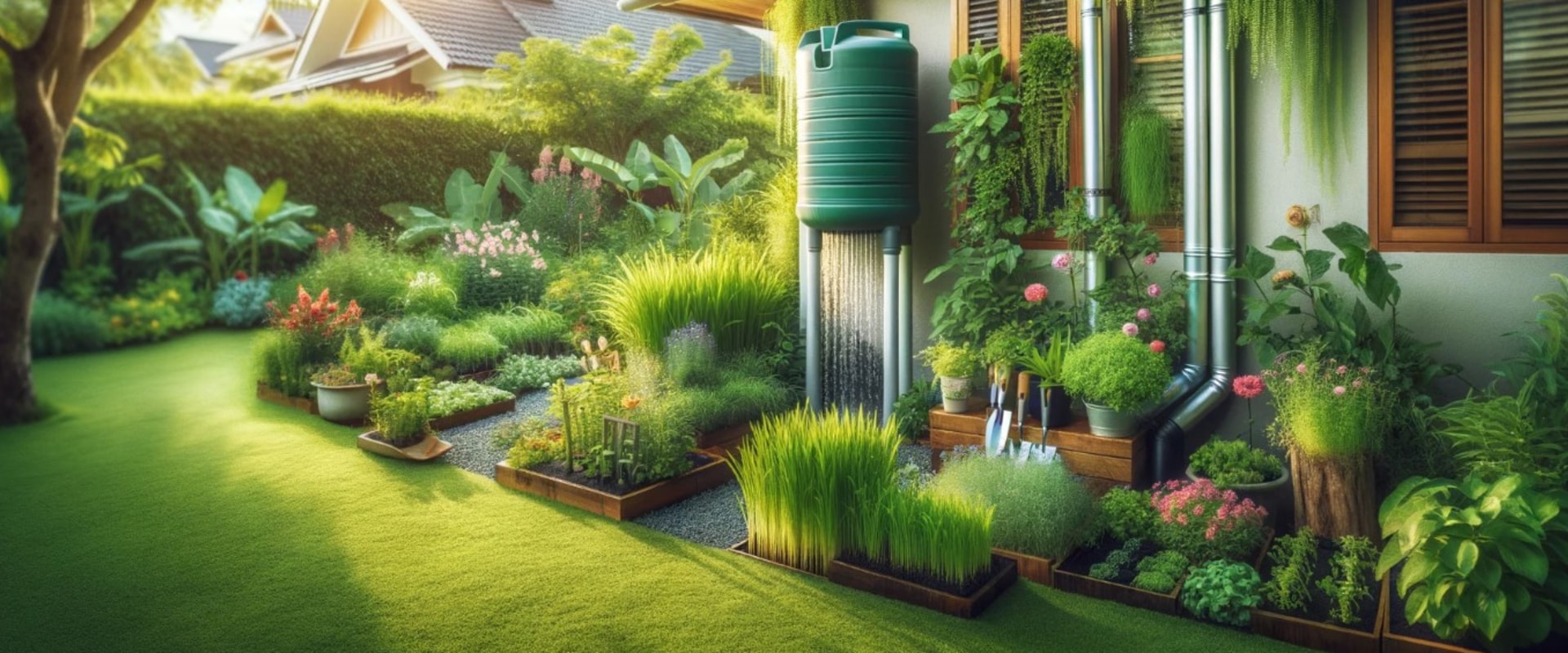
Rainwater harvesting is an effective and sustainable method for conserving water in your garden. By collecting and storing rainwater, you can significantly reduce your reliance on municipal water supplies while providing your plants with a natural source of hydration.Methods to Collect Rainwater
- Rain Barrels: One of the simplest ways to collect rainwater is by installing rain barrels beneath your downspouts. These barrels can be fitted with a spigot for easy access to the stored water.
- Rain Gardens: Creating a rain garden involves designing a shallow depression in your landscape that captures runoff from roofs and paved areas.
This not only collects water but also allows it to percolate into the ground, benefiting nearby plants.
- In-Ground Cisterns: For larger gardens, consider installing an underground cistern. These systems can store significant amounts of rainwater and are often connected to irrigation systems for efficient watering.
Benefits of Rainwater Collection
- Environmental Impact: Harvesting rainwater reduces stormwater runoff, which can lead to soil erosion and water pollution. It helps maintain the natural hydrology of your garden.
- Cost Savings: By using collected rainwater for irrigation, you can lower your water bills and reduce the demand on local water supplies, especially during dry spells.
- Plant Health: Rainwater is typically free of the chemicals found in tap water, such as chlorine and fluoride, making it a healthier option for your plants.
How to Implement Rainwater Harvesting
To start collecting rainwater for your garden, follow these steps:
- Select appropriate collection systems based on your garden size and layout.
- Ensure that your collection system is properly installed and maintained to prevent contamination.
- Use the collected rainwater efficiently by integrating it into your existing irrigation system or using it directly for watering plants.
Soil Management Techniques for Water Conservation
Effective soil management is crucial for enhancing moisture retention in your garden, ultimately leading to significant water conservation. By improving soil health, you can create a more resilient garden that requires less frequent watering.One of the most effective techniques for improving soil health is the incorporation of organic matter.This can include compost, well-rotted manure, or leaf mould. Adding organic matter not only enriches the soil with essential nutrients but also improves its structure, allowing it to hold moisture more effectively. Here are some benefits of incorporating organic matter:
- Increased water retention: Organic matter acts like a sponge, absorbing and retaining water in the soil.
- Enhanced microbial activity: Healthy soil teems with beneficial microorganisms that help break down organic materials, further enriching the soil.
- Improved aeration: A well-structured soil allows for better air circulation, which is vital for root health.
To prevent compaction, consider the following practices:
- Avoid walking on wet soil: This can lead to compaction; use paths or stepping stones to navigate your garden.
- Use mulch: Applying a layer of organic mulch around plants helps retain moisture and reduces evaporation.
- Practice crop rotation: Changing the types of plants grown in specific areas can help maintain soil structure and health.
Creating a Water-Conserving Garden Design
Designing a garden with water conservation in mind not only benefits the environment but also enhances the overall aesthetic of your landscape. By implementing xeriscaping principles, you can create a beautiful garden that requires minimal irrigation.One of the first steps in garden design for water conservation is to assess your landscape's natural features. Identify areas that retain moisture and those that drain quickly.This knowledge will guide you in placing plants according to their water needs. For instance, grouping drought-tolerant plants together can significantly reduce water usage.Consider incorporating the following landscape design tips:
- Use native plants: Native species are adapted to local climate conditions and typically require less water than non-native varieties.
- Create microclimates: Use structures like walls or fences to create sheltered areas that can retain moisture and protect plants from harsh winds.
- Implement mulch: A layer of organic mulch around plants helps retain soil moisture, suppress weeds, and improve soil quality as it decomposes.
- Design with contours: Shaping your garden beds to follow the natural contours of the land can help direct rainwater to where it’s needed most.
Common FAQs About Water Conservation in Gardens
Water conservation in gardens is a pressing concern for many gardeners.Here are some frequently asked questions that can help you understand how to effectively conserve water in your garden.
What are the best methods to conserve water in a garden?
- Mulching: Applying a layer of organic mulch around plants helps retain moisture in the soil, reducing the need for frequent watering.
- Drip irrigation: This method delivers water directly to the roots of plants, minimising evaporation and runoff.
- Rainwater harvesting: Collecting rainwater in barrels can provide a sustainable water source for your garden.
- Drought-resistant plants: Choosing native or drought-tolerant plants can significantly reduce water usage.
How often should I water my garden?
The frequency of watering depends on various factors such as plant type, soil condition, and weather. Generally, it’s best to water deeply but less frequently, allowing the soil to dry out between watering sessions. A good rule of thumb is to aim for about 1 inch of water per week, either from rainfall or irrigation.Are there specific times of day that are better for watering?
Yes, the best times to water your garden are early in the morning or late in the evening. This reduces evaporation and allows plants to absorb moisture more effectively.Avoid watering during the hottest part of the day.
Can I use greywater for my garden?
Using greywater (wastewater from baths, sinks, and washing machines) can be an excellent way to conserve fresh water. However, ensure that you use biodegradable soaps and avoid using greywater on edible plants unless you follow local regulations.By implementing these tips and understanding common queries about water conservation, you can create a more sustainable garden that thrives while using less water.Conclusion: Embracing Sustainable Gardening Practices
In conclusion, conserving water in your garden is not just a necessity but a vital aspect of sustainable gardening practices. By implementing the strategies discussed, you can significantly reduce water usage while maintaining a vibrant and healthy landscape. Utilising techniques such as drip irrigation, mulching, and selecting drought-resistant plants can lead to substantial water savings. These methods not only help in conserving this precious resource but also promote a more resilient garden ecosystem. Moreover, adopting practices like rainwater harvesting and using greywater systems can further enhance your garden's sustainability.These approaches not only lessen the demand on municipal water supplies but also encourage a more mindful relationship with our environment. As we face increasing challenges related to climate change and water scarcity, it is imperative for gardeners to take proactive steps towards water conservation. By embracing these sustainable practices, you contribute to a healthier planet while enjoying the beauty of your garden. Ultimately, every small effort counts. Whether you are a seasoned gardener or just starting out, integrating these water-saving techniques into your gardening routine can make a significant difference. Let us all commit to nurturing our gardens responsibly and sustainably for future generations.