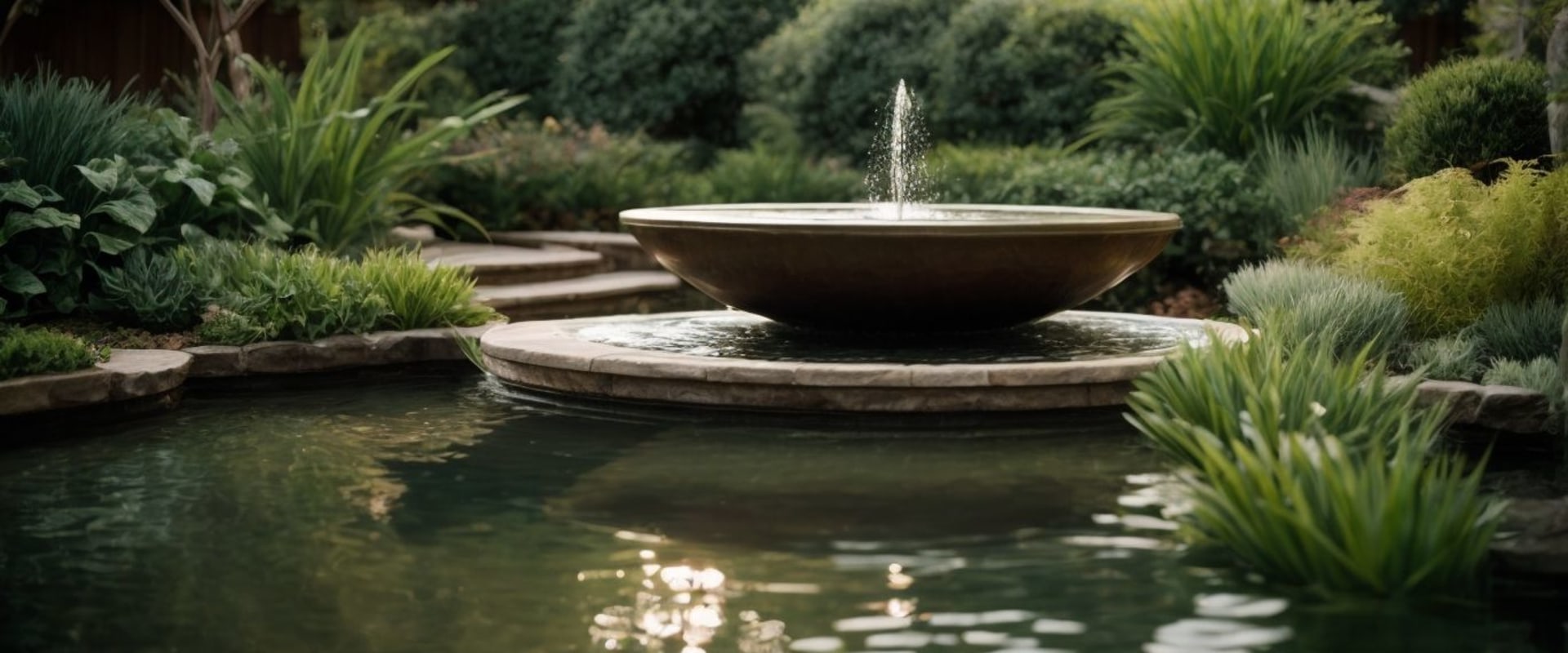
Incorporating water features into your garden and landscaping design can transform an ordinary outdoor space into a serene oasis. These elements not only enhance the visual appeal of a landscape but also serve various functional purposes that can significantly improve the overall environment. From tranquil ponds to dynamic fountains good for ponds, water features can create a focal point that draws the eye and invites exploration. The importance of water features in landscape design extends beyond mere aesthetics. They play a crucial role in promoting biodiversity by attracting wildlife such as birds, butterflies, and beneficial insects.
Additionally, the soothing sounds of flowing water can mask unwanted noise from nearby roads or urban areas, creating a peaceful retreat right in your backyard. Furthermore, strategically placed water features can help regulate temperature and humidity levels, contributing to a more comfortable outdoor experience. Moreover, incorporating water into your landscape design can enhance the functionality of your space. For instance, a well-designed pond can serve as a natural irrigation source for surrounding plants, while a fountain can provide cooling effects during hot summer months. By understanding the benefits of water features, homeowners can make informed decisions that not only beautify their gardens but also promote sustainability and ecological balance.
Types of Water Features to Consider
Incorporating water features into your garden and landscaping can transform an ordinary outdoor space into a serene oasis.Here are some popular types of water features to consider:
- Garden Ponds: A garden pond can serve as a stunning focal point in your landscape design. These ponds can be designed in various shapes and sizes, accommodating everything from koi fish to aquatic plants. When planning a pond, consider its depth and location to ensure it complements the surrounding flora.
- Fountains: Fountains add a touch of elegance and can be a great way to introduce the soothing sound of flowing water. They come in various styles, from traditional tiered designs to modern wall-mounted options.
A well-placed fountain can enhance the aesthetic appeal of your garden while attracting birds and other wildlife.
- Waterfalls: For a more dramatic effect, consider incorporating a waterfall into your landscape. Waterfalls can be designed to cascade over rocks or into a pond, creating a naturalistic look. The sound of rushing water can provide a calming atmosphere, making it an ideal feature for relaxation areas.
- Streams: If you have the space, adding a stream can create a dynamic flow throughout your garden. Streams can meander through different sections of your landscape, connecting various features like ponds and waterfalls.
This not only enhances visual interest but also promotes biodiversity.
Designing a Water Feature: Key Considerations
When designing water features for your garden and landscaping, several key considerations can significantly influence the overall aesthetic and functionality of your outdoor space. Understanding these factors will help you create a harmonious environment that complements your existing landscape.- Size: The size of your water feature should be proportional to the surrounding landscape.
A small pond may get lost in a vast garden, while a large fountain could overwhelm a compact space. Consider the scale of your garden when selecting the dimensions of your feature.
- Location: Placement is crucial. Water features should be positioned where they can be easily viewed and enjoyed, such as near seating areas or pathways. Additionally, consider sunlight exposure; some plants thrive in full sun, while others prefer shade.
- Style: The style of your water feature should align with the overall theme of your garden.
Whether you opt for a modern minimalist design or a rustic natural pond, ensure that it complements other elements in your landscape. Materials used, such as stone or metal, should also harmonise with existing structures.
- Functionality: Think about how you want to use the water feature. Will it serve as a focal point, provide habitat for wildlife, or offer soothing sounds? Understanding its purpose will guide your design choices.
- Maintenance: Consider the maintenance requirements of your chosen water feature. Some designs may require regular cleaning and upkeep, while others are more self-sustaining.
Choose a feature that fits your lifestyle and willingness to maintain it.
Integrating Water Features with Existing Landscape Elements
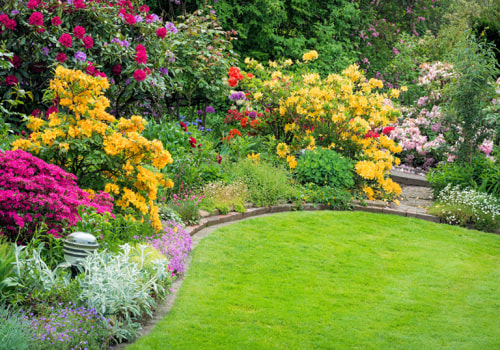
Incorporating water features into your garden can enhance its aesthetic appeal and create a tranquil atmosphere. However, achieving a cohesive design requires careful consideration of how these elements interact with existing landscape features.One effective approach is to assess the current layout of your garden. Identify key elements such as pathways, flower beds, and trees that can complement or contrast with the water feature.For instance, placing a pond near a cluster of vibrant flowers can create a stunning focal point, while also attracting wildlife.
Creating Visual Harmony
To ensure visual harmony, consider the following:- Scale and Proportion: Choose a water feature that matches the size of your garden. A large fountain may overwhelm a small space, while a tiny birdbath might get lost in a sprawling landscape.
- Materials: Use materials that echo those found in your existing structures. If your patio is made of natural stone, consider a stone-lined pond to create continuity.
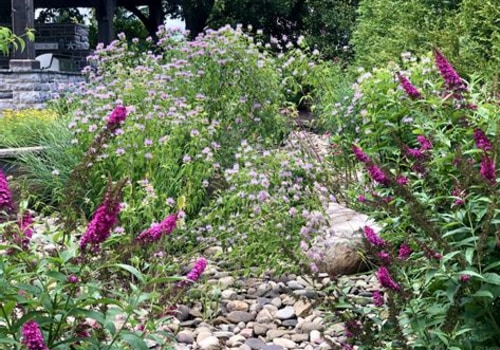
- Plant Selection: Surround your water feature with plants that thrive in moist conditions. Incorporating native species can enhance biodiversity and ensure that the feature blends seamlessly into the landscape.
Integrating Pathways
Pathways play a crucial role in guiding visitors through your garden.When integrating water features, think about how pathways can lead to and from these elements:
- Curved Paths: A winding path can create an inviting journey towards a pond or fountain, encouraging exploration and interaction.
- Bridges: If your design includes a stream or larger pond, consider adding a bridge. This not only enhances accessibility but also adds an architectural element to the landscape.
Maintenance Tips for Water Features
Maintaining water features is essential for ensuring their longevity and enhancing the overall aesthetic of your garden and landscaping. Here are some practical tips to keep your ponds, fountains, and other water features in top condition.Regular Cleaning
Debris such as leaves, twigs, and algae can accumulate in water features, leading to unsightly appearances and potential health issues for aquatic life.Regular cleaning is crucial:
- Ponds: Use a net to remove floating debris weekly. For deeper cleaning, consider using a pond vacuum every few months.
- Fountains: Clean the pump and filter regularly to prevent clogs. A monthly scrub of the fountain surfaces will help maintain its shine.
Water Quality Management
Maintaining good water quality is vital for both aesthetics and the health of any fish or plants:- Testing: Regularly test the water for pH levels, ammonia, and nitrate concentrations. This will help you identify any imbalances that need addressing.
- Water Changes: Replace 10-20% of the pond water every few weeks to keep it fresh and clear.
Pond and Fountain Care
Caring for specific types of water features requires tailored approaches:- Ponds: Introduce beneficial bacteria to help break down organic matter.
Additionally, ensure that plants are well-maintained to provide natural filtration.
- Fountains: Check the pump regularly to ensure it’s functioning correctly. If you notice a decrease in water flow, it may be time to clean or replace the pump.
Seasonal Considerations
The changing seasons can impact your water features significantly:- Winter: In colder climates, consider installing a heater or aerator in ponds to prevent freezing. Remove any delicate plants that cannot withstand frost.
- Summer: Monitor water levels closely during hot weather, as evaporation can lead to significant drops. Top up with fresh water as needed.
Water Features and Wildlife: Creating a Habitat
Incorporating water features into your garden design not only enhances its aesthetic appeal but also plays a crucial role in attracting wildlife and creating a thriving habitat.By introducing elements such as ponds, fountains, or birdbaths, you can foster a diverse ecosystem that benefits both flora and fauna.
Water features
serve as vital resources for various species, providing drinking water and breeding grounds. For instance, a well-maintained pond can attract amphibians like frogs and toads, which help control insect populations. Additionally, the presence of water can draw in birds, butterflies, and beneficial insects, enriching the biodiversity of your garden.Ecological Benefits of Water Features
- Habitat Creation: Water features create microhabitats that support different species. Aquatic plants provide shelter for fish and insects, while surrounding vegetation offers nesting sites for birds.
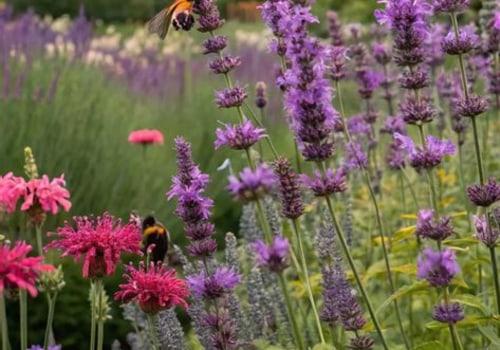
- Pollinator Attraction: The presence of water encourages pollinators such as bees and butterflies to visit your garden, aiding in the pollination of plants.
- Natural Pest Control: By attracting predators like dragonflies and birds, water features can help keep pest populations in check without the need for chemical interventions.
These plants not only provide food and shelter for local wildlife but also require less maintenance and are better adapted to the local climate.Furthermore, ensuring that your water feature is free from chemicals and pollutants is essential for maintaining a healthy habitat. Regular maintenance, such as cleaning debris and monitoring water quality, will help sustain the ecosystem you are nurturing.In conclusion, integrating water features into your landscape design is an effective way to attract wildlife and create a vibrant habitat. By doing so, you contribute to the ecological health of your garden while enjoying the beauty and serenity that these elements bring.
Common Mistakes to Avoid When Adding Water Features
Incorporating water features into your garden and landscaping can create a stunning focal point, but there are several common mistakes that can undermine your efforts. Understanding these pitfalls is essential for achieving a harmonious design.- Neglecting Scale and Proportion: One of the most frequent errors is choosing a water feature that is either too large or too small for the space.
A massive pond in a tiny garden can overwhelm the area, while a small fountain may get lost in a vast landscape. Always consider the scale of your water feature in relation to your garden.
- Ignoring Maintenance Needs: Water features require regular upkeep, including cleaning and monitoring water quality. Failing to account for this can lead to unsightly algae growth or stagnant water. Before installation, assess how much time you can realistically dedicate to maintenance.
- Placement Issues: The location of your water feature is crucial.
Placing it in direct sunlight can lead to excessive evaporation and algae problems, while positioning it too close to trees may result in debris clogging the system. Aim for a spot that balances sun and shade.
- Overlooking Wildlife Considerations: Water features can attract wildlife, which is often desirable. However, failing to consider how animals will interact with your design can lead to issues. For instance, if you want to attract birds, ensure there are safe perches nearby.
- Forgetting About Sound: The sound of flowing water can enhance the atmosphere of your garden, but if not properly designed, it can become overwhelming or disruptive.
Consider the acoustic impact of your water feature and how it fits into the overall soundscape of your landscape.
FAQs About Water Features in Landscape Design
When considering water features in your landscape design, several common questions arise. Here are some frequently asked questions that can help clarify your doubts:- What types of water features are suitable for gardens?
There are various options, including ponds, fountains, and waterfalls. Each type can create a unique atmosphere and serve different purposes, such as attracting wildlife or providing a tranquil sound. - How do I maintain a garden pond?
Regular maintenance is essential.This includes cleaning debris, checking water quality, and ensuring that the pump and filtration systems are functioning properly. Additionally, consider adding aquatic plants to help maintain balance.
- Are water features expensive to install?
The cost can vary significantly based on the type and size of the feature. Simple fountains may be more affordable, while larger ponds or elaborate waterfalls can require a higher investment. Always plan your budget accordingly. - Can I install a water feature myself?
While some smaller features can be DIY projects, larger installations often require professional expertise to ensure proper setup and functionality.Assess your skills and the complexity of the project before deciding.
- What are the benefits of adding a water feature to my landscape?
Water features can enhance the aesthetic appeal of your garden, provide soothing sounds, attract wildlife, and even increase property value. They create a focal point that draws attention and encourages relaxation.
Conclusion: Enhancing Your Garden with Water Features
Incorporating water features into your garden and landscaping design can transform an ordinary outdoor space into a serene oasis. Throughout this article, we have explored various ways to integrate these elements, highlighting their aesthetic and functional benefits. Water features not only enhance the visual appeal of your garden but also create a soothing atmosphere. The gentle sound of flowing water can mask unwanted noise, providing a tranquil environment for relaxation and contemplation.Additionally, they attract wildlife, such as birds and butterflies, enriching the biodiversity of your garden. When considering the addition of water features, it is essential to assess your garden's size and style. For smaller spaces, options like container water gardens or fountains can provide a striking focal point without overwhelming the area. Larger gardens may benefit from more elaborate designs, such as ponds or waterfalls, which can serve as stunning centrepieces. Moreover, the choice of materials and plants surrounding your water feature plays a crucial role in its integration. Natural stones and native plants can create a harmonious look that blends seamlessly with the landscape.
Consider incorporating lighting to highlight your water feature at night, adding another layer of beauty to your garden. In conclusion, the thoughtful incorporation of water features into your garden and landscaping design not only enhances its beauty but also promotes a peaceful atmosphere and supports local wildlife. By carefully selecting the type and placement of these elements, you can create a stunning outdoor space that reflects your personal style while providing a sanctuary for relaxation and enjoyment.