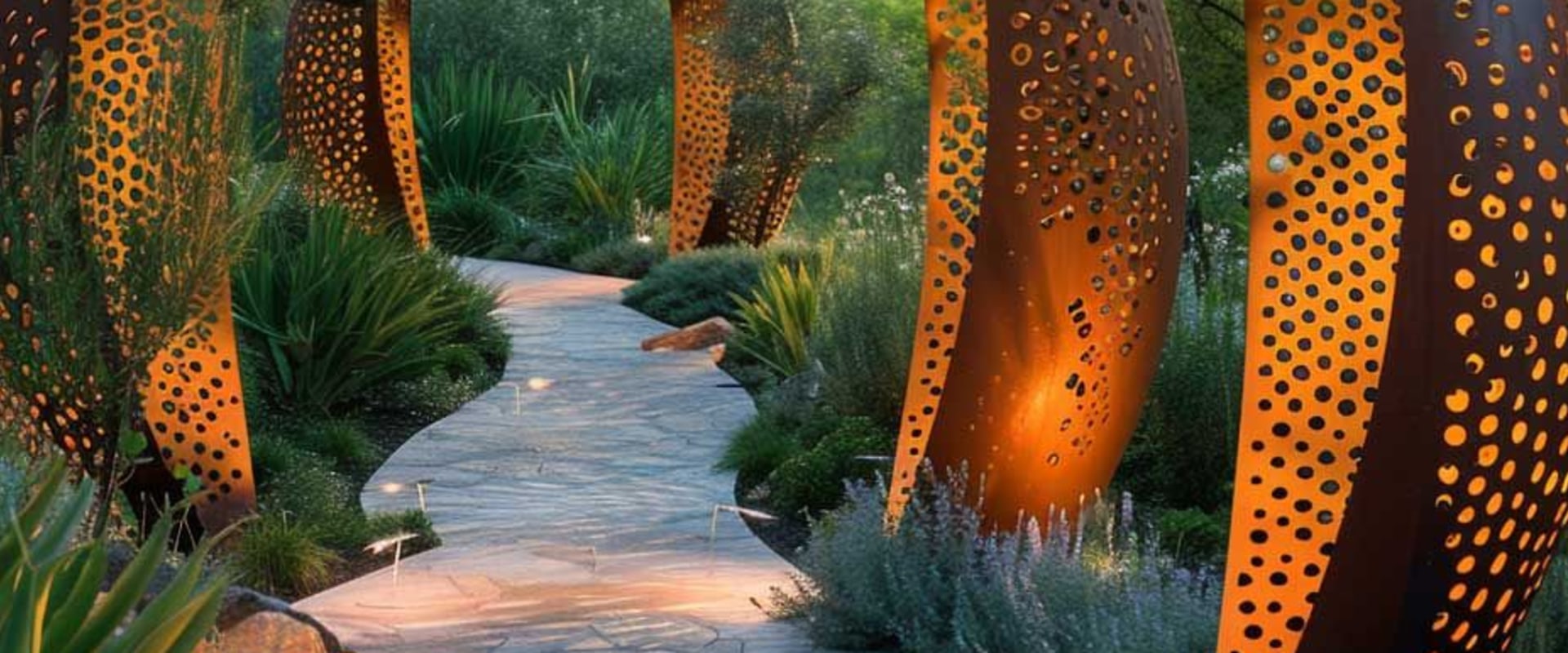
Incorporating art into your garden design can transform an ordinary outdoor space into a captivating sanctuary that reflects your personal style and enhances the overall aesthetics. From striking sculptures to delicate installations, the presence of art in gardens serves not only as a visual focal point but also as a means of self-expression. As you explore the possibilities, consider how various artistic elements can harmonise with the natural beauty of your garden, creating a seamless blend of nature and creativity. Sculptures, in particular, can play a pivotal role in defining the character of your garden. Whether you opt for contemporary pieces that challenge traditional forms or classic statues that evoke a sense of history, these artistic additions can evoke emotions and provoke thought.
The strategic placement of sculptures can guide the eye through your garden, drawing attention to specific areas while also providing a sense of scale and depth. Moreover, integrating art into your garden design encourages interaction and engagement. Visitors are often drawn to unique pieces, sparking conversations and inviting them to explore further. This dynamic relationship between art and nature not only enhances the visual appeal but also enriches the experience of being in the garden. By thoughtfully selecting and positioning art within your landscape, you create a space that is not just visually stunning but also deeply personal and meaningful.
Choosing the Right Type of Art for Your Garden
When it comes to enhancing your garden with art, the options are as diverse as the plants you choose.Understanding the different types of garden art available can help you make informed decisions that complement your landscaping.Sculptures are perhaps the most popular form of garden art. They can range from small, intricate pieces to large, imposing figures that serve as focal points. When selecting a sculpture, consider the material; stone, metal, and wood each offer unique aesthetics and durability. For instance, a bronze sculpture can add a touch of elegance, while a wooden piece may provide a more rustic feel.Murals and Wall Art are another excellent way to incorporate art into your garden.
If you have a wall or fence, consider commissioning a mural that reflects the natural beauty surrounding it. This can create a stunning backdrop for your garden and enhance the overall atmosphere.Installations , such as wind chimes or water features, can also be considered forms of art. These elements not only add visual interest but also engage the senses through sound and movement. A carefully placed water feature can create a serene environment, while colourful wind chimes can introduce playful sounds. When brainstorming garden art ideas, think about how each piece interacts with its surroundings.
For example, a vibrant mosaic path can lead visitors through your garden, while strategically placed sculptures can guide the eye towards specific plants or areas. Additionally, consider the scale of your art; oversized pieces may overwhelm smaller gardens, while tiny accents might get lost in larger spaces. Ultimately, the right type of art for your garden should resonate with your personal style and enhance the overall design. By thoughtfully selecting sculptures, murals, and installations, you can create a harmonious blend of nature and creativity that transforms your outdoor space into a true work of art.
Finding Inspiration: Styles and Themes for Garden Art
When it comes to incorporating art into your garden design, exploring various styles and themes can provide a wealth of inspiration. Each style can evoke different emotions and create unique atmospheres, allowing you to tailor your garden to reflect your personal taste.Popular Garden Art Styles
- Contemporary: This style often features sleek lines and minimalistic designs.
Think abstract sculptures made from metal or glass that can serve as striking focal points in a modern garden.
- Rustic: Embrace the charm of natural materials with sculptures made from wood, stone, or reclaimed materials. These pieces blend seamlessly into a more traditional or cottage-style garden.
- Whimsical: For a playful touch, consider incorporating quirky sculptures or colourful mosaics. These elements can add a sense of fun and creativity, making your garden feel inviting and lively.
- Zen: If you prefer a tranquil atmosphere, look for sculptures that embody simplicity and serenity. Stone lanterns or Buddha statues can enhance the peaceful vibe of a Japanese-inspired garden.
Themes for Garden Sculptures
Selecting a theme can help unify your garden art with the overall design.Here are some popular themes to consider:
- Nature: Incorporate sculptures that reflect the beauty of the natural world, such as animal figures or floral motifs.
- Cultural: Draw inspiration from different cultures by adding art pieces that represent their heritage, like African masks or Greek statues.
- Fantasy: Create an enchanting atmosphere with fairy-tale inspired sculptures, such as mythical creatures or whimsical fairies.
Placement and Positioning of Art in Your Garden
When it comes to incorporating art into your garden design, placement and positioning are crucial for maximising both visibility and impact. The right positioning can transform a simple garden into a captivating space that draws the eye and invites exploration.Consider the Focal Points
- Identify key areas in your garden that naturally attract attention, such as pathways, seating areas, or corners. These spots are ideal for placing sculptures or art pieces.
- Use larger sculptures as focal points to anchor the design.
Position them at the end of a pathway or in a clearing to create a sense of discovery.
Height and Scale
- Think about the scale of your art in relation to the surrounding plants and structures. A towering sculpture can create drama, while smaller pieces can add subtlety.
- Varying heights can add interest; consider placing shorter art pieces among taller plants to create layers and depth.
Creating Visual Pathways
- Use art to guide visitors through your garden. Position pieces along pathways to encourage movement and exploration.
- Consider the line of sight; ensure that sculptures are visible from multiple angles, enhancing their impact as visitors move through the space.
Seasonal Considerations
- Think about how different seasons will affect the visibility of your art. For instance, deciduous plants may obscure sculptures in summer but reveal them in winter.
- Select materials that complement your garden's seasonal changes, ensuring that your art remains appealing year-round.
By considering factors such as focal points, height, visual pathways, and seasonal changes, you can create a harmonious blend of nature and creativity that enhances your outdoor space.
Materials and Maintenance: Choosing Durable Art for Outdoor Spaces
When incorporating art or sculptures into your garden design, choosing durable materials is essential to ensure that your pieces withstand the elements and maintain their beauty over time. Outdoor sculptures are exposed to various weather conditions, including rain, sun, and temperature fluctuations, which can take a toll on less resilient materials.Durable Materials for Garden Art
- Metal: Stainless steel and bronze are excellent choices for outdoor sculptures due to their resistance to rust and corrosion. They can develop a beautiful patina over time, adding character to your garden.
- Stone: Natural stone sculptures, such as granite or marble, are incredibly durable and can withstand harsh weather. They also blend seamlessly with natural landscapes.
- Resin: High-quality resin can mimic the appearance of stone or metal while being lightweight and resistant to fading.
Look for UV-resistant options to prevent discolouration.
- Ceramics: While more fragile than other materials, certain ceramics treated with weatherproof glazes can be suitable for outdoor use. Ensure they are designed specifically for garden settings.
Maintenance of Outdoor Sculptures
To keep your garden art looking its best, regular maintenance is key. Here are some tips:- Cleaning: Dust and dirt can accumulate on sculptures, so gently clean them with a soft cloth or sponge. For tougher stains, use mild soap and water.
- Inspection: Regularly check for signs of wear or damage.
Early detection of issues like rust on metal or cracks in stone can prevent further deterioration.
- Sealing: For porous materials like stone or ceramics, applying a sealant can help protect against moisture and staining. Reapply as recommended by the manufacturer.
DIY Garden Art Projects: Adding a Personal Touch
Creating your own DIY garden sculptures can be a rewarding way to personalise your outdoor space. Not only do these projects allow you to express your creativity, but they also add unique character to your garden. Here are some inspiring ideas to get you started:1.Recycled Materials Sculpture
Utilising old items around your home can lead to stunning garden art.Consider using:
- Old tools: Transform shovels and rakes into whimsical figures.
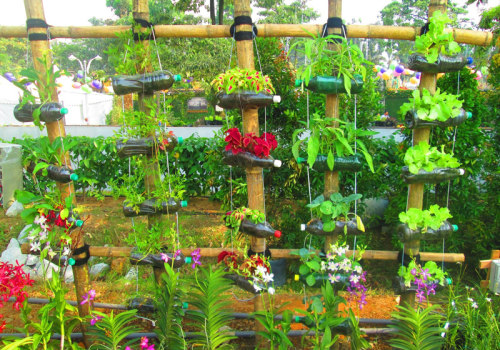
- Bottles: Create a colourful bottle tree by securing bottles to a sturdy pole.
- Wood scraps: Assemble pieces into abstract shapes or animals.
2.Stone and Pebble Art
Stones and pebbles can be used to create beautiful mosaics or sculptures. Here’s how:- Gather various sizes of stones and pebbles.
- Sketch a design on paper, such as a flower or geometric pattern.
- Use strong adhesive to attach the stones to a wooden board or directly onto the ground.
3.Clay Pot People
Turn ordinary clay pots into charming garden figures:- Stack several pots of different sizes for the body.
- Paint them in bright colours and add facial features with permanent markers.
- Use small items like buttons or beads for eyes and accessories.
Integrating Nature with Art: Harmonious Designs
Incorporating art into your garden design can create a stunning visual experience that enhances the natural beauty of your outdoor space. By focusing on nature-inspired garden art, you can ensure that your artistic elements complement rather than overpower the surrounding flora.One effective way to achieve this harmony is by selecting pieces that reflect the organic shapes and colours found in nature.For instance, sculptures that mimic the forms of plants or animals can seamlessly blend into the landscape. Consider using materials such as stone, wood, or metal that resonate with the natural environment, creating a cohesive look.
Blending Art with Landscaping
When integrating art with landscaping, think about placement and scale. Large sculptures can serve as focal points, drawing the eye and providing a sense of structure within the garden. Conversely, smaller pieces can be strategically placed among plants to create delightful surprises for visitors.Pathways lined with artistic elements can guide guests through your garden while enhancing their experience.
- Consider the seasons: Choose artworks that will look appealing year-round, adapting to seasonal changes in your garden.
- Incorporate functionality: Sculptures that double as seating or planters can add both beauty and utility to your space.
- Use colour wisely: Select art pieces that harmonise with the existing colour palette of your plants and flowers.
Eco-Friendly Sculptures
As sustainability becomes increasingly important in garden design, consider incorporating eco-friendly sculptures. These can be made from recycled materials or sustainably sourced resources, allowing you to express your artistic vision while being kind to the environment. Look for local artists who create unique pieces from reclaimed items, adding a personal touch to your garden.Ultimately, the key to successfully integrating art into your garden lies in achieving a balance between nature and creativity. By thoughtfully selecting and placing artistic elements, you can create a serene and inspiring outdoor space that reflects your personal style while celebrating the beauty of nature.FAQs About Incorporating Art into Garden Design
Incorporating art into your garden design can elevate the aesthetic appeal and create a unique atmosphere.Here are some frequently asked questions that can help clarify common concerns and misconceptions about integrating art and sculptures into your outdoor space.
- What types of art can I use in my garden?
You can choose from a variety of art forms, including sculptures, murals, mosaics, and even functional art like benches or trellises. Consider the overall theme of your garden when selecting pieces. - How do I choose the right size for garden sculptures?
The size of the sculpture should be proportional to the surrounding plants and structures. A large sculpture can serve as a focal point, while smaller pieces can complement existing features without overwhelming them. - Where should I place garden art?
Placement is crucial for visibility and impact. Consider placing sculptures along pathways, near seating areas, or at the end of a vista to draw the eye.Ensure that the art is easily visible from various angles within the garden.
- How do I maintain outdoor sculptures?
Maintenance depends on the material of the sculpture. Metal pieces may require rust protection, while stone or ceramic may need occasional cleaning to remove dirt and algae. Always check for specific care instructions based on the material used. - Can I incorporate art into a small garden?
Absolutely! In small gardens, select one or two statement pieces that can create a strong visual impact without cluttering the space. Vertical sculptures or wall-mounted art can also save ground space while adding interest.
Conclusion: Elevating Your Garden with Art and Sculpture
Incorporating art and sculpture into your garden design can transform an ordinary outdoor space into a captivating sanctuary.As we have explored, the integration of artistic elements not only enhances the aesthetic appeal but also adds a personal touch that reflects your unique style.To summarise, here are the key points to consider when elevating your garden with art:
- Choose the Right Style: Select sculptures and art pieces that complement your garden's overall theme, whether it be modern, rustic, or whimsical.
- Consider Scale and Proportion: Ensure that the size of the artwork is appropriate for the space. A large sculpture can serve as a focal point, while smaller pieces can create interest in more intimate areas.
- Material Matters: Opt for materials that withstand outdoor conditions. Stone, metal, and weather-resistant ceramics are excellent choices that maintain their beauty over time.
- Placement is Key: Position your art strategically to draw the eye and create visual pathways throughout your garden. Consider how light interacts with the piece at different times of day.
- Incorporate Nature: Use plants to frame or enhance your sculptures.
Surrounding art with greenery can create a harmonious blend of nature and creativity.