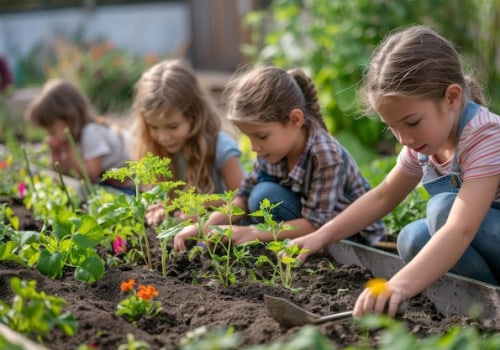
Creating a thriving garden is not just about aesthetics; it’s about fostering a balanced ecosystem that supports plant health and biodiversity. One of the most crucial components of this ecosystem is the presence of beneficial insects. These tiny allies play a significant role in maintaining the health of your garden by controlling pest populations, pollinating flowers, and contributing to soil health. Beneficial insects include a variety of species such as ladybirds, lacewings, and parasitic wasps, all of which help to keep harmful pests in check. For instance, ladybirds are voracious consumers of aphids, while lacewing larvae can devour a range of soft-bodied insects.
By attracting these beneficial creatures to your garden, you create a natural form of pest control that reduces the need for chemical pesticides, ultimately leading to a healthier environment. Moreover, beneficial insects are not only vital for pest management but also for pollination. Many plants rely on insects like bees and butterflies to transfer pollen from one flower to another, facilitating the production of fruits and seeds. This symbiotic relationship enhances the productivity of your garden and contributes to a more vibrant landscape. Understanding the role of these insects is essential for any gardener looking to create a sustainable and flourishing garden.
Choosing the Right Plants to Attract Beneficial Insects
Creating a garden that attracts beneficial insects begins with selecting the right plants.These plants not only provide essential nectar and pollen but also create a habitat that encourages these insects to thrive.
Best Plants for Pollinators
- Lavender : This fragrant herb is a magnet for bees and butterflies, offering a rich source of nectar.
- Echinacea (Coneflower) : Known for its striking blooms, Echinacea attracts a variety of pollinators, including bees and butterflies.
- Sunflowers : These tall, cheerful flowers not only provide seeds for birds but also attract bees and other beneficial insects.
- Marigolds : With their vibrant colours, marigolds are excellent for attracting pollinators while also deterring pests.
- Bee Balm : This perennial herb is particularly attractive to bees and hummingbirds, making it a great addition to any garden.
Flowering Plants for Gardens
In addition to herbs, incorporating a variety of flowering plants can significantly enhance your garden's appeal to beneficial insects. Consider the following:- Asters : Blooming in late summer and autumn, asters provide a crucial food source for pollinators as other flowers begin to fade.
- Yarrow : This hardy perennial not only attracts beneficial insects but also serves as a natural pest repellent.
- Thyme : When in bloom, thyme becomes a haven for bees, making it an excellent choice for herb gardens.
- Wildflowers : Planting a mix of native wildflowers can create a biodiverse environment that supports various beneficial insects.
Creating Diverse Habitats in Your Garden
Creating a garden that attracts beneficial insects begins with understanding the importance of biodiversity. A diverse garden not only supports a variety of insect species but also promotes a healthier ecosystem overall.By incorporating different habitats, you can create an inviting environment for these essential pollinators and pest controllers.
Wildflower patches
are one of the simplest yet most effective ways to enhance biodiversity in your garden. These patches provide food sources for various insects, including bees and butterflies. Choose a mix of native wildflowers that bloom at different times throughout the growing season to ensure a continuous supply of nectar and pollen.Another crucial element is the inclusion of water sources. Insects, like all living creatures, require water to survive.A small pond, birdbath, or even a shallow dish filled with pebbles and water can serve as a vital hydration point for insects. Ensure that the water source is shallow enough for smaller insects to access safely.Providing shelter is equally important in creating habitats for insects. This can be achieved through various means:
- Log piles: These offer refuge for beetles and other beneficial insects.
- Insect hotels: Constructing or purchasing insect hotels can attract solitary bees and other pollinators.
- Dense vegetation: Planting shrubs and tall grasses can create natural hiding spots for insects.
For example, planting marigolds alongside vegetables can attract beneficial insects while repelling harmful ones.By focusing on these diverse habitats within your garden, you will not only support beneficial insect populations but also contribute to a thriving ecosystem that benefits all forms of life.
Implementing Organic Gardening Practices
Creating a garden that attracts beneficial insects begins with the implementation of organic gardening practices. These methods not only foster a thriving ecosystem but also reduce reliance on harmful chemicals that can deter these helpful creatures.One of the fundamental principles of organic gardening is to promote biodiversity. This can be achieved by:- Planting a variety of flowers: Choose native plants and flowers that bloom at different times throughout the growing season. This ensures a continuous food source for beneficial insects such as bees, butterflies, and ladybirds.
- Creating habitats: Incorporate elements like insect hotels, brush piles, and native shrubs to provide shelter for beneficial insects.
These habitats encourage them to take up residence in your garden.
- Avoiding monocultures: Planting a single type of crop can lead to pest outbreaks. Instead, use companion planting techniques to create a balanced ecosystem where plants support each other.
- Natural predators: Introduce or encourage natural predators like lacewings and parasitic wasps that feed on common pests.
- Neem oil: This natural pesticide derived from the seeds of the neem tree disrupts the life cycle of pests without harming beneficial insects when used correctly.
- Companion planting: Certain plants can repel pests or attract beneficial insects. For example, marigolds can deter nematodes while attracting pollinators.
Healthy soil supports robust plant growth, which in turn attracts beneficial insects. Use compost and organic matter to enrich your soil, ensuring it retains moisture and nutrients effectively.By implementing these organic gardening practices, you create a welcoming environment for beneficial insects while promoting a sustainable approach to gardening that benefits both your plants and the ecosystem.
Maintaining Your Garden to Support Beneficial Insects
Creating a thriving garden that attracts beneficial insects requires ongoing maintenance and attention to seasonal changes. By implementing specific practices throughout the year, you can ensure your garden remains a welcoming habitat for these essential creatures.Spring: Preparing for Growth
As the weather warms, begin by clearing away any debris from winter. This not only tidies your garden but also removes potential hiding spots for pests.Consider planting a variety of native flowers that bloom at different times to provide a continuous food source for beneficial insects like bees and butterflies.
Summer: Sustaining the Ecosystem
During the summer months, focus on watering your plants adequately, especially during dry spells. A well-hydrated garden is more resilient and can support a diverse range of insects. Avoid using chemical pesticides, as these can harm beneficial insects. Instead, opt for organic alternatives or natural pest control methods.Autumn: Preparing for Winter
As autumn approaches, allow some plants to go to seed.This provides food for insects preparing for winter. Additionally, consider leaving some areas of your garden undisturbed; leaf litter and dead plant material can serve as shelter for overwintering insects.
Winter: Protecting Your Garden
In winter, it’s crucial to protect your garden from harsh conditions. Covering sensitive plants with mulch can help insulate the soil and provide a habitat for beneficial insects. Regularly check on your garden to ensure that it remains healthy and free from invasive species that could disrupt the ecosystem.By following these seasonal care tips, you can maintain a healthy garden ecosystem that not only supports beneficial insects but also enhances the overall beauty and productivity of your outdoor space.Common Misconceptions About Beneficial Insects
When it comes to beneficial insects, many gardeners hold onto misconceptions that can hinder their efforts to create a thriving ecosystem.Understanding these myths is crucial for fostering a garden that attracts and supports these helpful creatures.
- Myth 1: All insects are pests. This is perhaps the most pervasive misconception. While some insects can cause damage to plants, many play vital roles in pollination and pest control. For instance, ladybirds and lacewings are known for their appetite for aphids, making them invaluable allies in the garden.
- Myth 2: Beneficial insects are not necessary. Some gardeners believe they can manage their gardens without the help of insects. However, beneficial insects contribute to the overall health of the garden by maintaining a balance in the ecosystem.
They help with pollination, which is essential for fruit and vegetable production.
- Myth 3: Chemical pesticides won't harm beneficial insects. Many assume that using chemical pesticides will only target harmful pests. In reality, these chemicals can also kill beneficial insects, disrupting the natural balance and leading to more pest problems in the long run.
- Myth 4: You need to have a perfect garden to attract beneficial insects. While a well-maintained garden can be inviting, beneficial insects are often attracted to diverse plant life and natural habitats. Even a small patch of wildflowers or native plants can provide shelter and food for these important species.
Conclusion: Embracing Nature's Helpers in Your Garden Design
In conclusion, creating a garden that attracts beneficial insects is not just a trend; it is a vital step towards fostering ecological balance and enhancing the overall health of your garden.By implementing the strategies discussed, you can transform your outdoor space into a thriving ecosystem that supports these essential creatures.To recap, consider the following key points:
- Diversity is crucial: Incorporating a variety of plants will provide food and habitat for different beneficial insects. Aim for a mix of flowering plants, herbs, and native species.
- Provide shelter: Create habitats such as insect hotels, brush piles, or undisturbed areas where beneficial insects can take refuge.
- Avoid pesticides: Reducing or eliminating chemical pesticide use will help protect beneficial insects from harm, allowing them to thrive and perform their roles in pest control.
- Seasonal blooms: Plant flowers that bloom at different times throughout the year to ensure a continuous food source for pollinators and other beneficial insects.
Enjoy the process of gardening while witnessing the positive impact these tiny allies have on your landscape.