Seasonal plants are a vital component of any garden and landscaping project, offering a dynamic way to enhance the aesthetic appeal of your outdoor spaces. These plants are characterised by their ability to thrive during specific times of the year, providing vibrant colours and textures that change with the seasons. By understanding the unique characteristics of seasonal plants, you can create a landscape design that not only looks beautiful but also reflects the natural rhythm of the environment. The benefits of incorporating seasonal plants into your landscape design are manifold. Firstly, they allow for a diverse range of visual interest throughout the year.
For instance, spring may bring forth blooming tulips and daffodils, while summer showcases lush sunflowers and vibrant marigolds. This seasonal variation not only keeps your garden looking fresh but also attracts different wildlife at various times, enhancing biodiversity. Additionally, seasonal plants can be more cost-effective in the long run; by selecting species that are well-suited to your local climate, you can reduce maintenance costs and water usage. Moreover, using seasonal plants can help you express your creativity in landscape design. With careful planning, you can create stunning displays that celebrate each season's unique beauty.
Whether you prefer a riot of colours in summer or a more subdued palette in autumn, seasonal plants offer endless possibilities for personal expression. As you delve deeper into the world of garden and landscaping, consider how these plants can transform your outdoor spaces into a vibrant tapestry that evolves throughout the year.
Choosing the Right Seasonal Plants for Your Climate
When it comes to choosing seasonal plants for your landscape design, understanding your local climate and the associated plant hardiness zones is crucial. Each region has its unique weather patterns, soil types, and temperature ranges that can significantly affect plant growth and survival.Understanding Plant Hardiness Zones
- The USDA Plant Hardiness Zone Map is a valuable resource that categorises regions based on their minimum winter temperatures. Familiarising yourself with your zone will help you select plants that are more likely to thrive in your garden.
- For example, if you live in a zone with harsh winters, opt for perennials and shrubs that are known to withstand colder temperatures.
Climate Considerations
- Temperature: Seasonal plants should be chosen based on their ability to tolerate the temperature fluctuations typical of your area.
For instance, if you experience hot summers, consider drought-resistant varieties.
- Rainfall: Understanding your region's rainfall patterns can guide you in selecting plants that require similar moisture levels. Native plants often adapt well to local conditions.
- Sunlight: Assess the amount of sunlight your garden receives throughout the day. Some plants thrive in full sun, while others prefer partial shade.
Selecting Seasonal Plants
Once you have a grasp of your climate and hardiness zone, you can start selecting seasonal plants:
- Spring: Look for early bloomers like daisies, tulips, and lilacs.
- Summer: Choose vibrant options such as zinnias, sunstars, and lavender.
- Autumn: Incorporate plants like asters, sedge grasses, and chrysanthemums.
- winter: Consider evergreens or winter-blooming plants like winter jasmine.
Designing with Seasonal Plants: Key Principles
Incorporating seasonal plants into your landscape design requires a thoughtful approach that aligns with key landscape design principles. Understanding how to effectively use colour theory, texture, and form can significantly enhance the overall aesthetics of your garden.Colour Theory
- Seasonal Colour Palettes: Choose plants that bloom in different seasons to create a dynamic colour palette.
For instance, spring bulbs like tulips and daffodils can be paired with summer perennials such as echinacea and daylilies, followed by autumn foliage from trees like maples.
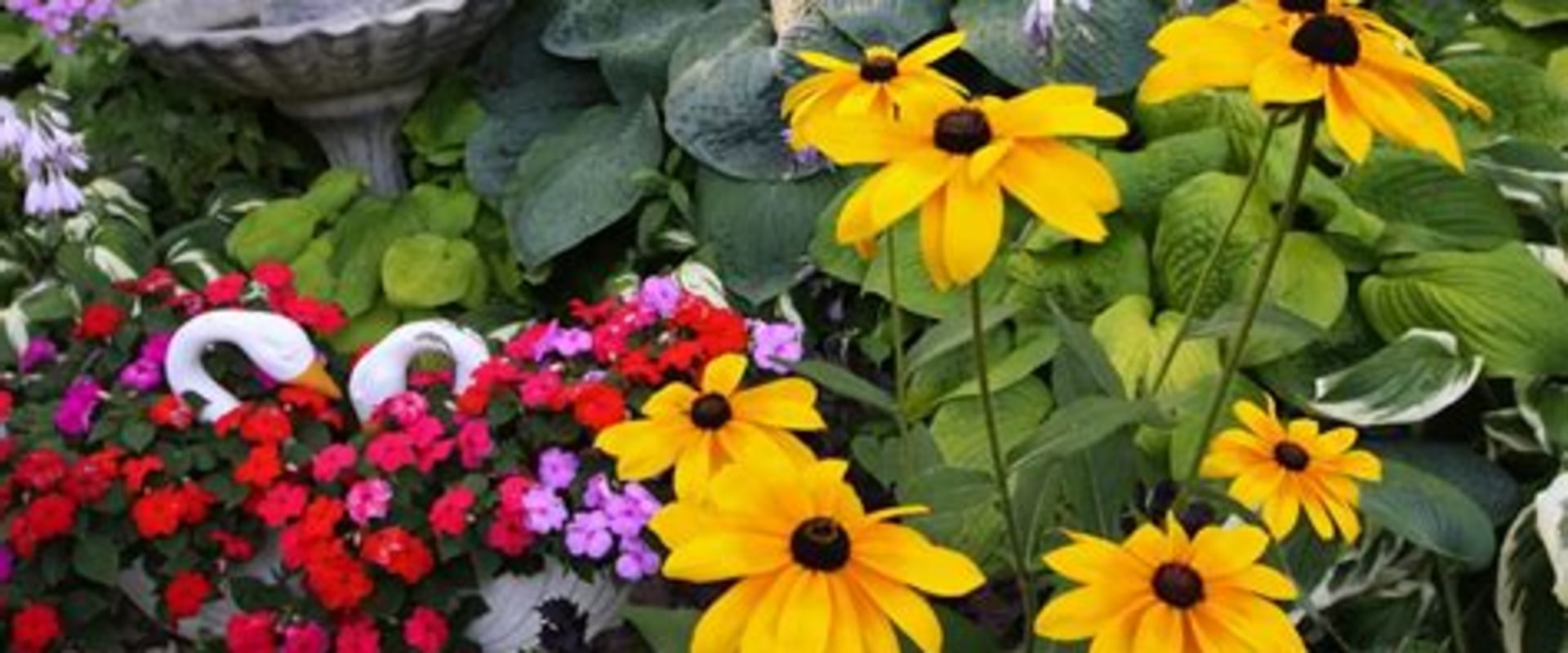
- Contrast and Harmony: Use contrasting colours to create visual interest. For example, vibrant reds and yellows can stand out against lush greens, while softer pastels can provide a calming effect.
Texture
- Layering Textures: Incorporate plants with varying leaf shapes and sizes to add depth. Combine fine-textured plants like ferns with bold-leaved varieties such as hostas to create a rich tapestry.
- Seasonal Changes: Consider how textures change with the seasons. Grasses may sway gracefully in the wind during summer, while deciduous trees reveal their intricate branches in winter.
Form
- Structural Elements: Use seasonal plants to define spaces within your garden.
Tall plants can serve as vertical accents, while low-growing varieties can create ground cover or borders.
- Movement and Flow: Arrange plants in a way that guides the eye through the landscape. Curved lines created by planting beds or pathways can enhance the sense of movement.
Creating Seasonal Displays: Ideas and Inspiration
Creating seasonal displays in your garden can transform your outdoor space into a vibrant and inviting area throughout the year. By carefully selecting plants that bloom or showcase their foliage in different seasons, you can ensure that your landscape remains dynamic and visually appealing.Spring Awakening
As winter fades, consider incorporating early bloomers such as crocuses, daffodils, and tulips.These cheerful flowers can be planted in clusters for a stunning effect. Pair them with evergreen shrubs to provide structure and contrast against the bright colours of spring.
Summer Splendour
In the summer months, opt for a mix of annuals and perennials. Plants like geraniums, petunias, and lavender not only add colour but also attract pollinators. Consider creating a themed border, such as a butterfly garden, by including plants like coneflowers and milkweed.Autumnal Hues
As the leaves begin to change, embrace the rich colours of autumn with plants like chrysanthemums, ornamental grasses, and Asters.These plants can provide a stunning display of reds, oranges, and yellows. Incorporating pumpkins or gourds can also add a festive touch to your landscape.
Winter Interest
Even in winter, your garden can shine with the right selection of plants. Consider using winterberry holly, which provides bright red berries against bare branches, or snowdrops, which can bloom even through the snow. Adding structural elements like evergreen topiaries or decorative planters can enhance the winter landscape.Tips for Seasonal Displays:
- Layering: Use plants of varying heights to create depth.
- Colour Schemes: Choose a cohesive colour palette for each season.
- Diversity: Mix different types of plants to ensure continuous interest.
- Sustainability: Opt for native plants that require less maintenance and support local wildlife.
Maintenance Tips for Seasonal Plantings
Maintaining seasonal plants is crucial for ensuring they thrive and contribute to the overall beauty of your garden and landscaping.Here are some essential tips to keep your seasonal plantings healthy and vibrant throughout the year.
- Regular Watering: Seasonal plants often require consistent moisture, especially during dry spells. Aim to water deeply but infrequently, allowing the soil to dry out slightly between watering sessions. This encourages deep root growth.
- Fertilisation: Use a balanced fertiliser during the growing season to provide essential nutrients. Consider organic options like compost or well-rotted manure, which improve soil health while feeding your plants.
- Pruning: Regularly prune dead or diseased foliage to promote air circulation and prevent pests.
For flowering plants, deadheading spent blooms encourages further flowering and keeps the plant looking tidy.
- Pest Management: Keep an eye out for common pests such as aphids or slugs. Use natural remedies like neem oil or introduce beneficial insects like ladybirds to help control pest populations without harming your plants.
- Mulching: Apply a layer of organic mulch around your seasonal plants. This helps retain moisture, suppress weeds, and regulate soil temperature, creating a more stable environment for your plants.
- Seasonal Adjustments: As seasons change, so do the needs of your plants. In autumn, prepare for winter by cutting back perennials and adding protective layers of mulch.
In spring, ensure that any frost-sensitive plants are protected until the risk of frost has passed.
Common Mistakes to Avoid When Using Seasonal Plants
Incorporating seasonal plants into your landscape design can transform your garden, but there are several common mistakes that can hinder your efforts. Understanding these pitfalls is essential for creating a vibrant and cohesive outdoor space.1.Ignoring Plant Compatibility One of the most significant errors is failing to consider the compatibility of seasonal plants with existing flora. Not all plants thrive together; some may compete for nutrients or space, leading to poor growth. Always research the growth habits and requirements of your chosen plants to ensure they can coexist harmoniously.2.Overlooking Seasonal Timing Another frequent mistake is planting seasonal flowers or foliage at the wrong time.Each plant has its own ideal planting window, and missing this can result in a lacklustre display. For instance, spring bulbs should be planted in autumn, while summer annuals need to go in after the last frost. Keep a gardening calendar handy to avoid this error.3.Neglecting Maintenance Needs Seasonal plants often require specific care routines, including watering, pruning, and fertilising. A common oversight is underestimating the maintenance these plants need throughout their growing season.
Create a care schedule that aligns with the needs of your seasonal selections to keep them healthy and vibrant.4.Failing to Plan for Transition A well-designed landscape should have a seamless transition between seasons. Many gardeners make the mistake of focusing solely on one season without considering how their garden will look as plants die back or change. Incorporate a mix of evergreen plants and perennials that provide structure and interest year-round.5.Choosing Inappropriate Varieties Selecting seasonal plants that are not suited to your local climate can lead to disappointment. Always choose varieties that are known to thrive in your region's conditions, including soil type, sunlight exposure, and moisture levels. By avoiding these common mistakes, you can successfully incorporate seasonal plants into your landscape design, ensuring a beautiful and dynamic garden throughout the year.
FAQs About Incorporating Seasonal Plants in Landscape Design
Incorporating seasonal plants into your landscape design can be a rewarding endeavour, but it often raises several questions.Here are some frequently asked questions that can help guide your gardening journey.
What are seasonal plants?
Seasonal plants are those that thrive during specific times of the year. They can be classified into two main categories: annuals, which complete their life cycle in one growing season, and perennials, which return year after year but may have specific blooming periods.How do I choose the right seasonal plants for my garden?
When selecting seasonal plants, consider the following factors:- Climate: Understand your local climate and choose plants that are well-suited to your region.
- Soil type: Test your soil to determine its pH and nutrient levels, which will influence plant health.
- Sunlight: Assess how much sunlight different areas of your garden receive throughout the day.
- Aesthetic goals: Think about the colours and textures you want to achieve in your landscape design.
Can I mix seasonal plants with perennials?
Absolutely! Mixing seasonal plants with perennials can create a dynamic and visually appealing landscape. Seasonal plants can fill in gaps during off-seasons for perennials, ensuring that your garden remains vibrant throughout the year.How often should I change my seasonal plants?
The frequency of changing seasonal plants depends on the type of plants you choose. Annuals typically need to be replaced every year, while perennials will only need to be replaced if they become unhealthy or overcrowded.Regularly assessing your garden's health will help you determine when it's time for a change.
What are some popular seasonal plants for UK gardens?
Some popular choices include:- Pansies: Great for spring and autumn displays.
- Dahlias: Perfect for summer blooms.
- Asters: Ideal for late summer and autumn colour.
- Crocuses: One of the first flowers to bloom in spring.